

In the U.S., no body paint color is illegal; lighting colors are regulated.
Drivers often ask what color is illegal to use on cars because rules feel confusing. I’ve spent years advising owners, shops, and fleets on this exact issue.
This guide explains what’s actually banned, what’s allowed, and how to pass inspection without stress. Stick with me, and you’ll know exactly how color laws work on real roads.
What the law actually regulates on your car?
The paint on your car is not the focus of the law. The key rules target lighting, window tint, lenses, license plates, and markings. Federal lighting standards set the base. State laws add more limits on colors and brightness.
Many drivers ask what color is illegal to use on cars. The short answer is that the law polices the colors you display, not your paint.
When people search what color is illegal to use on cars, they often mean light color, tint color, or anything that makes a car look like an emergency vehicle.
Here is the simple breakdown:
- Body paint color is generally legal. Finish and wrap styles are not restricted.
- Light colors are controlled by federal and state rules.
- Tint colors and reflectivity are limited in many states.
- Plates and covers must stay readable and not change color.
- Police-style markings and emergency colors are restricted.
From my experience, tickets almost always involve lights, tints, or covers, not paint.
Illegal colors for vehicle lighting and underglow
Lighting is where most people get into trouble. Federal standards require white headlights, red brake lights, white reverse lights, and amber or red turn signals depending on position. States then restrict special colors that signal authority.
What color is illegal to use on cars often means these lighting bans:
- Blue lights: Reserved for police in most states. Avoid blue light output anywhere.
- Red lights facing forward: Commonly restricted to emergency vehicles.
- Flashing or oscillating lights: Restricted unless you are authorized.
- Green lights: Often reserved for command or volunteer responders in some states.
- Purple lights: Often limited to funeral escorts or special uses.
About underglow:
- Many states allow underglow if the tubes are hidden and the lights do not flash.
- Do not show red to the front or blue anywhere.
- Keep intensity low and avoid distraction.
- Some states ban all underglow on roads.
If you wonder what color is illegal to use on cars at night, think emergency hues. Anything that looks like police, fire, or EMS can risk a stop.

Window tint colors and reflectivity rules
VLT (visible light transmission) limits change by state. But color bans are common. Many states ban red, amber, or blue tints on front windows. Mirror-like reflective films are often restricted too.
What color is illegal to use on cars for tint? In many places:
- Red and amber films on front windows are not allowed.
- Blue or any tint that looks like emergency color is restricted.
- Highly reflective or mirrored tints can be illegal above set limits.
- Windshield tint is limited to a small top strip in most states.
I have seen cars fail inspection due to colored tints even when the VLT was legal. Check both the darkness and the color.

Headlights, taillights, and lens films: what colors are allowed
Your lights must emit the correct colors. This is set by federal rules and tested by state inspections. Headlights must be white.
Front turn signals must be amber. Rear stop lamps must be red. Reverse lamps must be white. Side markers are amber in front and red in back.
Watch out for:
- Blue, green, or purple headlight bulbs or films. These are illegal on public roads.
- Smoked covers that cut too much light. Many states ban them.
- RGB halos or strips on the road. Keep them off while driving.
- Yellow fog lamps can be legal if they meet standards. Headlamps must stay white.
When people ask what color is illegal to use on cars, blue headlights are the classic trap. They can look cool online but bring tickets in real life.
Body paint and police impersonation concerns
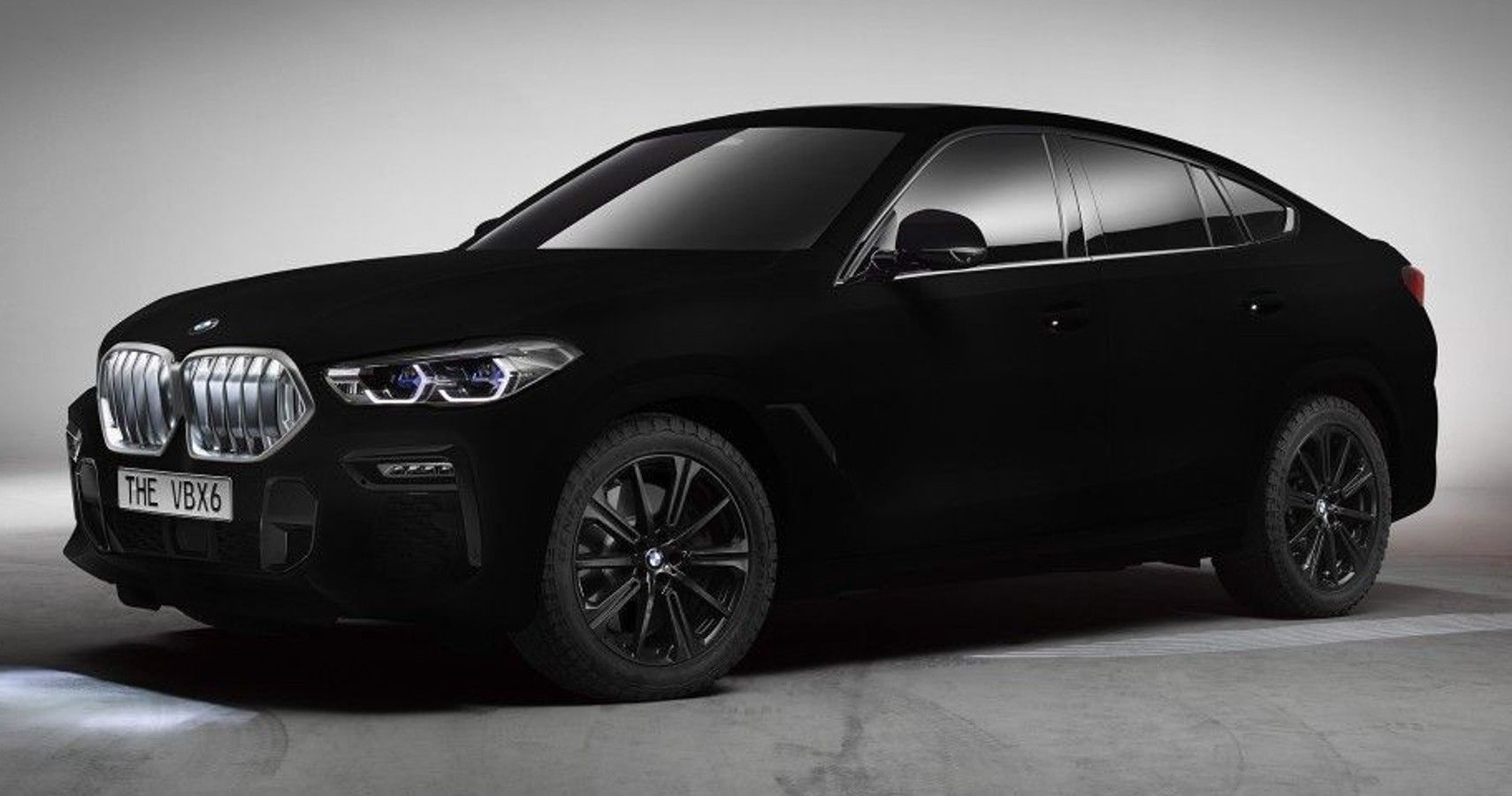
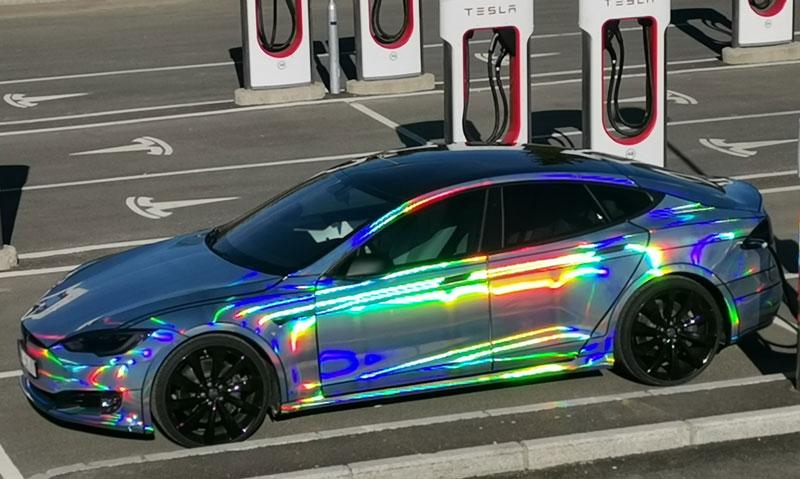
You can paint your car any color. Matte black, neon pink, chrome wrap, or color-shift pearl are all fine. Laws focus on the signals your car sends, not the shade of your paint.
That said, there are limits tied to impersonation:
- Do not add police markings, badges, or wording.
- Avoid push bars, rooftop spotlights, or light bars that look official.
- Some states restrict paint schemes that closely mimic patrol vehicles.
I once worked with a movie car owner who kept getting stopped. The fix was easy. We removed the door shields and covered the light bar in transit.
The color was not the issue. The look was. If you wonder what color is illegal to use on cars for paint, the practical answer is none. The problem is looking like law enforcement.
Plates, covers, wraps, and reflective materials
Plates must be clear and readable. Covers that tint, reflect, or color-shift the plate are illegal in many states. So are sprays that claim to “hide” your plate from cameras.
Avoid these:
- Smoked or colored plate covers.
- Reflective or prismatic frames that alter plate color.
- Wraps that cover plate characters.
- Any device that obscures the plate from an angle.
These items trigger stops fast. They also often lead to extra inspection of your lights and tint.
If you are thinking about what color is illegal to use on cars for plates, the answer is any cover that changes how the plate looks.
How to check your state law and stay safe?
Rules vary by state. City ordinances can add more. Always verify before you buy bulbs, tint, or underglow.
Use this simple plan:
- Check your state vehicle code for lighting, tint, and plates.
- Search inspection guides on your DMV or state police site.
- Look for references to federal lighting rules (FMVSS No. 108).
- Ask a local inspection station before you wrap or tint.
- Keep receipts for DOT or SAE-compliant parts.
When friends ask me what color is illegal to use on cars, I say this: match OEM light colors, avoid emergency hues, and skip colored tints.
If you still plan custom lighting, confirm laws first. What color is illegal to use on cars can shift by state, but emergency colors are the common red line.
Frequently Asked Questions of what color is illegal to use on cars
Is any car paint color illegal in the U.S.?
No. You can use any body paint color. Laws focus on lighting, tint, plates, and markings that mimic emergency vehicles.
Are blue headlights illegal?
Yes, in most states. Headlights must be white under federal rules, with fog lamps sometimes allowed in selective yellow.
Can I use red underglow?
Often no if it is visible from the front, and never if it flashes. Many states also restrict blue anywhere on a civilian car.
What tint colors are illegal?
Many states ban red, amber, and blue tints on front windows. Highly reflective mirror tints are often restricted as well.
Are green lights allowed on a personal car?
Usually no. Green is restricted in many states to command or volunteer responders, and use can lead to a stop.
Is a black-and-white paint job illegal?
Not by color alone. But adding badges, “POLICE,” or a light bar can be treated as impersonation.
Conclusion
Color rules are simple when you strip out myths. The law does not ban paint colors, but it does control light colors, tint colors, and any look that suggests emergency authority.
If you match OEM light colors and keep plates clear, you will avoid most problems. Make one smart move today.
Check your state rules before you buy bulbs, tint, or underglow. Want more guides like this? Subscribe, share your questions, or leave a comment with your state and setup.