

A 150cc dirt bike typically reaches 45–65 mph, depending on setup and terrain.
If you want the full picture on how fast is a 150cc dirt bike, you are in the right place. I test and tune small-displacement bikes for trail and track use.
I will break down real speeds, what affects them, and how to measure them right. You will see expert tips and clear answers backed by data and real rides.

The real-world speed of a 150cc dirt bike
Most riders ask how fast is a 150cc dirt bike because the numbers vary. In stock trim, most trail-focused 150s top out around 45–55 mph. Race-tuned or dual-sport 150s can touch 55–65 mph on flat ground. Wind, altitude, and rider weight shift these numbers.
I have clocked beginner-friendly 150s near 50 mph by GPS. A race-bred mini 150 has pushed past 60 mph with room left in the revs. But gearing and terrain change the result fast. A sandy wash can drop top speed by 10 mph or more.

Factors that change top speed
Many moving parts shape how fast is a 150cc dirt bike in practice. Focus on these areas:
- Engine tune and type Carb settings, ECU maps, and compression shape power.
- Gearing Final drive ratios decide speed vs snap off the line.
- Bike weight and rider weight Heavier mass slows acceleration and top speed.
- Terrain and surface Sand and mud add rolling resistance and drag.
- Altitude and air density Thin air reduces oxygen and engine output.
- Tires and pressure Aggressive knobs roll slower than hybrid or dual-sport tires.
- Aerodynamics Rider posture and gear add drag at higher speeds.
- Maintenance Fresh air filter, valves in spec, and clean chain preserve speed.
When riders ask how fast is a 150cc dirt bike, these factors explain big gaps. Two “same” bikes can differ by 10–15 mph based on setup alone.
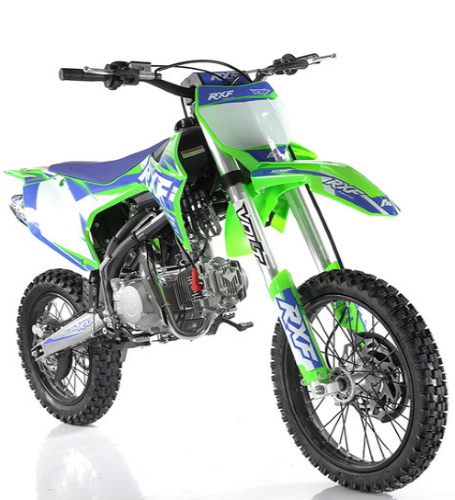
Speed by bike type and real examples
Not all 150s aim for the same goal. Here is how designs differ:
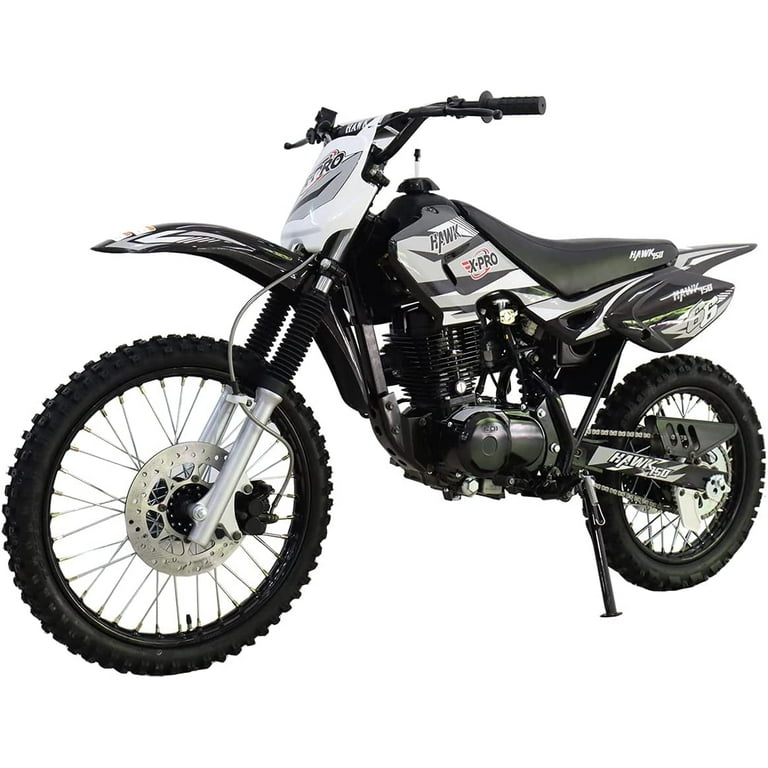
- Trail 150 (air-cooled four-stroke) Think play bikes and farm-friendly models. Expect 45–55 mph stock. They use mild cams and soft gearing for easy control.
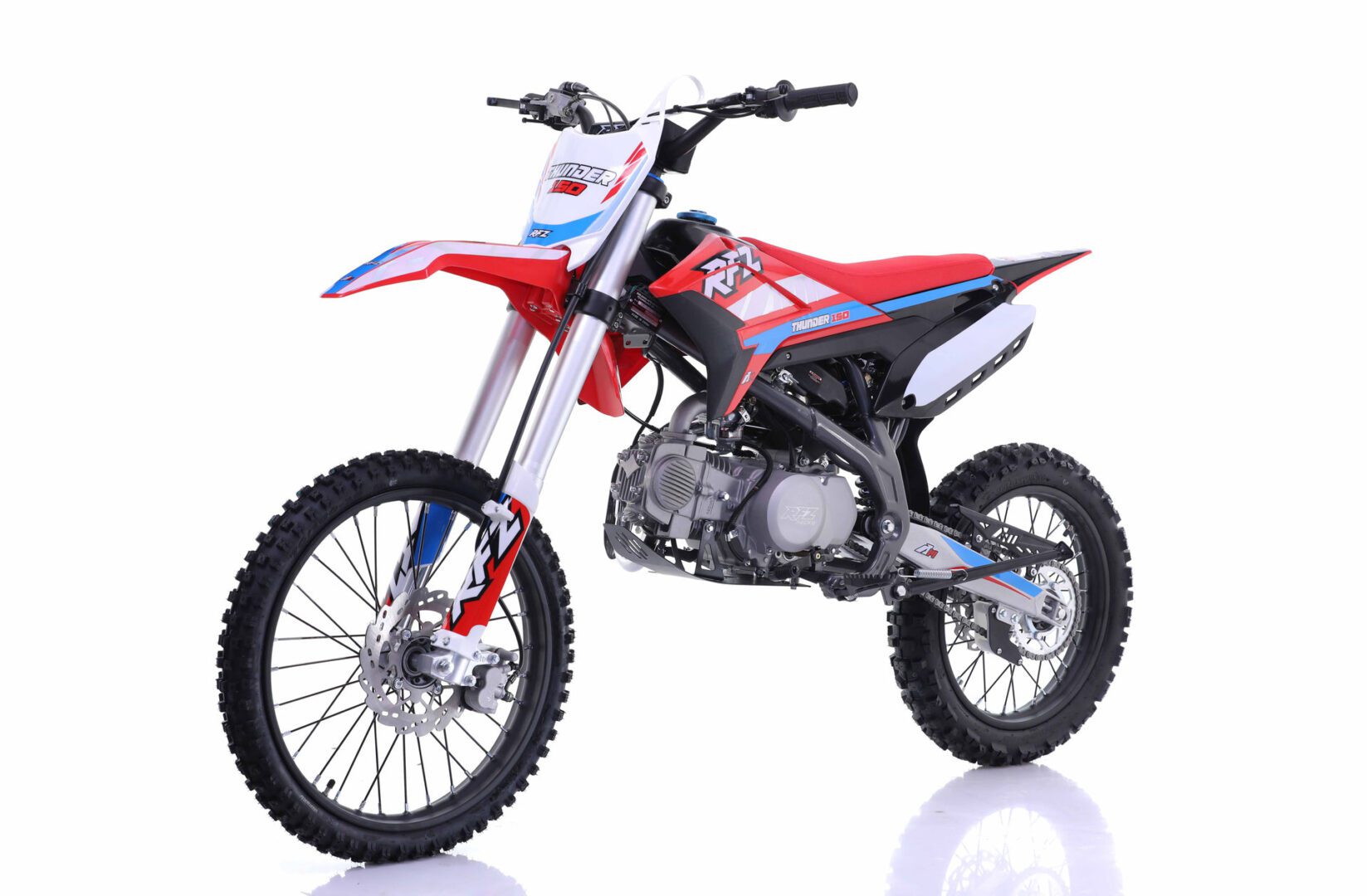
- Mini motocross 150 (high-compression four-stroke) These rev fast and hit hard. You may see 55–65 mph, limited by gearing for short tracks.
- Lightweight enduro 150 (often two-stroke) These can stretch to 60+ mph with tall gearing. They favor strong midrange for woods and climbs.
- Dual-sport 150 (street-legal) They run taller gearing and smoother tires. Many hold 55–60 mph on roads and may touch 65 mph on a long straight.
From my logs, a mellow trail 150 with knobby tires held 50 mph on packed dirt. A race 150 with shorter gearing topped near 60 mph but got there fast.
A dual-sport 150 with a small windscreen touched 64 mph indicated, about 61 mph true GPS. These show why how fast is a 150cc dirt bike depends on form and purpose.
Acceleration, horsepower, and gearing explained
Top speed is only part of the story. Power and gearing shape how a 150 rides.
- Horsepower Trail 150s often make around 11–14 hp at the crank. Race mini 150s can reach the low 20s. Dual-sport 150s sit near 12–14 hp.
- Acceleration A race 150 can shoot from 0–30 mph in about 3–4 seconds. Trail 150s take closer to 5–6 seconds, but feel smoother.
- Gearing Shorter gearing boosts snap and hill climbs. Taller gearing boosts top speed at the cost of low-end punch.
If you wonder how fast is a 150cc dirt bike off the line, check the sprockets. One or two teeth change the feel a lot. I swap rear sprockets to fit local trails and hold speed when needed.
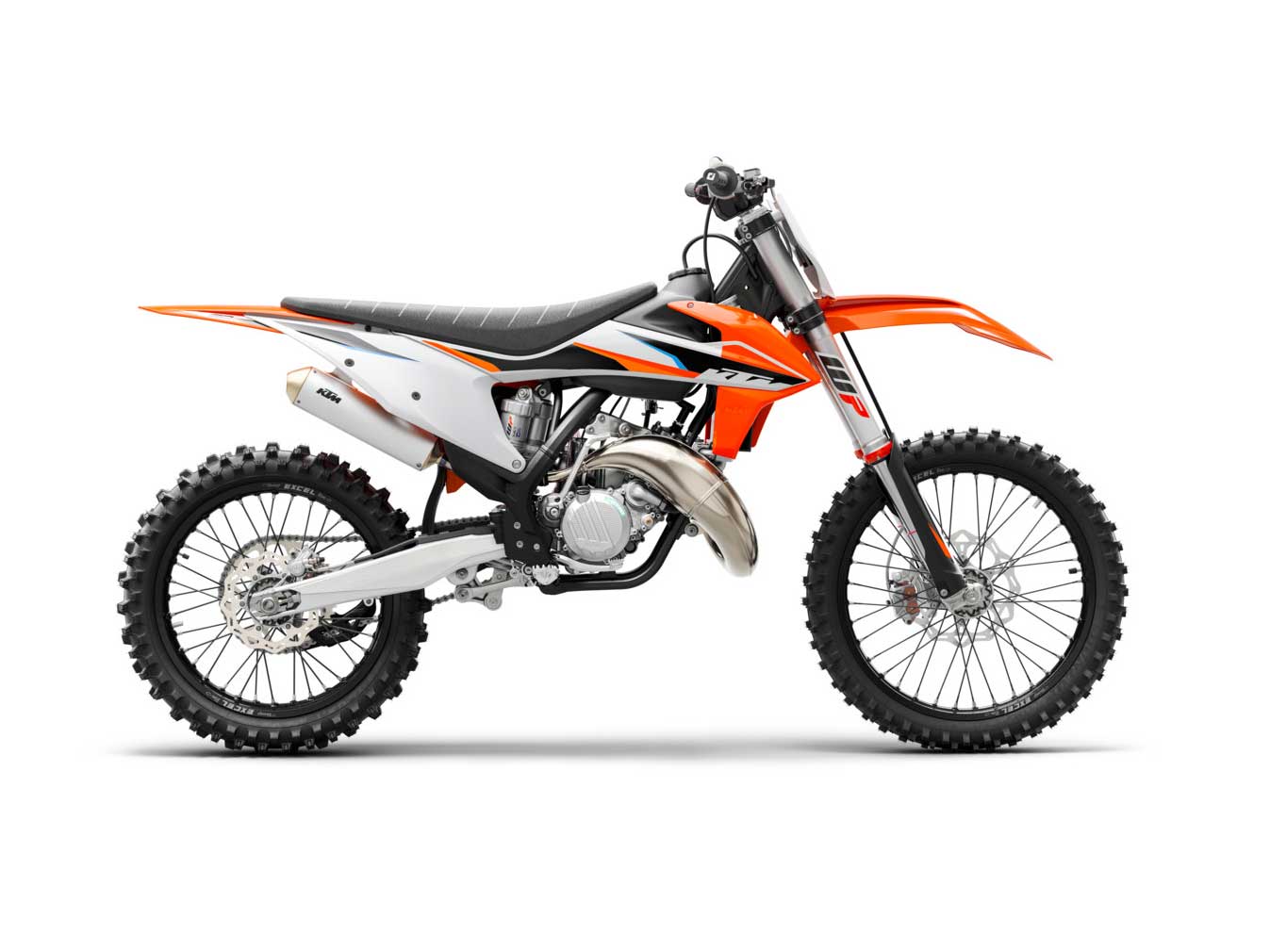
How to measure top speed the right way
Speed claims can be off by a lot. Many stock speedos read high.
- Use GPS A dedicated GPS or a phone app gives better accuracy.
- Make two runs Do both directions to cancel wind or slope.
- Record conditions Note rider weight, tire type, and surface.
- Check RPM Confirm you are near peak power, not just bouncing the limiter.
- Keep it safe Choose a long, clear, legal stretch with spotters.
When you ask how fast is a 150cc dirt bike, testing matters. My GPS logs often read 3–5 mph lower than the bike’s speedo at high speed.
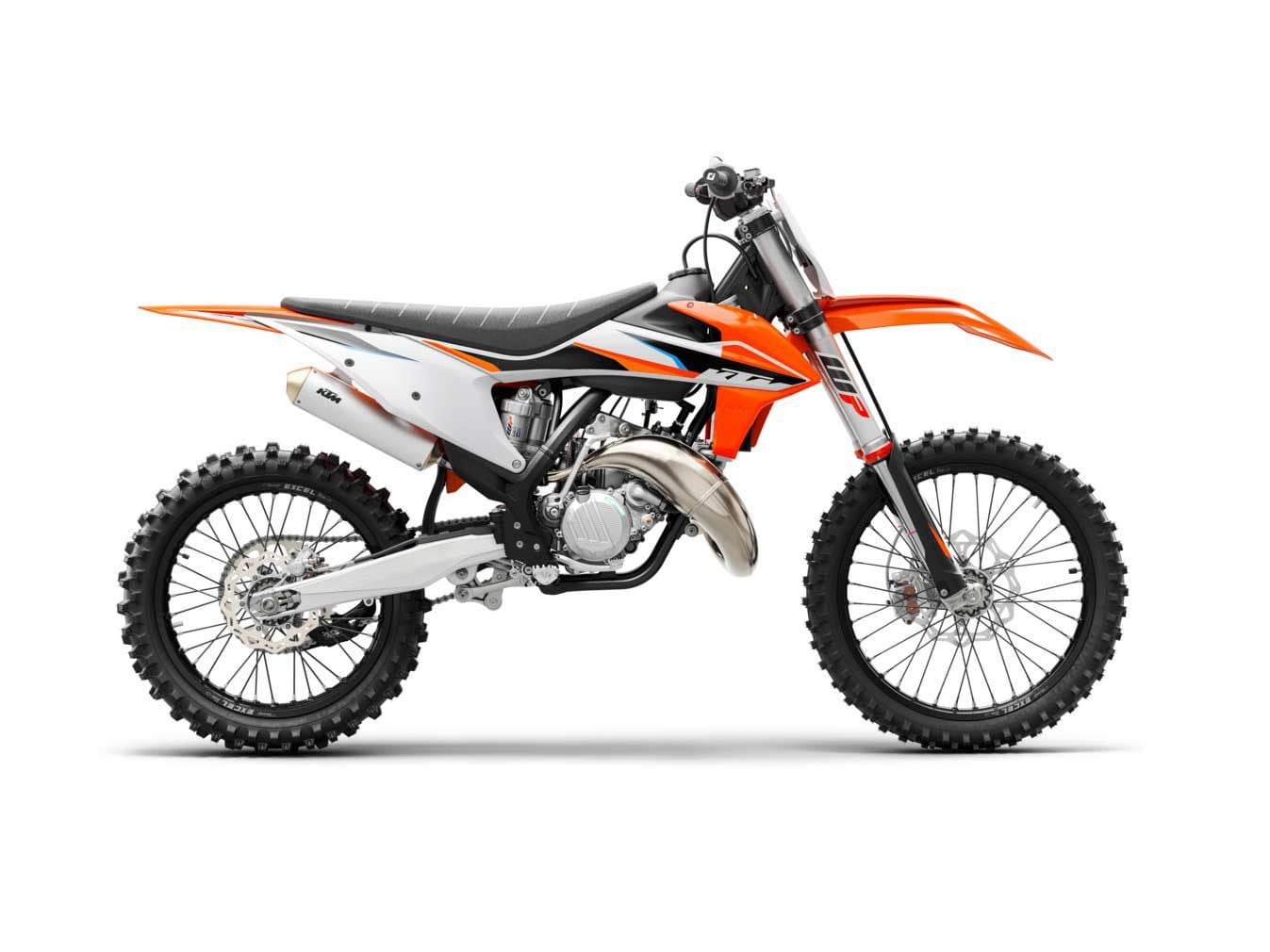
Safe ways to make a 150cc dirt bike faster
You can gain speed without wrecking reliability. Start small and test often.
- Sprocket changes Go one tooth up on the front or two down on the rear for more top speed.
- Carb jetting or fuel mapping Tune for clean throttle and strong midrange.
- Intake and exhaust Use quality parts and avoid loud, empty cans.
- Tire choice A hybrid or dual-sport tire can roll faster on hardpack.
- Reduce drag Tuck in, secure loose gear, and keep a low profile.
- Maintenance Keep the chain clean, air filter fresh, and valves in spec.
How fast is a 150cc dirt bike after mods? Modest changes often add 3–7 mph. Big gains need engine work, which raises cost and risk.
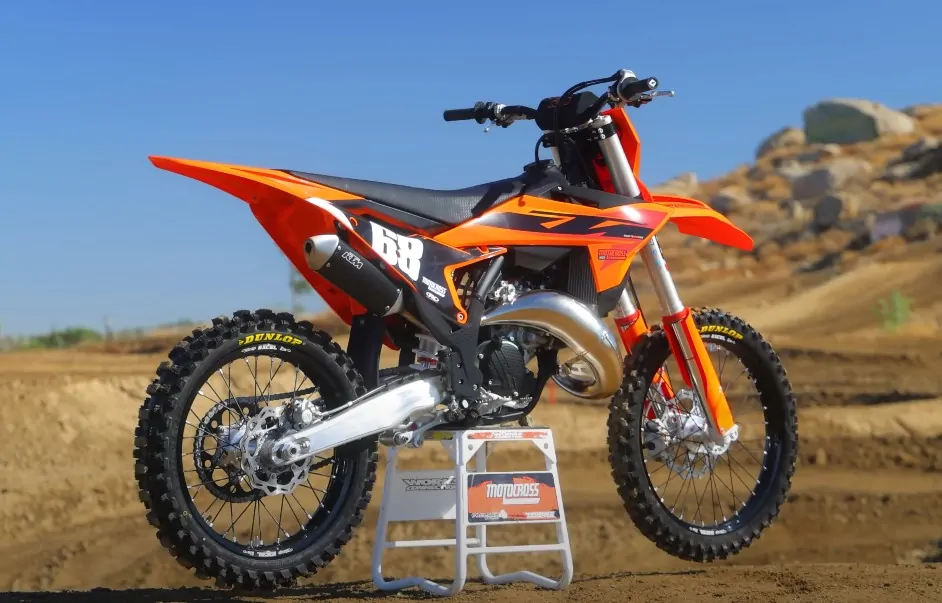
150cc vs 125cc vs 250cc
It helps to compare classes to set expectations.
- 125cc Two-stroke MX bikes can be very quick. They may match or beat a mild 150 four-stroke in speed.
- 150cc Balanced and friendly. Solid top speed for trails and back roads.
- 250cc Much stronger torque and higher speed. Often 70+ mph with the right gearing.
If your main question is how fast is a 150cc dirt bike on open space, a 250 will outrun it. But many riders prefer the lighter feel and control of a 150 in tight terrain.
Safety and control at higher speeds
Speed is fun, but control wins days.
- Gear Wear a DOT helmet, eye protection, gloves, and body armor.
- Brakes Use fresh fluid, good pads, and clean rotors.
- Suspension Set sag and clickers for your weight and terrain.
- Tires Match compound and pattern to your surface.
- Plan your stop Know your braking distance on dirt and pavement.
I have seen riders chase how fast is a 150cc dirt bike and ignore control. A stable setup lets you use speed, not fear it.
Who should choose a 150cc dirt bike?
A 150cc suits many riders and places.
- Newer riders You get enough power without harsh hits.
- Smaller adults or teens Manageable seat height and lighter weight.
- Tight trails and woods Strong low to mid power and nimble feel.
- Farm or back-road use Reliable, simple, and fuel efficient.
If you ask how fast is a 150cc dirt bike for highway use, it is not ideal. It can touch 55–60 mph, but crosswinds and traffic make it tiring.
Maintenance tips for peak speed and life
Small bikes love care and reward it.
- Air filter Clean or replace often, especially after dust.
- Oil and filter Change per manual, sooner in heavy use.
- Chain Lube and adjust slack before each ride.
- Valves Check clearances on schedule for crisp power.
- Fuel system Keep jets or injectors clean and use fresh fuel.
Regular care keeps speeds steady. It also answers how fast is a 150cc dirt bike after a season. A well-kept 150 pulls like new and holds its top end.
Frequently Asked Questions of how fast is a 150cc dirt bike
What is the average top speed of a 150cc dirt bike?
Most 150cc dirt bikes run 45–60 mph in stock trim. Some race or dual-sport models can reach about 65 mph.
Can a 150cc dirt bike go on the highway?
It can reach highway speeds for short bursts, but it is not ideal. Stability, brakes, and wind make long highway rides unsafe.
How does rider weight affect top speed?
Heavier riders see slower acceleration and a few mph less top speed. Gearing changes can help recover some speed.
Will changing sprockets increase top speed?
Yes, taller gearing can add several mph. You trade away low-end punch and hill-climb snap.
How accurate are stock speedometers on dirt bikes?
They often read high by 3–10 percent at higher speeds. Use GPS for a reliable top-speed number.
Do knobby tires reduce top speed?
Yes, aggressive knobs increase rolling resistance. Hybrid or dual-sport tires can add a few mph on hard surfaces.
Conclusion
A clear answer to how fast is a 150cc dirt bike is 45–65 mph, with most trail bikes near the low to mid range and race or dual-sport builds at the high end. Terrain, gearing, tune, and rider weight shape the final number. Smart testing and simple mods can add safe, useful speed.
If speed matters, start with a baseline GPS run, then tune gearing and basics. Ride safe, track your results, and dial the bike to your goals. Want more tips and tested setups? Subscribe for updates or drop your questions in the comments.