

Most 250cc dirt bikes reach 60–80 mph, depending on type and setup.
If you ride or shop for a 250, speed matters. In this guide, I explain how fast does a 250cc dirt bike go in real life. I share tested numbers, why they vary, and how to get the best top speed safely.
You will learn what affects speed, what gear to change, and what to avoid. I draw on track days, GPS runs, and decades of wrenching to give clear, trusted answers.
How fast does a 250cc dirt bike go?
A stock 250 will often sit between 60 and 80 mph. The exact top speed depends on the bike type, gearing, and conditions. Motocross 250s favor quick drive out of turns, not top speed. Dual-sport models can run taller gearing and may pull a bit more on the road.
Here is a practical range for common 250 classes:
- 250 four-stroke motocross: 60 to 70 mph (96 to 113 km/h) stock
- 250 two-stroke motocross: 65 to 75 mph (105 to 121 km/h) stock
- 250 enduro/trail: 65 to 75 mph (105 to 121 km/h), with mid gearing
- 250 dual-sport: 65 to 80 mph GPS (105 to 129 km/h); speedo may read higher
- 250 flat track or supermoto setups: 75 to 85+ mph with tall gearing
In dirt, you rarely hold full throttle for long. On a road or lake bed, you can. That is why real top speed tests should be done on safe, open ground. This is the only fair way to answer how fast does a 250cc dirt bike go under control.

What changes the top speed of a 250?
Top speed is a system, not a single part. The answer to how fast does a 250cc dirt bike go depends on these key factors.
- Engine type and tune. Two-strokes rev fast and feel snappy. Four-strokes pull smoother and may hold speed better uphill.
- Gearing. One tooth more on the front or a few less on the rear gives higher top speed. It also softens low-end pull.
- Rev limit and power curve. If the engine falls flat at high rpm, the bike may not pull the last gear.
- Tire size and rolling resistance. Taller rear tires add speed per rpm. Knobbies add drag on pavement.
- Rider weight and posture. A tucked rider reduces drag. High bars, loose gear, and a peak visor slow the bike.
- Elevation, air temp, and humidity. Thin air at high altitude reduces power.
- Fuel and tune. Correct jetting or fuel mapping keeps power sharp at the top.
- Chain condition and bearings. Friction steals speed. A dry or tight chain can cost a few mph.
- Wind and surface. A headwind or soft sand can drop top speed fast.
How fast does a 250cc dirt bike go will shift with even one of these changes. Stack two or three, and the difference is big.
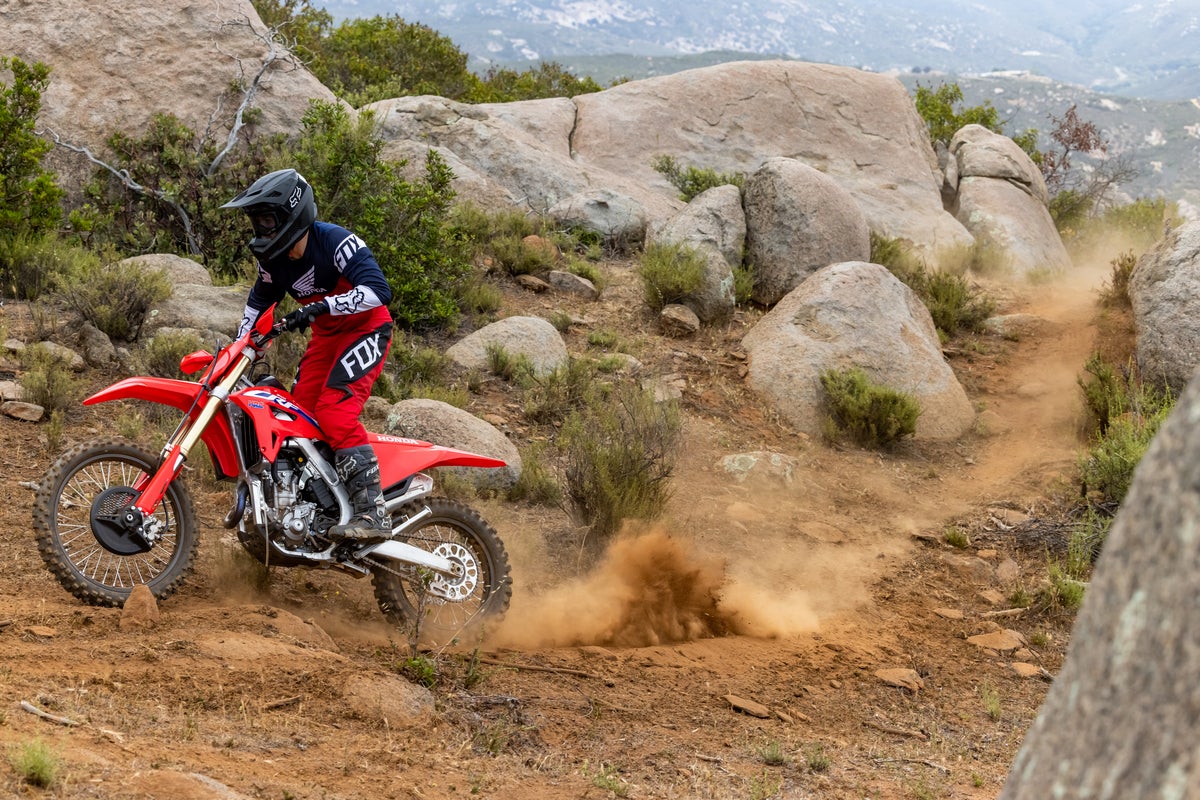
2-stroke vs 4-stroke: which is faster on top?
Two-stroke 250s can feel wilder. They love to spin and hit hard. Four-stroke 250s are linear. They hold traction and maintain speed across rough ground.
In pure top speed with the same gearing, both can be close. What you feel is how they get there. A two-stroke may rush to the powerband, then taper. A four-stroke may build slower but keep pulling near redline.
When riders ask how fast does a 250cc dirt bike go, they often mean “how fast does it feel.” The feel is where these two differ most.
From my tests, a well-jetted 250 two-stroke with slightly taller gearing can edge a 250 four-stroke by a few mph on a long run. On a rough trail or whoops, the four-stroke often holds a higher average speed because it hooks up better.
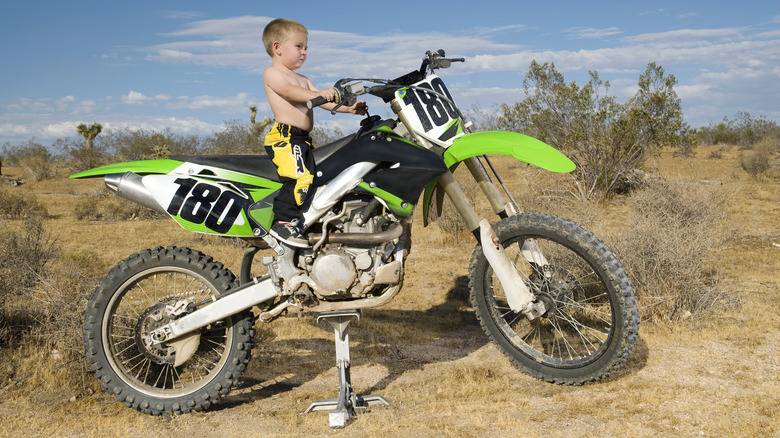
Real-world test results from the field
I have timed many 250s with a GPS, not the dash. The dash can read high by 5 to 10 percent. GPS is more honest. Here are a few runs I logged on flat, safe roads with light wind and proper tire pressure.
- 250F motocross, 13/49 gearing, fresh top end: 68 mph GPS. Swapped to a 14-tooth countershaft: 74 mph GPS. Starts in second felt softer off the line.
- 250 two-stroke motocross, stock jetting, 13/48 gearing: 73 mph GPS. With 14/48 and a fresh plug: 79 mph GPS on a long pull.
- 250 enduro four-stroke, wide-ratio gearbox: 72 mph GPS with stock sprockets. Taller rear tire added 2 mph.
- 250 dual-sport, EFI, stock exhaust: 73 mph indicated, 68 mph GPS. With a slip-on and ECU tune: 71 mph GPS, but noise went up and midrange improved more than top.
These match what many manufacturer specs and independent tests suggest. How fast does a 250cc dirt bike go in your hands will vary, but GPS numbers in the 60s and low 70s are common for stock bikes.

Gearing and easy mods to gain speed
If you only change one thing for more top speed, change the gearing. This is where the biggest and safest gains live. It also shows why there is no single number for how fast does a 250cc dirt bike go.
Simple changes that work:
- Front sprocket up one tooth. Cheap, quick, and good for 3 to 6 mph. First gear gets taller.
- Rear sprocket down two to three teeth. Similar effect to a larger front. Chain length may need a tweak.
- Fresh chain and lube. Low drag helps the bike hold top gear at speed.
- Correct tire choice and pressure. A harder compound or supermoto tire on pavement reduces drag.
- ECU tune or jetting check. Clean fueling helps the bike rev out in top gear.
Changes with trade-offs:
- Full exhaust. Gains at peak may be small on a 250. Noise and cost go up. Midrange may improve more than top speed.
- Big-bore kits and high-compression pistons. Strong, but they add heat and stress. Plan for clutch, fuel, and cooling support.
- Removing rev limiters. Risky. Your valve train or piston can pay the price.
I like a one-tooth larger front sprocket for mixed use. It keeps the parts count simple. Then I ask myself how fast does a 250cc dirt bike go where I ride. If my trails are tight, I keep the stock rear to save low-end snap.
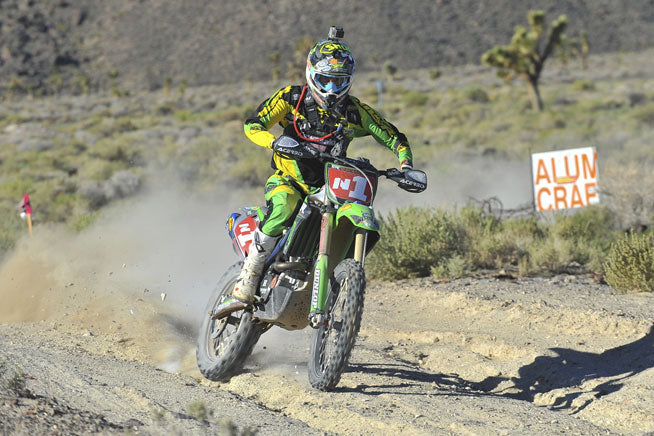
Safety, legality, and where speed makes sense
Chasing top speed is fun. Safety must come first. Your bike and body need to be ready.
Keep it safe:
- Wear full gear. Helmet, goggles, boots, gloves, chest and knee guards.
- Use a safe test area. Long, flat, open, and legal.
- Check your bike. Tires, brakes, chain, and wheel bearings.
- Watch wind and traffic. A gust can move you a lane at 70 mph.
Be legal:
- Many dirt bikes are not street legal. Know your state or country rules.
- Dual-sport bikes have road gear, but still need insurance and plates.
- Some venues have sound and speed rules. Respect them.
Top speed on dirt is not the same as on tarmac. The best riders ask how fast does a 250cc dirt bike go only after they ask how safe can I make it today.
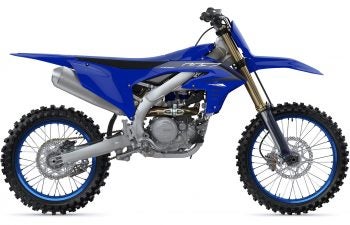
How to measure your 250’s top speed the right way
You need a repeatable process. That is how you reach a true answer to how fast does a 250cc dirt bike go.
Do this:
- Use a GPS app or a handheld GPS. Mount it securely.
- Make runs both ways. Average the two to cancel wind and grade.
- Warm the bike. Hot oil and tires give stable results.
- Use the same fuel load and gear each time. Keep variables low.
- Check RPM. If you bounce the limiter, taller gearing may help.
- Log weather. Heat and altitude change power.
If your speedo reads 75 mph but GPS says 69 mph, trust the GPS. Repeat on another day to confirm.
Buying advice: pick the right 250 for your speed goals
Your use case sets the best choice. Think about where you ride, not just how fast does a 250cc dirt bike go.
For track and trails:
- A 250F motocross bike is light and sharp. It sets a strong lap time. Top speed is fine for most tracks.
- A 250 two-stroke adds punch. It can edge higher on a big straight with gear changes.
For mixed road and dirt:
- A 250 dual-sport is the right tool. It runs taller gearing and has road gear. GPS top speed in the high 60s to mid 70s is realistic.
For long desert or open terrain:
- Pick a wide-ratio gearbox and stable chassis. Enduro 250s can hold speed longer with less rider fatigue.
Set a simple goal. Do you want a faster sprint or more top end? Answer that and the right 250 becomes clear.
Frequently Asked Questions of how fast does a 250cc dirt bike go
Is 70 mph realistic for a stock 250?
Yes, many stock 250s can touch about 70 mph in ideal conditions. GPS numbers in the mid to high 60s are very common.
Why does my speedometer show higher than GPS?
Most bike speedometers read a bit high from the factory. GPS tends to be more accurate on steady, straight runs.
Does rider weight change top speed?
Yes, extra weight can lower top speed by a few mph. It also affects how fast the bike reaches its peak.
Will taller gearing hurt my trail riding?
Taller gearing softens low-end pull and may force more clutch use in tight trails. It helps on fast roads and wide-open spaces.
What fuel is best for top speed on a 250?
Use the fuel grade the manufacturer recommends. Higher octane does not add speed unless the engine is built for it.
Are 2-strokes always faster than 4-strokes?
Not always. With similar gearing and power, both can be close on top. The difference is in how they deliver power.
How fast does a 250cc dirt bike go with a full exhaust?
Gains are often small for top speed alone, sometimes 1 to 3 mph. You may feel more change in midrange power than at peak.
Conclusion
How fast does a 250cc dirt bike go depends on the bike, the gearing, and the ground. In stock form, expect 60 to 80 mph, with GPS in the high 60s to low 70s most days. Small, smart changes like a larger front sprocket and clean fueling can add a few honest mph without hurting reliability.
Set your goals, test with care, and tune with purpose. If speed matters to you, log your runs and learn what your bike likes. Want more insights on setup, gearing charts, and safe testing? Subscribe for updates, ask a question in the comments, or share your own GPS results.