

Most oil leaks come from worn gaskets, failed seals, loose parts, or crankcase pressure.
If you have asked, why is my car leaking oil, you are not alone. I have diagnosed thousands of leaks, from tiny weeps to gushers.
This guide explains why is my car leaking oil, how to find the source, what it costs to fix, and how to prevent it. You will get clear steps, simple checks, and expert tips you can use today.
Why is my car leaking oil? Common signs and first checks
Spot the signs early. That helps you confirm the leak and limit damage.
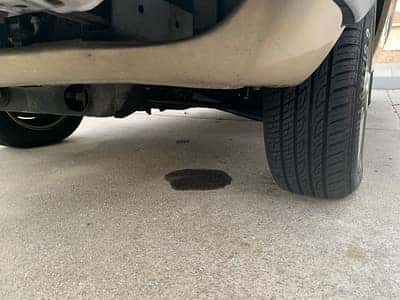
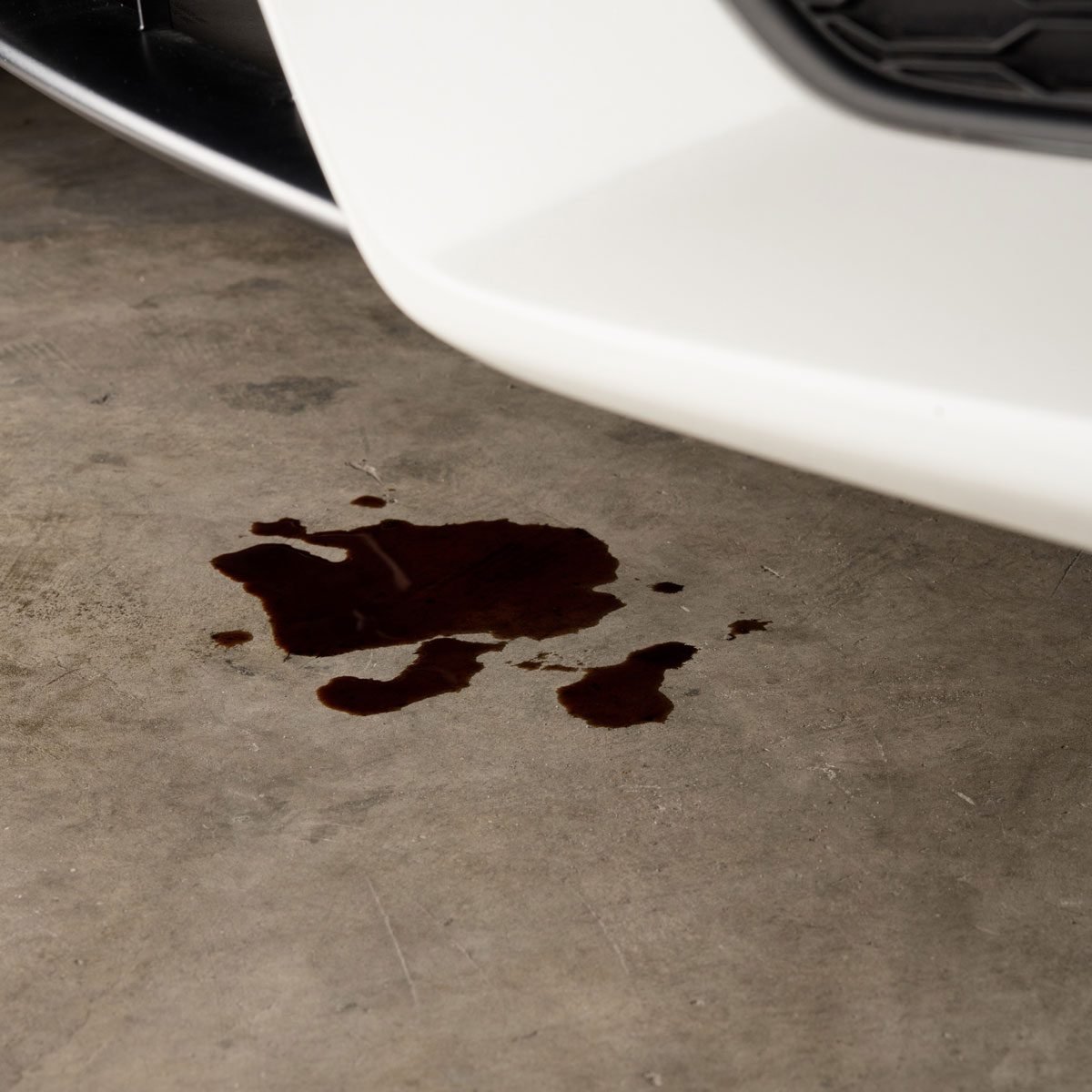
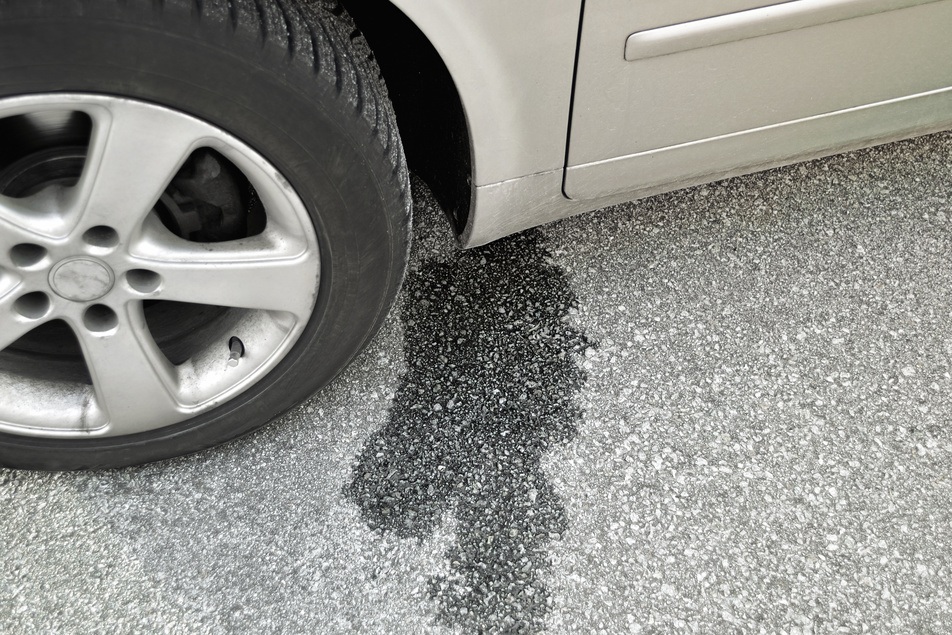
- Dark spots under the car after parking are a clear clue.
- A burning oil smell often means oil is hitting a hot exhaust.
- Smoke from the engine bay is urgent. Stop and check the level.
- Low oil on the dipstick or a flashing oil light means act now.
- Oil on plastic covers or belts can spread the mess.
Do a few quick checks before you drive far.
- Check the oil level and top up to the correct mark if needed.
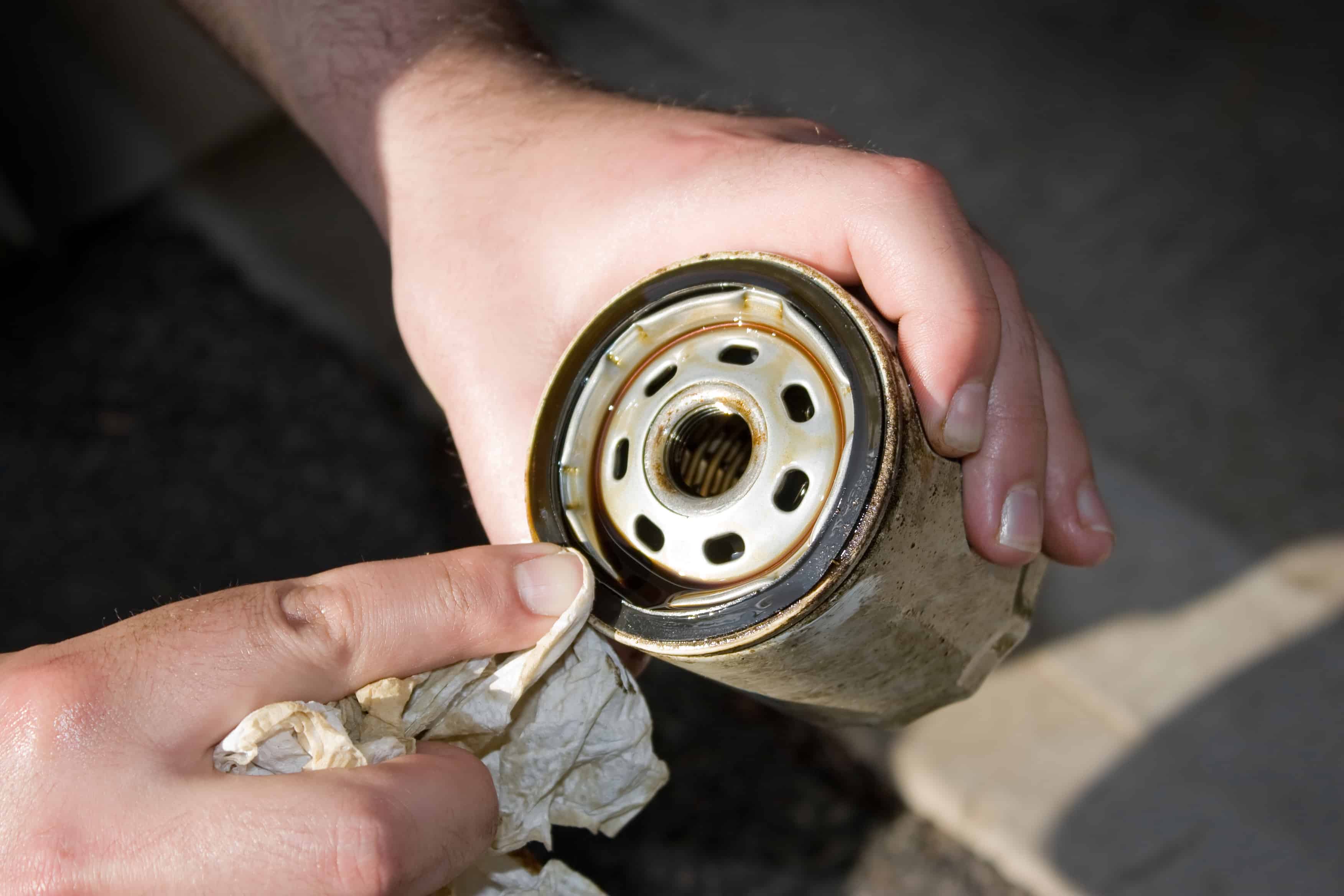
- Inspect the oil filter. Make sure it is snug and not cross-threaded.
- Look at the drain plug and washer for drips.
- Make sure the oil filler cap is tight and the seal is intact.
- Park over clean cardboard to see where drips land.
These steps point you toward why is my car leaking oil and help you talk with a shop. Many people ask, why is my car leaking oil after an oil change. The usual cause is a loose filter, a double gasket, or a missing crush washer.
Top causes of oil leaks
The source matters. Oil runs down and back while driving, so the leak may sit higher than the drip.
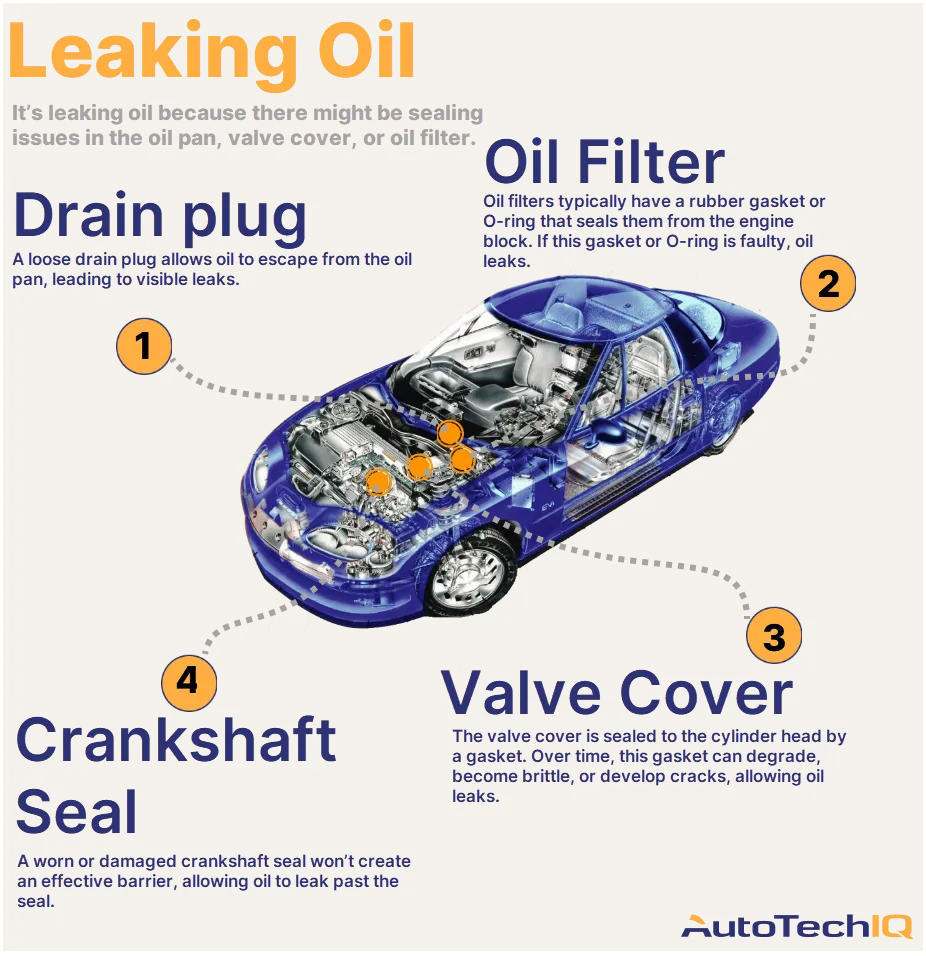
- Valve cover gasket leaks are common on older engines. Oil pools around the top and runs down the back.
- Oil pan gasket can seep after impacts or age. Drips collect at the bottom of the engine.
- Oil filter seal leaks if the old gasket sticks or the filter is loose. I have seen two gaskets stacked many times.
- Drain plug or crush washer leaks after service. Replace the washer every oil change.
- Front or rear crankshaft seals leak with age or if the PCV system fails. Rear main leaks often drip between engine and transmission.
- Camshaft seals and timing cover gaskets can weep and soak the belt area.
- Oil cooler lines and seals crack from heat. Look for wet hoses and fittings.
- Oil pressure sensor can crack and pour oil. The top of the engine may look wet.
- PCV valve failure builds pressure and forces oil past seals. This often answers why is my car leaking oil from many spots.
- Head gasket can leak oil outside, but that is less common.
- Turbo feed and return lines leak on turbo cars. Heat speeds the wear.
- Overfilled oil foams and pushes out seals and breathers.
- Loose or damaged oil filler cap splashes oil around the top of the engine.
These are the main reasons that answer why is my car leaking oil. A clean check helps you pin down which one fits your case.
How to diagnose an oil leak at home?
You can do a safe and smart check in your driveway.
- Confirm it is engine oil. Oil is slick and dark brown to black. Coolant is sweet and often green, orange, or pink. Transmission fluid is red or light brown.
- Map the drip. Where it lands under the car helps you focus the search up above it.
- Clean the area. Use a degreaser and a rag. A clean surface makes a fresh leak stand out.
- Use UV dye and a UV light if you have one. Add dye to the oil, drive 10–15 minutes, and scan for a bright trail.
- Check the easy points first. Oil filter, drain plug, oil cap, and oil level.
- Look high for the source. Oil flows down. Follow the wet trail up to the highest wet point.
- Inspect the PCV system. Shake the PCV valve, check hoses, and replace if clogged.
- Verify torque by hand. Snug the filter by hand and a quarter turn more. Do not over-tighten the drain plug.
- Scan for codes. Misfires or lean codes can appear when oil leaks into plug wells.
Use these steps to trace why is my car leaking oil from high to low. If you still wonder why is my car leaking oil only when parked, the leak may open as the engine cools and seals shrink.
Personal note from the bay: I see drain plug washer leaks a lot after quick oil changes. I also see double-gasket oil filters at least once a month. A 30-second check can save an engine.
Is it safe to drive with an oil leak?
It depends on the size and source.
- A small damp area with no drops may be okay for short trips. Check the oil each time you drive.
- Drips on the driveway need prompt repair. Keep oil at the full mark and book service soon.
- Oil on the exhaust is a fire risk. Do not drive if you smell burning oil or see smoke.
- Oil near a timing belt can ruin the belt. That can cause engine damage.
If your question is why is my car leaking oil and can I still drive, watch the dipstick and your nose. If you add more than a quart between fill-ups, fix it now.
Repair options and cost guide
Costs vary by model, access, and parts. These are typical ranges for parts and labor.
- Oil filter or loose cap is low cost. Often under 50 dollars.
- Drain plug or crush washer is 1 to 30 dollars. Some plugs are special.
- Valve cover gasket is 100 to 400 dollars. More for V6 or V8 engines.
- Oil pan gasket is 300 to 1,200 dollars. Subframes may need to drop.
- Front crank seal is 250 to 600 dollars. Belts and pulleys need removal.
- Rear main seal is 700 to 1,500 dollars or more. The transmission must come out.
- Oil cooler lines and seals are 150 to 400 dollars.
- Oil pressure sensor is 50 to 250 dollars.
- PCV system service is 75 to 250 dollars. On some engines it can be higher.
Prices depend on why is my car leaking oil in your case, local labor rates, and part quality. Ask for a clear estimate and photos of the leak source.
Prevention: how to stop future leaks
Small habits keep oil inside the engine.
- Use the oil grade the maker lists and a quality filter.
- Do timely oil changes. Old oil breaks seals over time.
- Replace the crush washer at each oil change.
- Clean gasket surfaces and use a torque wrench where needed.
- Do not overfill. Fill to the full mark only.
- Inspect the PCV system yearly. Replace weak hoses and stuck valves.
- Keep the engine bay clean. Fresh leaks are easier to spot.
- Check for service bulletins on known leak points for your model.
These steps mean you ask why is my car leaking oil far less often.
When to see a mechanic and what to ask
Seek help if the leak is heavy, near the exhaust, or hard to reach.
- Ask the shop to clean and do a UV dye test.
- Request photos of the highest wet point and the drip path.
- Ask if the PCV system was checked.
- Confirm which parts will be used and if gaskets are OEM or high quality.
- Get a written estimate with labor hours, parts list, and warranty.
Tell the shop, I need to know why is my car leaking oil and how you confirmed it. That sets clear goals and avoids guesswork.

Frequently Asked Questions of why is my car leaking oil
Why is my car leaking oil after an oil change?
A loose filter, a stuck old filter gasket, or a missing crush washer is common. Have the shop check these first and clean the area.
Why is my car leaking oil only when parked?
Cooling parts can shrink and open small gaps. Oil also pools when the engine stops and finds the lowest path to drip.
Why is my car leaking oil when running but not parked?
Crankcase pressure rises while driving, pushing oil past weak seals. Splash oil also hits higher gaskets that do not drip when still.
Why is my car leaking oil from the front of the engine?
This often points to a front crank seal, timing cover, or cam seal. It can also be a loose oil filter if it sits high on the front.
Why is my car leaking oil and smoking?
Oil may be burning on the exhaust or turbo housing. Stop, check the level, and address it now due to fire risk.
Conclusion
Oil leaks start small and grow with heat and time. You now know the main causes, how to find the source, when it is safe to drive, and what fixes cost.
Take a few minutes today to check the easy points, track the leak, and plan the repair. Protect your engine, your money, and your peace of mind.
Want more helpful guides like this? Subscribe for updates or leave a comment with your leak story and questions.