

Spray cleaner through the intake, flush the bowl, and feed fresh fuel.
If your bike won’t idle or only runs on choke, you might have varnish and grit clogging the jets. As a tech who has revived hundreds of trail and MX bikes, I’ll show you how to unclog a dirt bike carburetor without removing it, using safe, proven methods you can do in your garage.
Follow this step-by-step guide to restore throttle response and reliability the right way.
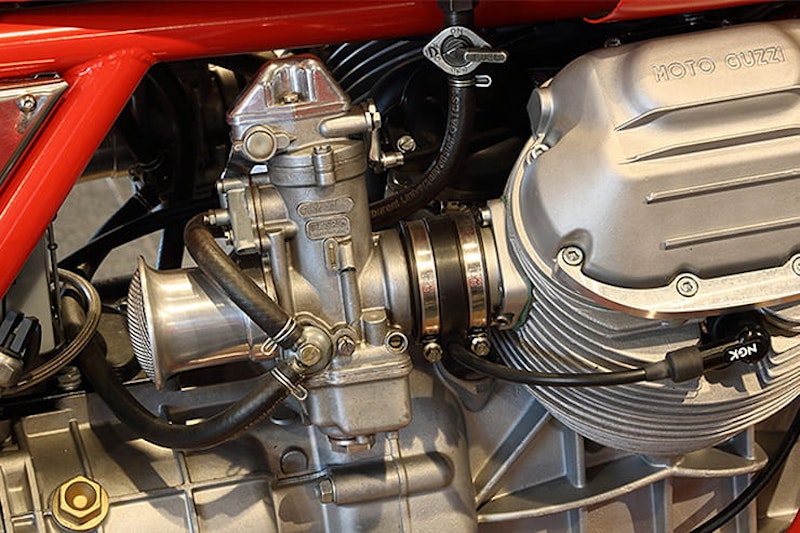
Why this works: how to unclog a dirt bike carburetor without removing it
Carb passages clog when stale fuel leaves gum and residue. The smallest jets, like the pilot jet, clog first. That is why the bike pops, stumbles, or dies off idle. You can often clear these passages by dissolving residue and flushing debris using the intake and bowl drain, without pulling the carb.
Fresh fuel, the correct spray cleaner, and controlled engine vacuum do the heavy lifting. By pulsing the choke and spraying into the intake, you drive cleaner through the idle, off-idle, and main circuits. By draining the bowl, you purge loosened grit so it does not re-clog. This is how to unclog a dirt bike carburetor without removing it while keeping risk low.

Tools and supplies you will need
- Carb cleaner. Use non-chlorinated carburetor cleaner that is safe for O-rings.
- Fuel system cleaner. A detergent additive for gasoline, per the label dose.
- Fresh fuel. Premium, ethanol-free if possible, or E10 used within 30 days.
- Screwdrivers. JIS or Phillips for airbox and mixture screws.
- Small wrench. For your bowl drain screw and 17 mm bowl plug, if fitted.
- Compressed air. Optional, gentle bursts only (20–30 psi).
- Catch pan and rags. For safe fuel drainage and cleanup.
- Gloves and eye protection. Work in a well-ventilated area.
Gathering these first makes how to unclog a dirt bike carburetor without removing it faster and cleaner.
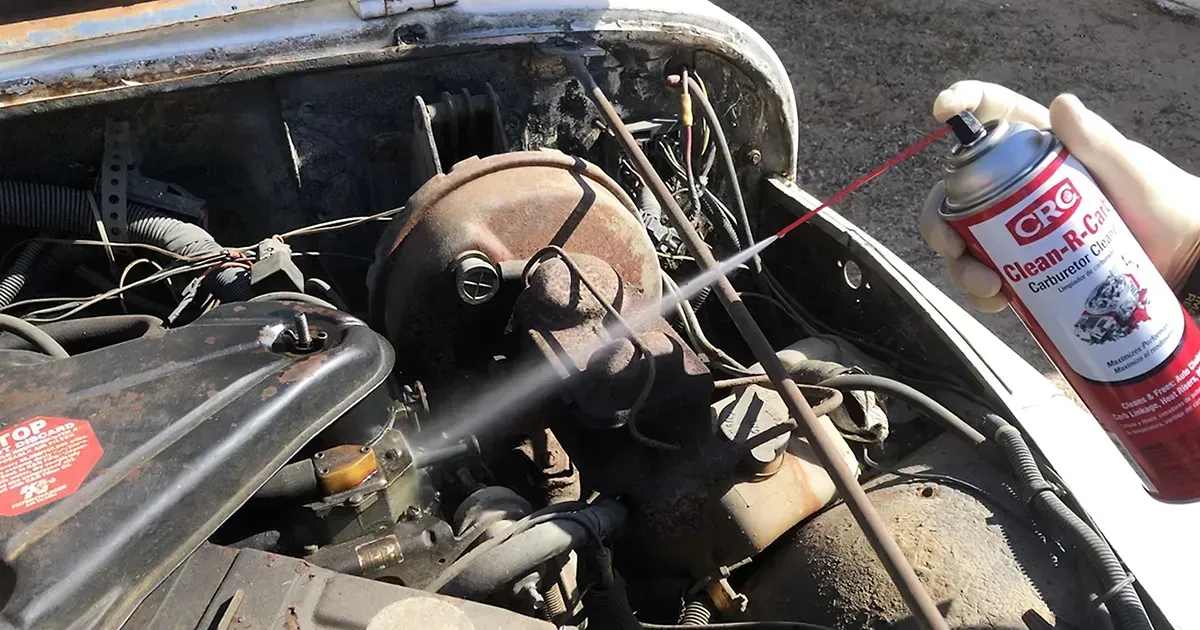
Step-by-step: how to unclog a dirt bike carburetor without removing it
Follow these steps in order. Read them once before you begin.
- Confirm the symptoms
- Hard starting, needs choke to run, or dies when you crack the throttle.
- Hanging idle or bog off idle points to a clogged pilot circuit.
- Make it safe
- Work outside or in open air. No flames or sparks. Battery off if needed.
- Put the bike on a stand. Let the engine cool.
- Drain stale gas from the carb bowl
- Set a catch pan under the bowl.
- Open the bowl drain screw. Let fuel drain until it runs clear.
- Close the screw. This flushes loose debris and water from the lowest point.
- Refresh the tank and add cleaner
- If the tank fuel is old, drain and refill with fresh gasoline.
- Add a fuel system cleaner at the label rate. This helps dissolve varnish as you run.
- Turn the petcock to ON/RES to refill the bowl.
- Access the intake side
- Remove seat and airbox cover. Pull the air filter.
- Place a clean rag over the intake bell to catch overspray and dirt.
- Prime and start
- Crack the throttle slightly. Use choke if cold.
- Start the engine. Keep it alive with small throttle inputs.
- Spray carb cleaner in controlled bursts
- With the engine running at a fast idle, aim the straw into the intake.
- Give a one-second burst, then let the engine clear. Repeat three to five times.
- Do not flood it. Short bursts work better and protect seals.
- Use the choke snap technique
- Pulse the choke on for one second, then off.
- This boosts vacuum through the pilot circuit and helps pull cleaner through.
- Keep revs steady. Expect some smoke and roughness for a minute.
- Flush the bowl again
- With the engine off, open the bowl drain for a few seconds.
- Catch the fuel, then close. This removes loosened debris before it re-sets.
- Clean the idle mixture passage (if accessible)
- Count and note the current turns out on the fuel/air screw.
- Remove the screw, spring, washer, and O-ring carefully.
- Spray a tiny burst of cleaner into the passage. Follow with a gentle air puff.
- Reinstall parts and return to the noted setting. Most bikes are 1.5–2.0 turns out.
- Reset idle speed and test
- Set idle to spec. Warm the engine fully.
- Blip the throttle. It should take throttle without bog.
- Go for a short ride. Load helps clear the main and needle circuits.
- Repeat once if needed
- If it improves but isn’t perfect, run a half-tank with cleaner.
- Perform the spray-and-drain cycle a second time.
These steps are the core of how to unclog a dirt bike carburetor without removing it. They focus on the pilot and off-idle passages, which cause most rideability issues.
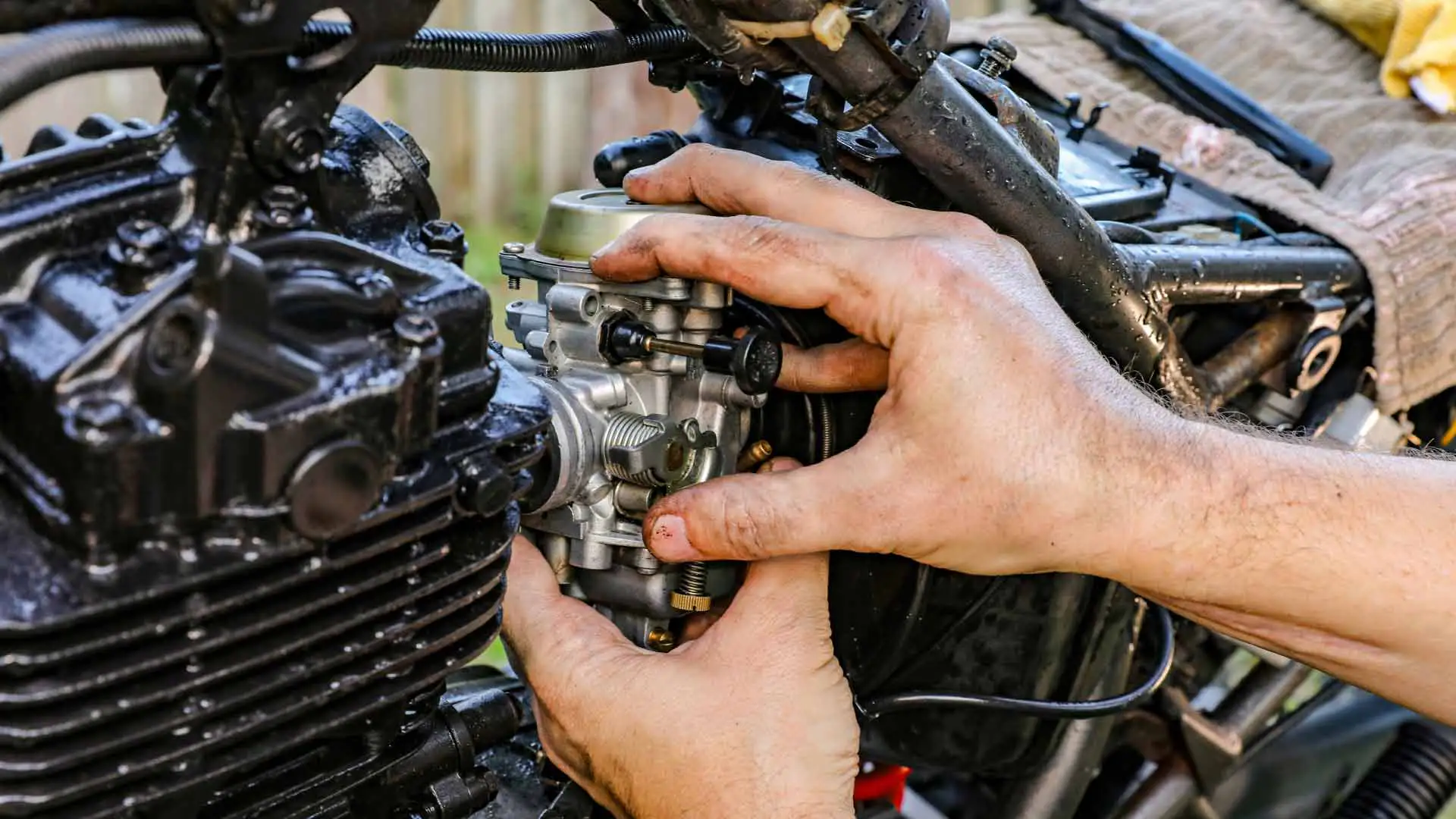
Advanced techniques without pulling the carb
If access allows, you can do a deeper clean still on the bike.
- Remove the 17 mm bowl plug (common on Keihin FCR). You can spray cleaner up into the main well and even remove the main jet for a quick rinse. Keep a magnet handy so you do not drop parts.
- Free a stuck float needle by tapping the bowl lightly with a plastic screwdriver handle while fuel flows. A steady drip from the overflow means the needle was stuck.
- Hot-soak the idle circuit. Warm the engine, shut it off, spray cleaner into the intake, and let it sit 10 minutes. Restart and clear it with gentle revs.
Use these only if you are confident. They extend how to unclog a dirt bike carburetor without removing it into areas that usually demand a teardown.

Safety, mistakes to avoid, and when to stop
- Do not over-spray. Long blasts can wash cylinder walls and damage seals.
- Avoid chlorinated cleaners. They can harm rubber and coatings.
- Keep pressure low if using compressed air. High pressure can force debris deeper.
- If fuel leaks won’t stop, or the throttle sticks, shut down and service the carb off-bike.
- If you cannot get a stable idle after two cycles, full disassembly and jet cleaning is safer.
Knowing when to pause is part of how to unclog a dirt bike carburetor without removing it responsibly.

Prevention checklist and fuel care
- Use fresh fuel. Modern gas starts to go stale in 30 days.
- Run the bike every two weeks or drain the bowl after rides.
- Add a stabilizer if the bike sits. Follow the label dosage.
- Keep the air filter clean and oiled. Dirt in the intake becomes grit in jets.
- Install an inline fuel filter if your model allows it.
Prevention is cheaper than any method of how to unclog a dirt bike carburetor without removing it.
Troubleshooting after cleaning: common scenarios and fixes
- Still needs choke to idle. Open the fuel screw 1/4 turn and retest. If no change, repeat the spray-and-drain cycle.
- Bog on a snap throttle. Raise idle slightly, verify clean air filter, and add fresh fuel. A small ride under load often finishes the cleanout.
- Hanging idle when hot. Look for vacuum leaks at the intake boot. Tighten clamps and inspect for cracks.
- Wet plug or fuel overflow. Gently tap the bowl to free the float. If it persists, the needle and seat need service.
- Surging at steady cruise. Run half a tank with cleaner and verify the pilot jet circuit with another brief intake spray.
Use these checks to round out how to unclog a dirt bike carburetor without removing it and confirm the fix holds.

Frequently Asked Questions of how to unclog a dirt bike carburetor without removing it
How long does it take to see results?
Often within 15–30 minutes. If the bike improves but is not perfect, a second cycle after a short ride usually finishes the job.
Is it safe to spray carb cleaner into the intake?
Yes, in short bursts. Use non-chlorinated cleaner, keep the engine running, and avoid long sprays that can wash oil off the cylinder.
Can fuel additives fix a clogged pilot jet?
They help dissolve light varnish while running. For hard clogs, combine additives with bowl flushing and intake sprays.
What if my bike only runs on choke after cleaning?
Open the fuel screw 1/4–1/2 turn and warm the bike fully. If that fails, the pilot circuit may need an off-bike jet cleaning.
Will this method work on two-strokes and four-strokes?
Yes. The process is similar for both. Be extra gentle with two-strokes to avoid washing away premix film; keep sprays short.
Do I need compressed air?
Not required. If used, keep pressure low and only give short puffs into passages after spraying cleaner.
How many times should I repeat the process?
Usually once or twice. If it still runs poorly after two cycles, remove the carb and clean the jets by hand.
Conclusion
You can bring a rough-running bike back to life with simple tools, fresh fuel, and a careful spray-and-flush routine. The process focuses on the pilot and off-idle circuits, which cause most issues, and is a reliable way to restore smooth idle and crisp throttle without a teardown.
Put these steps into practice today, ride a short loop, and fine-tune your idle screw for best results. Want more tips like this? Subscribe for expert how-tos, or leave a comment with your bike model and symptoms so I can help you dial it in.