

Usually no. Dirt bikes are off-road machines and not street-legal by default.
If you have asked are dirt bikes legal on the street, you are not alone. The rules are tricky and vary by state, gear, and paperwork. I have converted and registered bikes, dealt with inspections, and learned what works.
This guide explains what makes a bike legal, where you can ride, and how to stay safe and compliant. Read on to see when are dirt bikes legal on the street, and how to do it the right way.
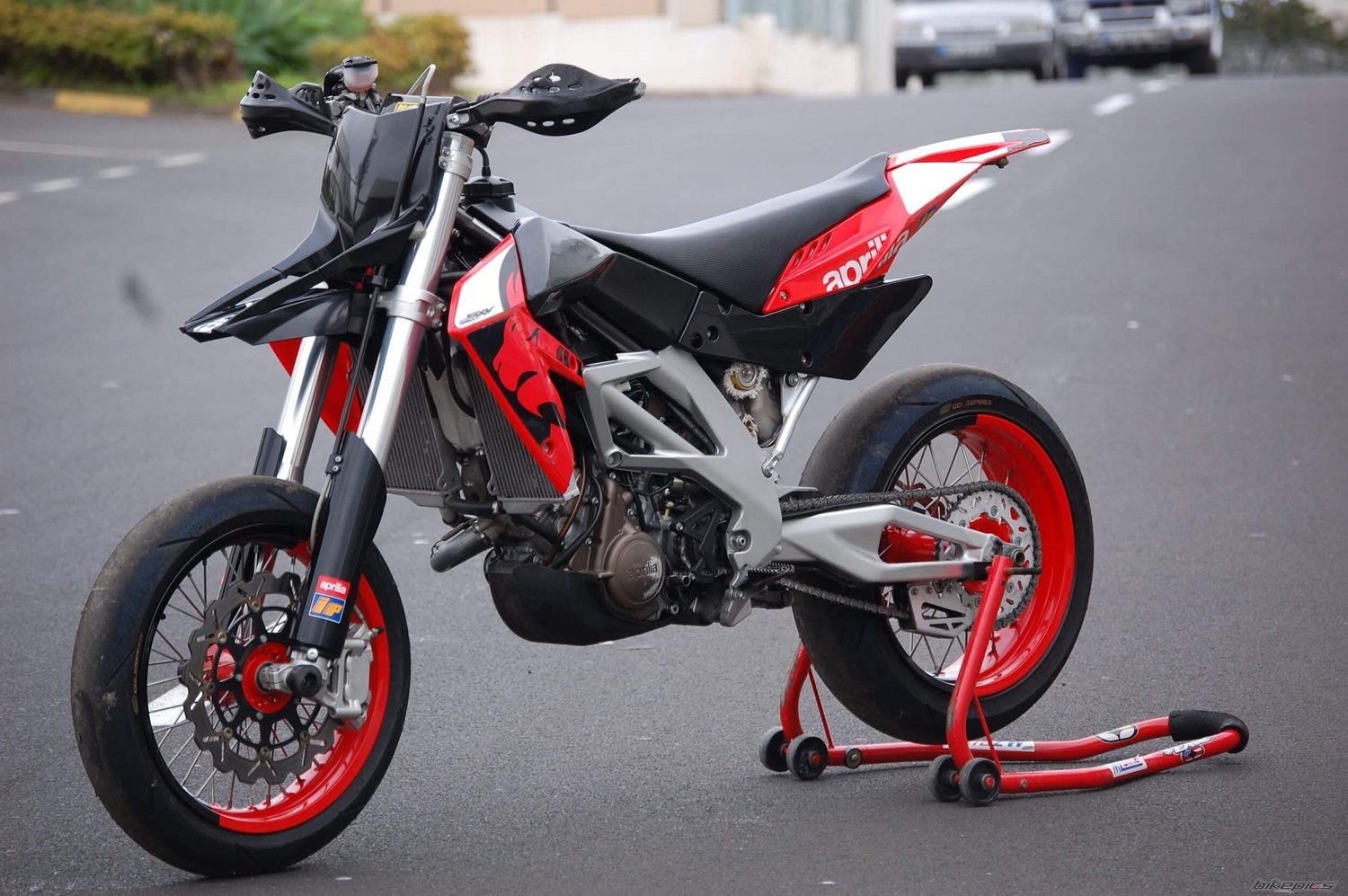
Understanding Street Legality for Dirt Bikes
Most dirt bikes are built for trails, not traffic. They lack lights, mirrors, a plate mount, and emissions labels. Many come with an off-highway use only statement from the factory.
To be legal on public roads, a bike must meet vehicle equipment rules. It must also be titled, registered, insured, and operated by a licensed rider. Whether are dirt bikes legal on the street depends on each state’s rules and how the bike was made.
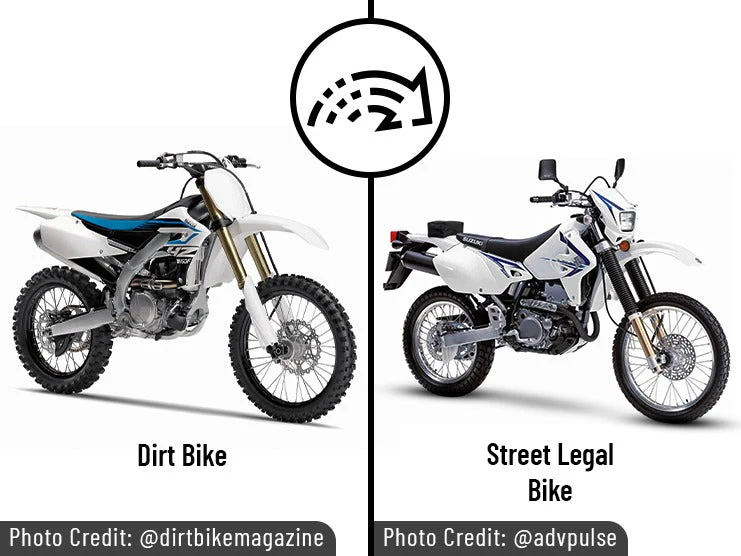
Dual-sport motorcycles are the exception. They are factory-built for both dirt and pavement. They already meet federal and state standards. That is why they can be registered with far less effort.
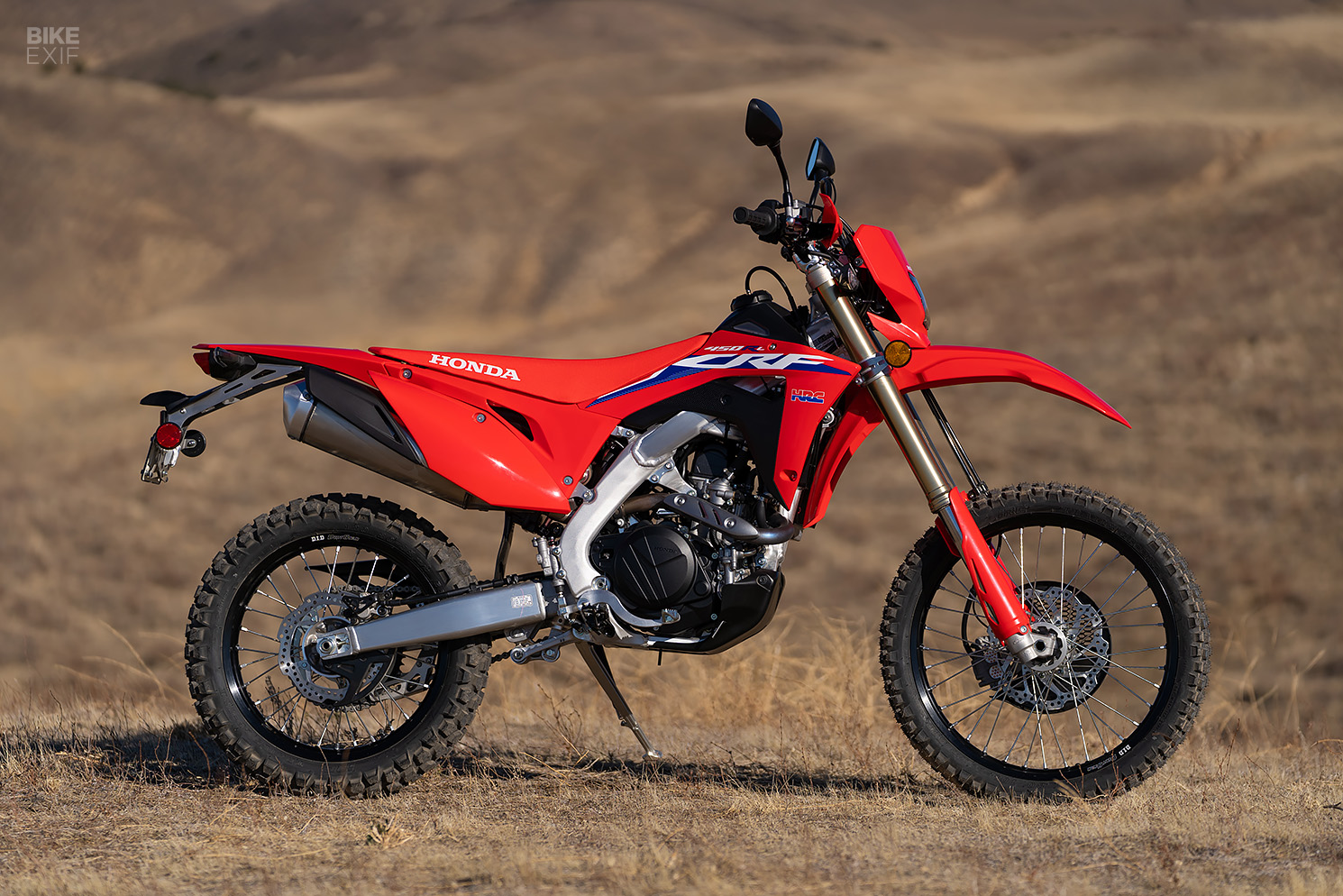
Federal vs. State Rules: What Actually Controls Where You Ride
Two layers of law affect you.
At the federal level, safety and emissions standards matter. Tires, lights, mirrors, and helmets are covered by national standards. Manufacturers also label bikes for on-road or off-road use. If a bike left the factory as off-road only, some states will not allow a plate.
At the state level, DMVs set registration and equipment rules. States decide if conversions are allowed. They also set inspection steps, fees, and what paperwork proves ownership. This is why the answer to are dirt bikes legal on the street is so different from place to place.

State Snapshot: Where Conversions Are Easier or Harder
Rules change often. Always check your DMV site before you spend money. Still, trends are clear.
Easier states for conversions
- Arizona, Utah, South Dakota, and parts of Colorado often allow plating after an equipment check.
- Some rural counties are more flexible on inspections and proof of compliance.
- Out-of-state registration has been used by some riders, but it can raise tax and residency issues.
Harder states for conversions
- California is strict about emissions labels and off-highway designations, especially on newer bikes.
- New York and some East Coast states often reject off-road MSOs for on-road use.
- Some states will not plate a bike if the manufacturer marked it off-road only.
If you are asking are dirt bikes legal on the street where you live, call the DMV and ask about off-highway vehicle conversions. Ask about inspections, required forms, and any emissions label needs.
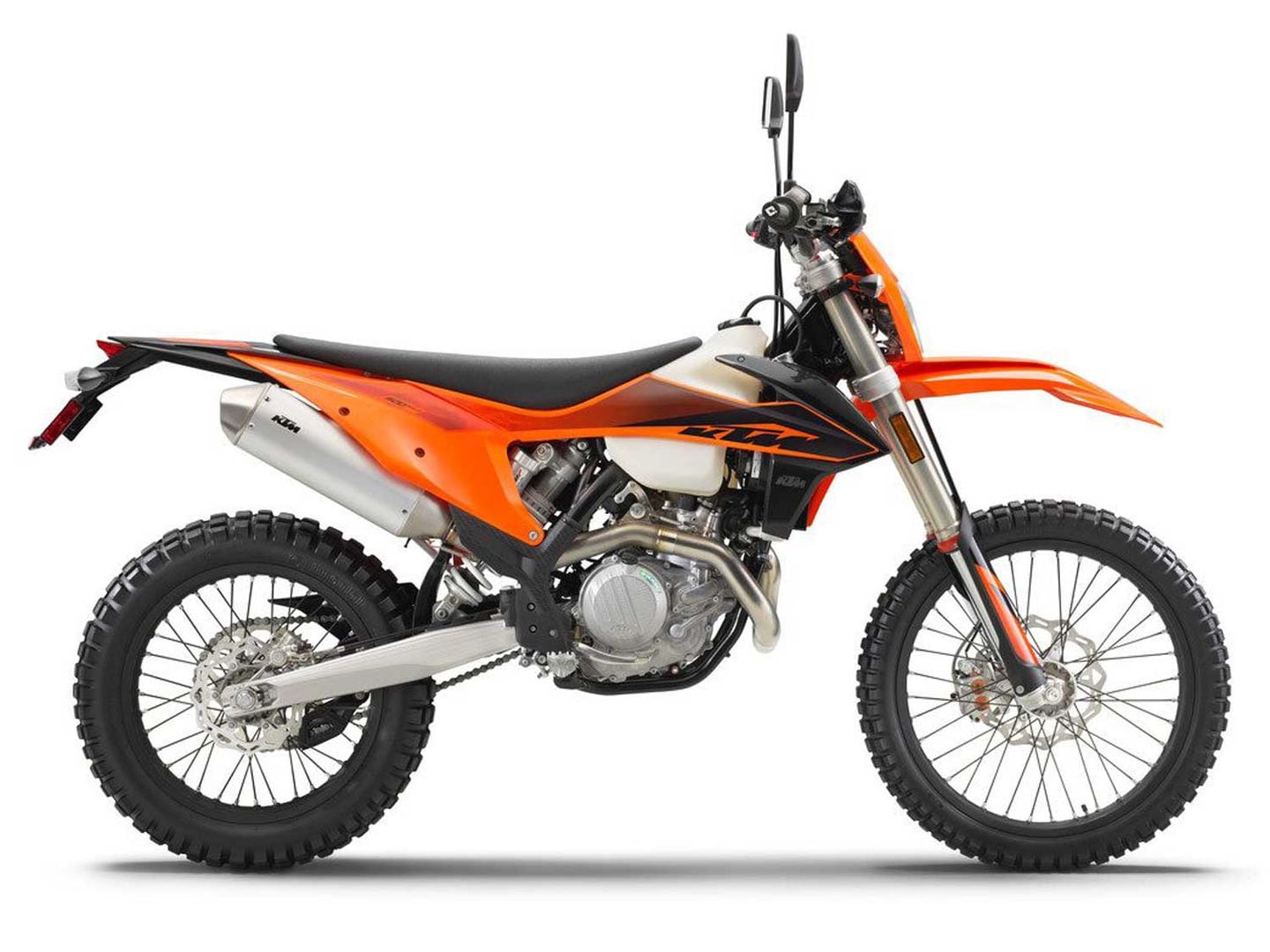
What You Need to Make a Dirt Bike Street-Legal
Equipment requirements vary, but this list covers the usual items. Use DOT or SAE-stamped parts where required.
Core equipment
- Headlight with high and low beam and an indicator on the dash
- Tail light and a bright brake light
- At least one mirror on the left, two in some states
- Horn that sounds at a required distance
- DOT-approved tires with proper speed rating
- Turn signals front and rear, unless your state exempts older bikes
- License plate bracket with a white plate light
Electrical and controls
- A battery or stator that supports lighting at idle
- Handlebar switches for lights and signals
- A keyed ignition or theft-deterrent device, where required
- A speedometer and odometer, required in some states
Paperwork and identification
- A clear VIN that matches your title or MSO
- Proof of ownership and bill of sale if needed
- Emissions or EPA on-road label, if your state requires it
When people ask are dirt bikes legal on the street after adding this gear, the answer is still maybe. You must also pass inspection, get a plate, and carry insurance.
Step-by-Step: How to Convert and Register a Dirt Bike for Street Use
Follow a simple plan. It will save time and stress.
Step 1: Confirm eligibility
- Call your DMV. Ask if they allow conversions from off-road to on-road.
- Ask about required forms, VIN checks, and inspection locations.
- Write down names and answers. Rules can vary by office.
Step 2: Install compliant equipment
- Use DOT or SAE-marked parts where required.
- Wire the bike with proper fuses and a stable charging system.
- Keep receipts and take photos of the build.
Step 3: Inspection and VIN check
- Schedule a law enforcement or DMV inspection if required.
- Bring the bike, receipts, and proof of ownership.
- Fix any issues they find. Then return for a recheck.
Step 4: Title, registration, and plate
- Submit forms, pay fees, and get the plate.
- Mount the plate and light securely.
- Buy motorcycle insurance before riding on public roads.
Step 5: Ride legal and keep proof
- Carry registration and insurance cards.
- Keep your license with the proper motorcycle endorsement.
- Know local noise and equipment rules.
This is the most reliable path when you ask are dirt bikes legal on the street with a conversion.
Costs, Insurance, and Licensing You Should Expect
Budget for more than just parts. You will have fees and time costs too.
Typical costs
- Conversion kit and wiring: 200 to 800 dollars or more
- Tires, gearing, and brake upgrades: 150 to 600 dollars
- Inspection, title, and registration fees: 50 to 300 dollars
- Insurance: varies by state, rider record, and bike value
Insurance and licensing
- Most states require at least liability insurance on any plated bike.
- You may need a motorcycle endorsement on your driver’s license.
- Some insurers will not cover a bike still marked off-road only.
If you wonder are dirt bikes legal on the street without insurance or an endorsement, the answer is no in most places.

Penalties and Risks of Riding an Unlicensed Dirt Bike on the Street
Riding an unplated dirt bike on public roads can be costly. It can also be unsafe.
Common penalties
- Tickets for no plate, no insurance, and equipment violations
- Fines, points on your license, and even bike impound
- Higher insurance rates after a violation
Practical risks
- You have less visibility to drivers without proper lights and mirrors.
- Off-road tires may not grip well on wet pavement.
- A crash without insurance can be financially devastating.
Asking are dirt bikes legal on the street without proper equipment is like asking if you can run red lights. You might get away with it once. It is still illegal and risky.
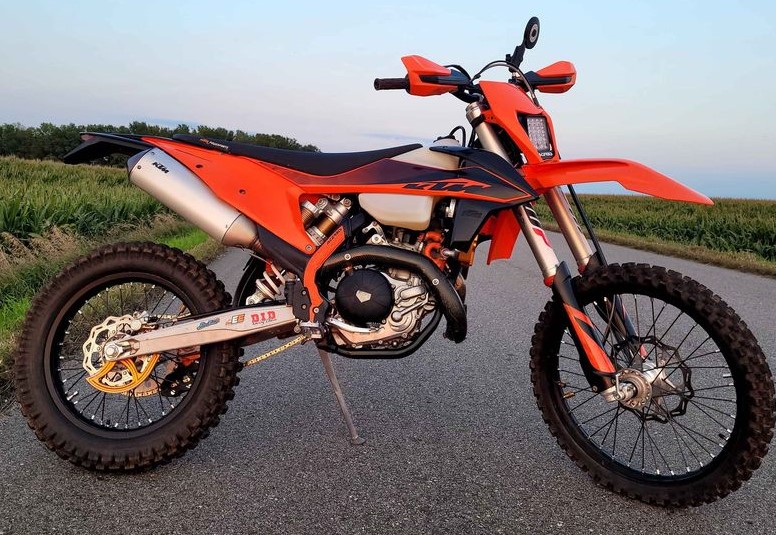
Where You Can Legally Ride If Your Dirt Bike Isn’t Street-Legal
You still have great options if a plate is not possible.
Good places to ride
- OHV parks and state-managed trail systems
- National forest and BLM routes open to motorized use
- Private land with clear permission
- Organized events that allow off-road bikes
Mixed-use and connector roads
- Some states allow short connectors on county roads with an OHV sticker.
- Others ban OHVs on any public road. Always check local rules.
If you cannot get a plate where you live, the smart move is to ride where rules are clear. That beats guessing are dirt bikes legal on the street and paying for a mistake.
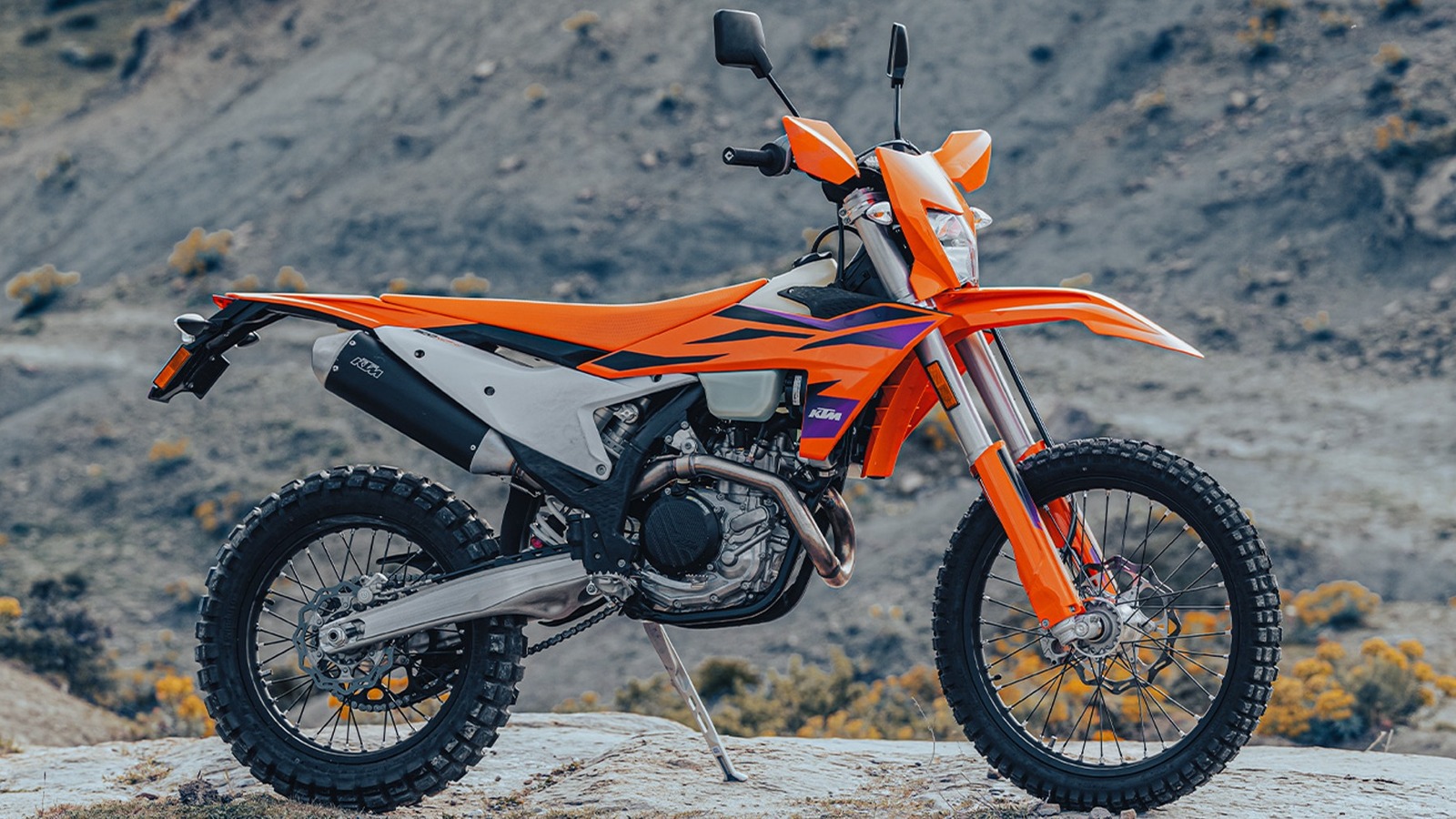
Real-World Lessons From the Garage
I converted a carbureted trail bike in Colorado. The inspection officer checked the VIN, horn, mirrors, brake light, and the plate light first. He also tested the high beam and asked about DOT markings on my tires.
Mistakes I made
- I first used a weak stator. The lights dimmed at idle and failed the test.
- My plate light was too dim. I replaced it with a brighter unit with a clear DOT mark.
- I forgot to bring receipts. I got a second trip for that.
Tips that worked
- Print the state equipment checklist and go line by line.
- Use heat-shrink and proper connectors. Messy wiring gets extra scrutiny.
- Take photos of each mod. It helps with insurance and resale.
These steps helped me answer are dirt bikes legal on the street for my own build. With patience, clear records, and the right parts, the process went smoothly.
Frequently Asked Questions of are dirt bikes legal on the street
Are dirt bikes legal on the street anywhere without changes?
In most places, no. You need required equipment, a plate, insurance, and a motorcycle endorsement to ride on public roads.
What is the easiest way to ride both dirt and street?
Buy a factory dual-sport. It is designed for the road and already meets the rules, so registration is simple.
Do I need turn signals to be street-legal?
Many states require them. Some allow hand signals on older bikes, but add signals for safety and to pass inspections.
Can I register my dirt bike in another state to get a plate?
Some riders do, but it can cause tax and residency problems. Your home state may refuse to honor that registration.
Will a quiet exhaust help with street legality?
Noise rules vary, but a quiet, spark-arrested exhaust helps pass inspections. It also keeps you neighbor-friendly and reduces attention.
Are e-dirt bikes treated differently on the street?
Electric bikes still need lights, mirrors, a plate, and insurance if used on the road. Rules depend on power and classification.
What if my manufacturer’s document says off-road use only?
Some states will not plate it at all. Others allow conversions if you pass inspection and meet all equipment rules.
Conclusion
Dirt bikes are not street-legal by default, but many paths exist. The key is to match your plan to your state’s rules, install proper equipment, and document every step. If your state is strict, ride legal OHV areas or choose a factory dual-sport.
Use this guide to map your next move. Check your DMV site, build a clear parts list, and budget for inspection, insurance, and fees. If this helped you understand when are dirt bikes legal on the street, share it with a friend, subscribe for more how-tos, or leave a question and I will help you plan your build.