

A car often overheats at idle due to failed cooling fans or low coolant.
If you keep asking why would my car overheat in idle, you’re not alone. I’ve diagnosed this exact issue hundreds of times, from slow traffic on hot days to cold mornings with hidden leaks.
In this guide, I’ll explain the cooling system in plain English, show you the most common causes, and walk you through fast checks you can do today.
How engine cooling works at idle?
At highway speed, air rushes through the radiator and carries heat away. At idle, your car relies on electric fans, a steady coolant flow, and a sealed, pressurized loop to keep temps stable. When any part of that loop slips, heat builds up fast.
Pressure raises the coolant’s boiling point, which is why a healthy radiator cap matters. Most modern cars switch the fan on near normal operating temperature, using the engine computer and a temperature sensor. If you wonder why would my car overheat in idle, start by thinking about airflow, coolant flow, and pressure.

Top reasons your car overheats while idling
Many issues can lead to overheating at a stop. The keyword is control. The system must move heat from the engine to the air even when the car is still. If you’re asking why would my car overheat in idle, these are the usual suspects.
Airflow problems at a stop
- Electric radiator fan not running The fan motor, relay, fuse, or wiring can fail. At speed you get airflow, so temps look normal, but at idle the needle climbs.
- Fan clutch failure (older trucks/SUVs) A weak clutch lets the fan slip. Hot idle temps, cooler while cruising, is a classic sign.
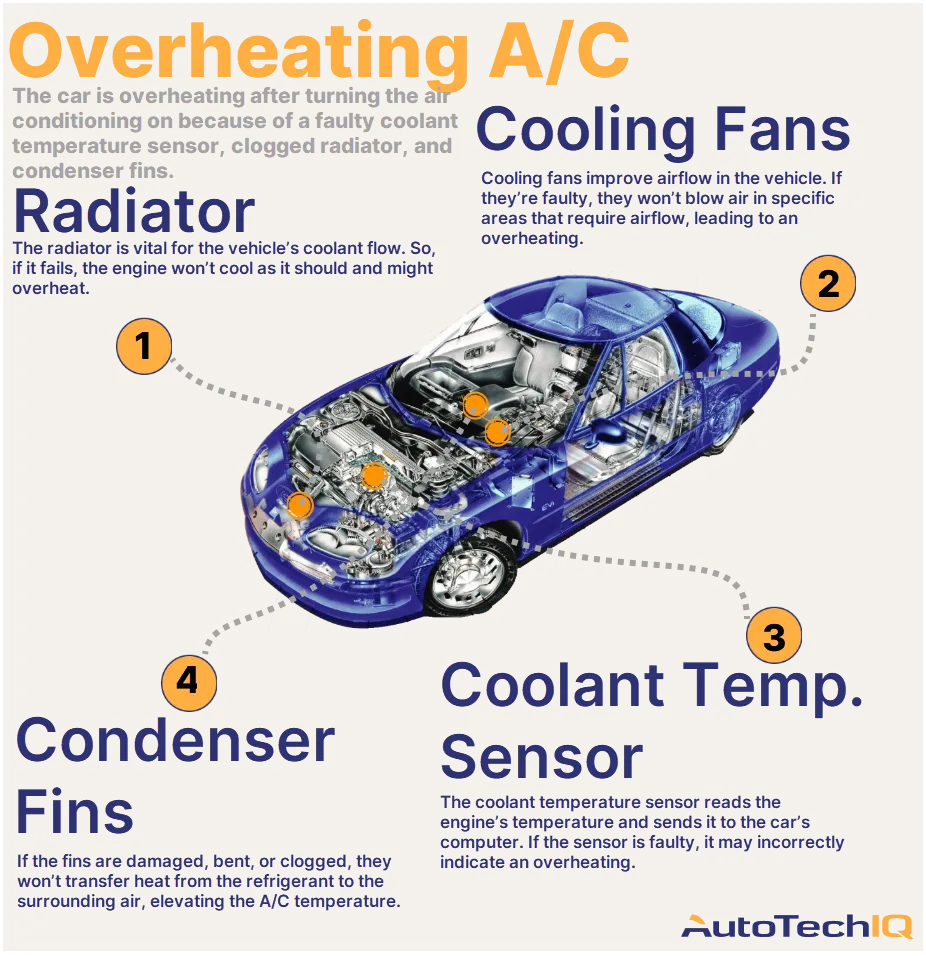
- Blocked front end Debris, leaves, or a dense bug screen can starve the radiator and A/C condenser of air.
Coolant flow problems
- Low coolant level Small leaks, a weak radiator cap, or a slow internal leak can drop the level. That traps air pockets that block flow at idle.
- Thermostat stuck closed With no path through the radiator, heat spikes, first at idle and then under load.
- Water pump wear or belt slip A worn impeller or loose belt reduces flow. Idle is where you notice it most.
- Air trapped after service If the system was opened and not bled well, pockets form near the thermostat or heater core. That causes uneven heat transfer and idle creep.
Heat transfer and pressure issues
- Clogged radiator Internal scale and sludge reduce surface area. The car may be fine on the highway but overheat at long lights.
- Weak radiator cap A cap that cannot hold pressure lowers the boiling point. That invites boil-over at idle.
- Dirty coolant Coolant that is old or the wrong type can foam, corrode, and transfer heat poorly.
Sensors and control faults
- Coolant temperature sensor error A sensor that reads cold delays the fan command, causing idle overheating.
- Fan control module or ECU logic failure Less common, but I’ve seen it. The fan never gets the signal to start.
- A/C demand and condenser heat If the condenser is packed with dirt, A/C heat load soaks the radiator at idle.
Engine issues that show up at idle
- Misfire or lean mixture Extra heat from a lean burn or advanced timing can push temps up.
- Head gasket leak Early signs include a slow coolant loss, bubbles in the reservoir, and a sweet smell. Idle overheating plus heater blowing cold can be a clue.
If you’re still wondering why would my car overheat in idle, focus first on the fan, coolant level, and radiator cap—those three explain most cases in the shop.
Step-by-step diagnosis at the curb
This quick plan is safe, simple, and catches most failures. It also answers why would my car overheat in idle without fancy tools.
- Look for the fan running Warm up the car and watch the fan. It should cycle on. No fan at idle with rising temp points to a fuse, relay, motor, or sensor issue.
- Check coolant level Only when the engine is cold, open the reservoir. If it’s low, top it with the right mix and look for leaks.
- Inspect the radiator cap If the seal is cracked or the spring is weak, replace it. A good cap is cheap insurance.
- Scan for trouble codes A basic OBD-II scanner can reveal sensor errors that affect fan control.
- Watch the temperature behavior Does it heat up at idle, then cool while driving? That points to airflow and idle coolant flow.
- Squeeze hoses (cold engine) A collapsed lower hose hints at a weak internal hose spring or blockage.
- Switch the A/C on That command often forces the fan on. If the fan still won’t run, test the fan circuit.
These steps will narrow down why would my car overheat in idle in minutes. If you find no airflow and low coolant, fix both before driving again.

Likely fixes and fair repair costs
Prices vary by car, region, and parts quality. These ranges reflect common shop tickets I see week to week.
- Electric fan assembly Typical $200–$700 parts and labor. Relays and fuses are usually under $50.
- Radiator cap $10–$30. Replace it if in doubt.
- Thermostat and gasket $150–$400 installed. Always bleed air after.
- Coolant service and air bleed $100–$250. Essential after any cooling repair.
- Radiator replacement $400–$1,200 depending on material and access.
- Water pump $300–$1,000. Some are timing-belt driven and cost more.
- Sensor or fan control module $100–$500, based on design and location.
- Head gasket (if confirmed) $1,500–$3,500+. Test first before assuming the worst.
If you came in asking why would my car overheat in idle, most fixes end up being the fan, thermostat, or cap—not a head gasket. Test before you spend.
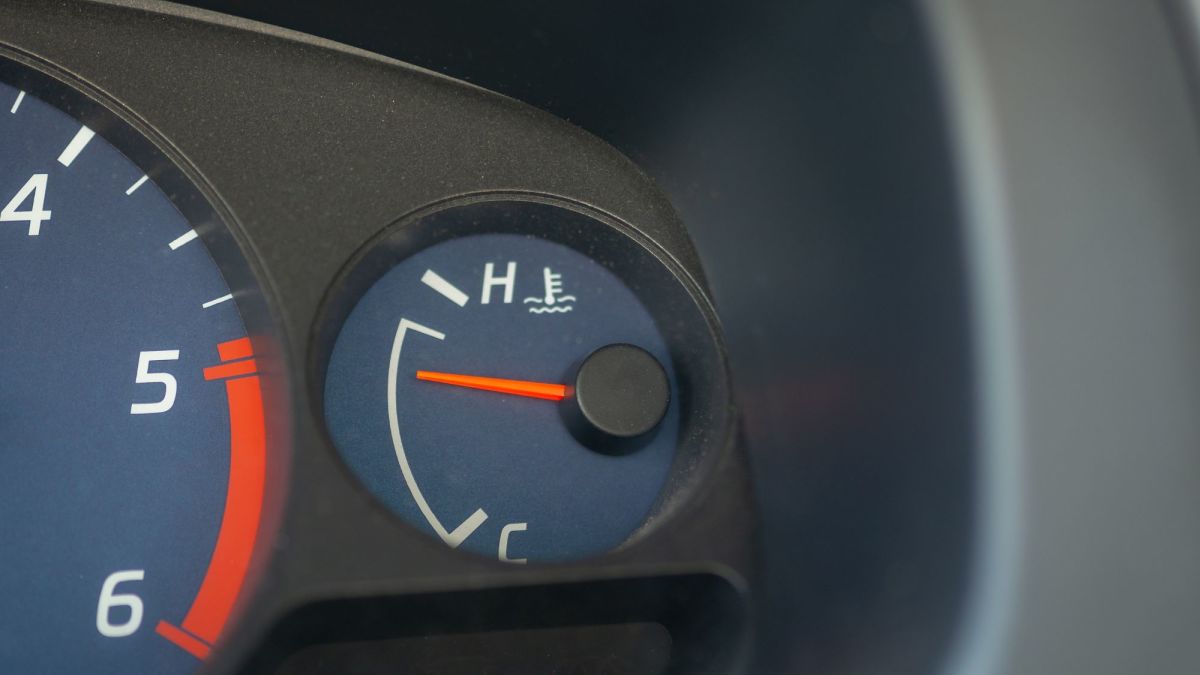
Preventive maintenance and smart driving habits
Cooling systems need steady care. A few simple habits will keep idle temps stable and prevent you from asking why would my car overheat in idle again.
- Replace coolant on time Use the exact type and follow the service interval.
- Inspect the cap, hoses, and clamps Look for soft spots, cracks, and stains.
- Clean the radiator and condenser Gently wash from the back side to clear debris.
- Keep an eye on the gauge If temps creep at long lights, turn off A/C and shift to neutral to reduce load while you diagnose.
- Fix small leaks early Slow losses cause air pockets and hot spots.
These steps pay off in summer traffic and slow drive-thru lines.
Real-world cases from the shop
- The silent fan A late-model sedan came in because the owner asked, “why would my car overheat in idle?” The fan relay had heat-soaked and failed. A new relay and fan test solved it in one hour.
- The air pocket after a thermostat swap A DIYer skipped the bleed step. The car overheated at idle but ran fine on the freeway. We bled the system with a spill-free funnel, and the issue vanished.
- The weak cap on a road trip The cap couldn’t hold pressure, and boiling started only at idle with A/C on. A $20 cap ended the drama.
Each case shows a simple cause. If you’re stuck on why would my car overheat in idle, start simple: fan, coolant level, cap, bleed.
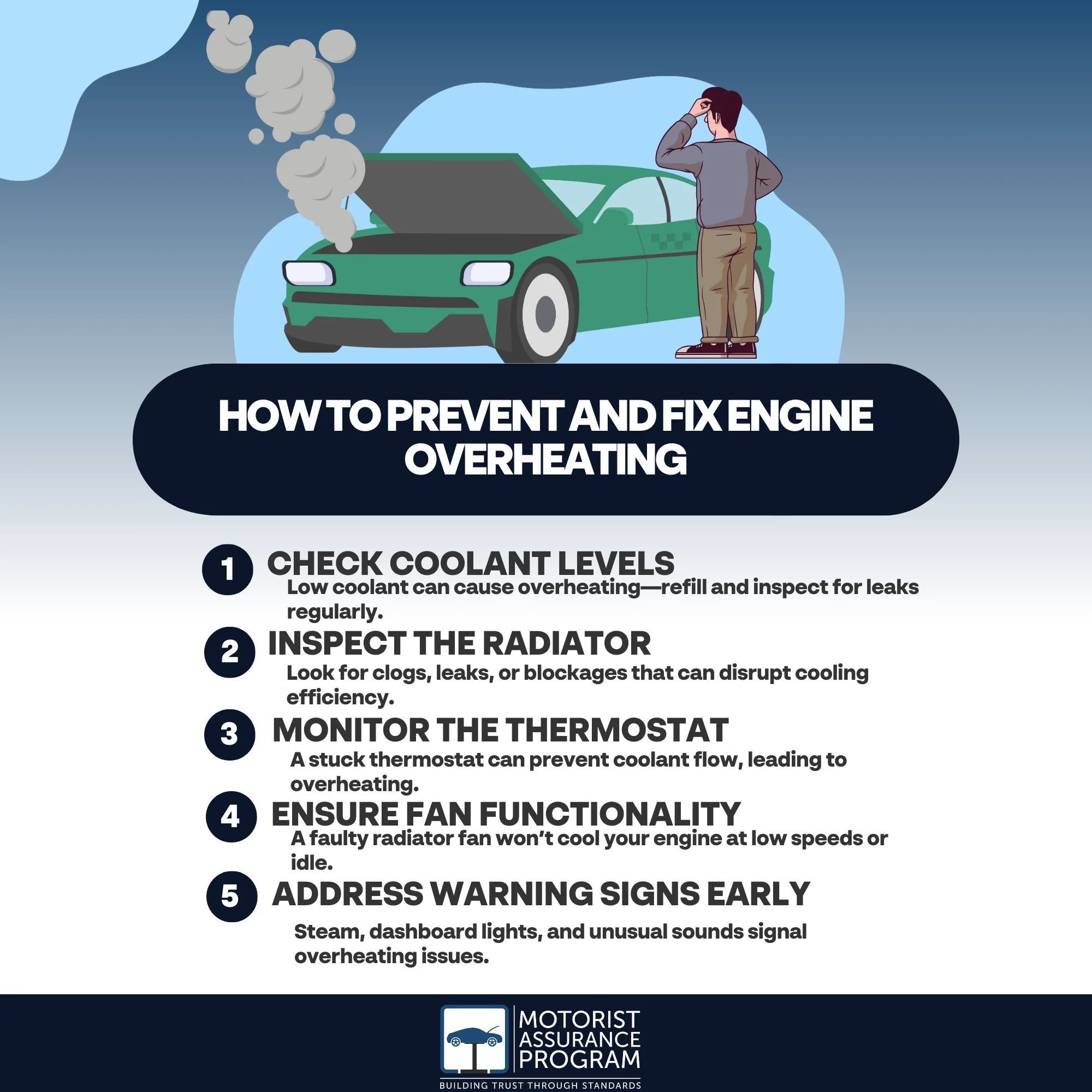
Source: motorist.org
When to stop and call a tow?
Overheating can snowball into big damage fast. Pull over if the temp light comes on, steam appears, or the heater turns cold while the gauge rises. Shut off the engine. Do not open a hot cap.
Tow the car if the fan does not run, coolant is low with no clear leak, or the engine pings or loses power. If you still wonder why would my car overheat in idle after basic checks, a pressure test and scan at a shop will protect the engine.

Frequently Asked Questions of why would my car overheat in idle
Is it safe to drive if my car overheats only at idle?
No. A small idle problem can turn into a major failure in traffic. Fix it now to avoid head gasket damage.
How do I know if the radiator fan is the problem?
Warm the car and watch the fan. If temperature rises but the fan never starts, check the fuse, relay, and fan motor.
Could low coolant cause overheating only when stopped?
Yes. Low coolant introduces air pockets that block flow at idle. Top off with the right mix and find the leak.
What if the car cools down once I start driving?
That suggests airflow or idle flow issues. Look at the fan, radiator cleanliness, and the thermostat.
How often should I change coolant to prevent this?
Follow the owner’s manual. Many modern cars call for 5 years or 100,000 miles, but inspect yearly.
Can the radiator cap really make that much difference?
Yes. A weak cap lowers the boiling point and invites boil-over at stoplights. A new cap is cheap and effective.
Do I need a scan tool to diagnose idle overheating?
It helps but isn’t required. You can check the fan, coolant level, cap, and leaks with basic tools.
Conclusion
Idle overheating points to one of three things: weak airflow, poor coolant flow, or lost pressure. Start with simple checks, fix small faults early, and keep the system clean and bled. If you’ve asked why would my car overheat in idle more than once, today is the day to test the fan, replace the cap, and verify coolant level.
Take action now: run the checklist, book a cooling system check, and set a reminder for coolant service. If this guide helped, subscribe for more hands-on tips or leave a comment with your results.