

Self-driving cars can raise safety risks, deepen inequity, and erode public trust.
The promise sounds simple: cars that drive themselves, reduce crashes, and save time. Yet the real story is more complex. Based on years of testing and policy work, I will explain why self driving cars are bad for safety, privacy, and cities when deployed at scale.
This guide gives clear examples, data-backed insights, and practical advice so you can decide if the trade-offs are worth it.
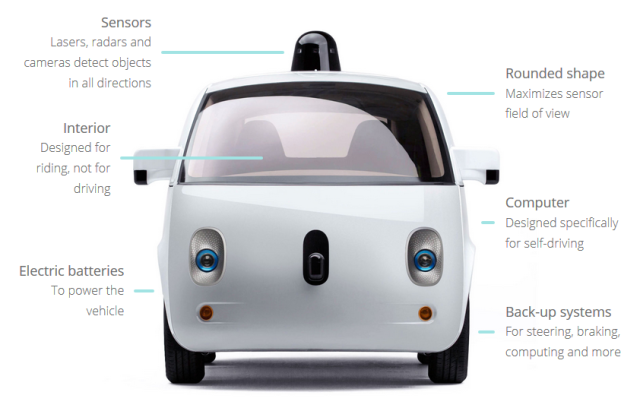
Safety Reality: Long-Tail Risks Outrun The Hype
The most common claim is that robots will be safer than people. That is not proven today. Public crash reports still show failures with pedestrians, cyclists, and emergency scenes. This is a core reason why self driving cars are bad in their current form.
Edge cases cause trouble. They are rare, but costly. Construction zones, unusual signals, unmarked roads, or a person stepping off a curb at night can lead to hesitation or the wrong choice.
In my field rides, I saw robo-taxis stop in live lanes, block fire trucks, or need remote help. That gap is why self driving cars are bad for real streets, not just test loops.
Key safety limits I observe often:
- Long-tail events overwhelm training data and rule sets.
- Perception may miss low-contrast or occluded objects.
- Prediction fails when humans act outside patterns.
- Planning can freeze or pick a risky maneuver.
Until these issues drop to a proven, lower-than-human risk across all settings, the safety case falls short. That is why self driving cars are bad as a blanket solution for public roads today.

Human Factors: Overtrust, Complacency, And Confusion
Automation changes driver behavior. People relax. They look away. They assume the system can handle it. Even with supervised features, crash data shows misuse and overtrust.
This is a major reason why self driving cars are bad for mixed traffic where humans still need to step in. I have reviewed logs where drivers stared at screens while the system struggled with a merge.
I have sat in vehicles where mode changes were unclear. Small design choices matter. If the interface is vague or the handoff is slow, risk spikes.
Watch-outs you can apply today:
- Always know what the system can and cannot do.
- Keep a mental model of the scene, even if the car is driving.
- Expect abrupt handovers in bad weather or complex roads.
- Treat marketing claims as ads, not safety guarantees.
These human factors are stubborn. That is why self driving cars are bad at removing human error; they often reshape it instead.
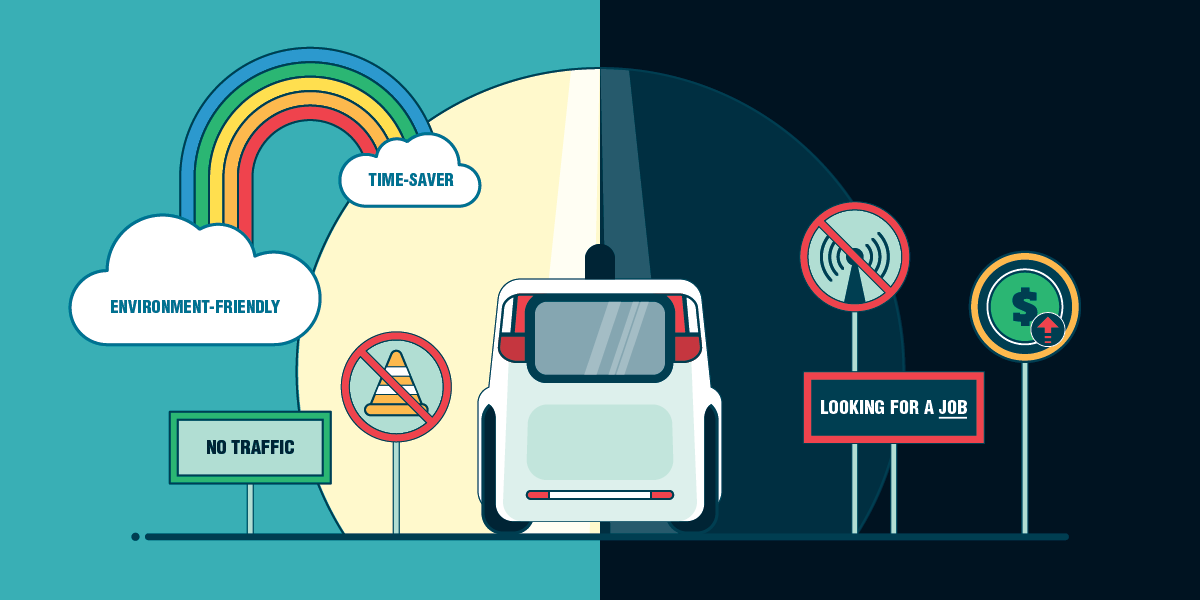
Technical Limits: Sensors, Maps, And Weather
Cameras, lidar, radar, and maps each have blind spots. In fog, snow, glare, or heavy rain, performance drops. Fresh road work can break maps.
Unusual road users, like people on scooters in the dark, can fool models. This is another reason why self driving cars are bad outside narrow, well-mapped zones.
Common failure modes I see:
- Camera washout in sun glare or headlight bloom at night.
- Lidar returns reduced by rain or blocked by grime.
- Radar resolution too low to classify small vulnerable users.
- High-definition maps stale after new paint or cones.
Backups like V2X or better maps help, but they are not everywhere. Until systems prove robust sensing across seasons, regions, and rare events, the limits remain. That is why self driving cars are bad as a universal, any-road answer.
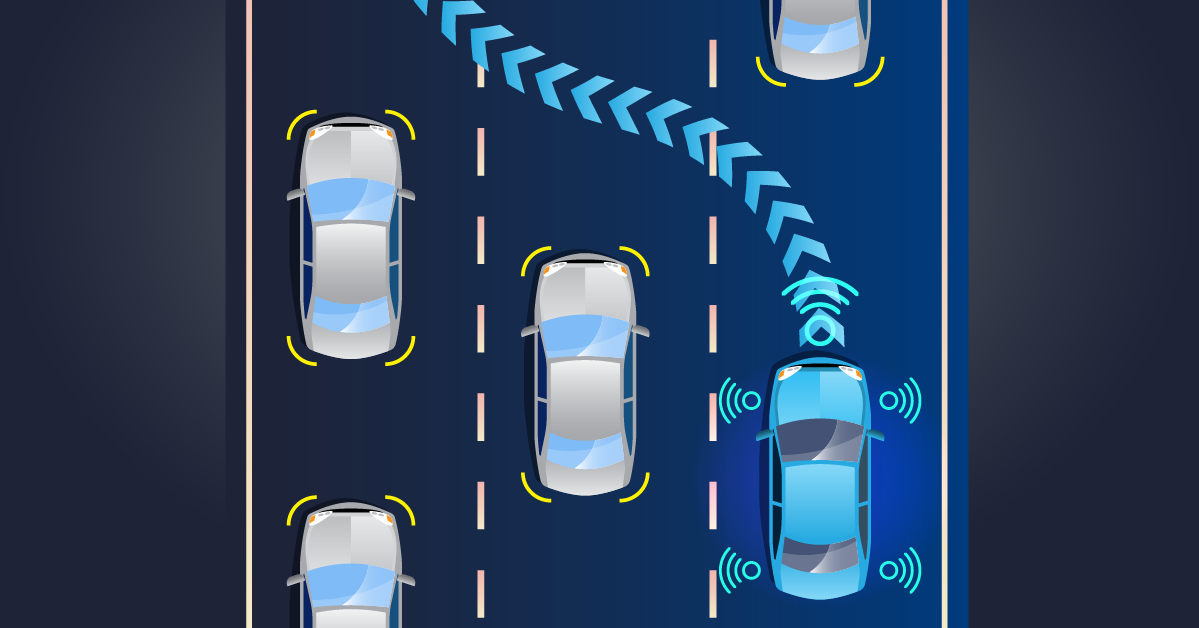
Cybersecurity And Privacy: Rolling Attack Surfaces
Connected cars expand attack surfaces. Software over-the-air updates, remote support, and fleet control bring new risks. A single breach can scale fast.
Vehicle data also exposes location, habits, and personal patterns. For many people, this is why self driving cars are bad for privacy and security.
What concerns me most:
- Remote takeover or sensor spoofing in critical moments.
- Supply-chain attacks via third-party components.
- Location and biometric data used for ads, insurance, or policing.
- Weak consent and opaque data sharing across vendors.
You can ask for clear data policies. You can opt out when possible. But the structural risk stays high. This is why self driving cars are bad when judged by cybersecurity norms from other critical systems.
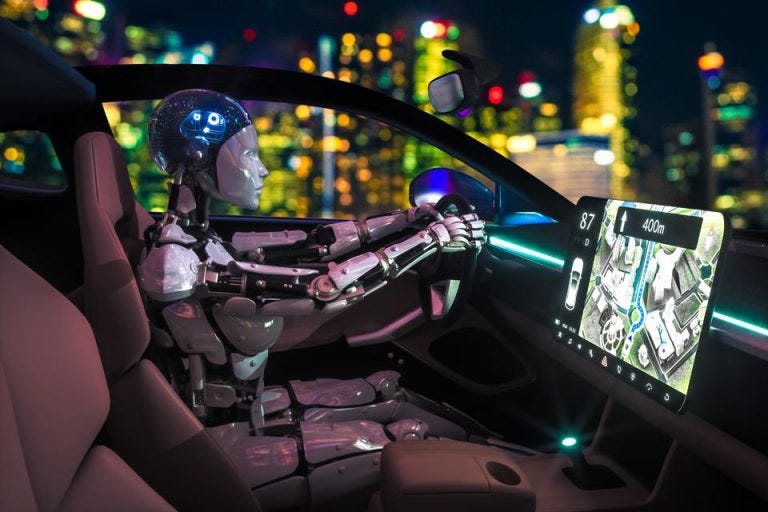
Social And Economic Harms: Jobs, Equity, And Street Life
Automation can displace drivers. Taxi, ride-hail, delivery, and trucking jobs support many families. Quick change hurts them most.
If fleets cluster in wealthy downtowns, service gaps grow in lower-income areas. That is a practical reason why self driving cars are bad for fair access.
Likely impacts I have seen in pilots:
- Job loss without strong retraining or wage bridges.
- Service deserts where profit is low or roads are complex.
- Curb chaos as vehicles dwell, double-park, or block bikes.
- Rising costs passed to cities for enforcement and new rules.
If communities do not set clear terms early, the harms arrive first and the promised gains arrive last. That imbalance is a key reason why self driving cars are bad for social cohesion when deployed without guardrails.
Law And Ethics: Blurry Liability And Moral Trade-offs
When a crash happens, who is at fault? The rider? The backup driver? The automaker? The software team? Legal clarity lags behind technology. Ethics also get hard.
A system may pick between a hard brake and a swerve. Both carry risk. This is why self driving cars are bad for today’s legal and insurance frameworks.
What must be resolved:
- Strict liability rules for software-driven harm.
- Transparent incident data for public review.
- Clear standards for safe fallback and remote support.
- Fair claims handling for victims, not just vendors.
Until these exist, accountability stays muddy. That is a serious reason why self driving cars are bad as a default choice for public safety.
Environment And Congestion: The Rebound Trap
Some claim AVs will cut emissions and traffic. The opposite can happen. Empty miles add up when cars reposition without riders.
Cheap rides pull people away from transit and walking. This rebound effect is why self driving cars are bad for climate goals if not managed.
What I see in demand models:
- More trips because rides feel easier and cheaper.
- Longer trips because riders multitask, not drive.
- Mode shift from buses and bikes to cars.
- Parking demand drops, but curb and lane demand climbs.
Cleaner vehicles help, but miles matter most. If empty miles surge, emissions and gridlock surge too. That is another reason why self driving cars are bad without strict rules on deadheading and pricing.

Cost And Access: High Prices, Thin Margins, Public Subsidies
Building and maintaining safe AV fleets is expensive. Sensors, compute, maps, teleops, safety drivers, and insurance all add cost.
Many pilots rely on subsidies or loss-leading models. This cost stack is why self driving cars are bad for broad, affordable access in the near term.
Real-world trade-offs:
- High fares or tight geofences to control costs.
- Slow expansion beyond easy, sunny markets.
- Pressure to monetize rider data to close gaps.
- Public funds diverted from transit or safe streets to AV pilots.
When budgets are finite, choices matter. Spend where the benefits are sure and broad. That is why self driving cars are bad as a priority over transit, biking, and safer street design.
What Works Better Right Now?
We do not need to choose between nostalgia and hype. There is a middle path that saves lives today. It blends proven tech, better design, and smart policy. This is the practical answer to why self driving cars are bad as a first-order solution.
High-impact steps you can support:
- Advanced driver assistance with strict monitoring and clear limits.
- Street redesigns that slow cars and protect walkers and cyclists.
- Speed cameras, better lighting, and simpler intersections.
- High-frequency transit and safe first-mile links.
- Data-sharing rules, privacy limits, and transparent safety audits.
In my projects, these moves showed fast, measurable gains. They scale, cost less, and work in all weather. That is why self driving cars are bad compared to tools we can deploy now, not later.
Frequently Asked Questions of why self driving cars are bad
Are self-driving cars safer than human drivers yet?
Not across all roads, weather, and edge cases. Public incidents and limited domains show that broad, proven safety gains are not here yet.
Why do self-driving cars freeze or block traffic?
They encounter rare scenes their models do not expect. When uncertain, many systems stop or wait for remote help, which can snarl traffic.
Do self-driving cars protect my privacy?
They collect detailed trip, sensor, and sometimes biometric data. Without strict limits, that data can be shared, sold, or used in ways you may not expect.
Will autonomous vehicles reduce congestion?
Not by default. Empty miles and mode shift from transit can raise total vehicle miles traveled, which increases traffic.
Why self driving cars are bad for equity?
They often serve profitable zones first and rely on public space for staging. That can leave low-income areas with worse service and more curb conflicts.
Do weather and maps still cause problems?
Yes. Snow, fog, glare, and fresh construction can degrade sensing and mapping. These issues shrink the areas where systems can drive well.
Who is liable in an autonomous vehicle crash?
Liability is still evolving. It can involve the operator, automaker, or software provider, and victims face long, complex claims.
Conclusion
The record shows promise, but also gaps in safety, law, cost, equity, and trust. These gaps explain why self driving cars are bad as a one-size-fits-all fix for mobility today. Safer streets, better transit, and clear rules can save more lives right now.
Support proven steps in your city. Ask hard questions of vendors. Choose options that improve safety for everyone, not just some. If this helped, share it, subscribe for more guides, or leave a question so we can dig deeper together.