

Most turning squeaks come from worn belts, dry steering parts, or brake hardware.
If you have asked why my car squeaks when i turn, you are in the right place. I diagnose these sounds every week, and small clues can tell a big story. This guide breaks down causes, tests, fixes, and costs in clear steps.

What That Squeak Is Telling You?
When drivers ask why my car squeaks when i turn, they want a clear path to the fix. A squeak is a signal. It points to friction, wear, or a fit issue. Your job is to match the sound to the system.
Key patterns to note:
- Where do you hear it. Front left, right, or center.
- When do you hear it. Only while moving, or also when stopped.
- How does it change. With speed, wheel angle, brake use, or weather.
Common sources:
- Steering system. Low power steering fluid, a weak pump, or electric assist noise.
- Belts and pulleys. A glazed serpentine belt or a worn idler.
- Suspension. Dry bushings, bad ball joints, or strut mount bearings.
- Brakes. Wear indicators, bent dust shields, or glazed pads.
- Driveline. Outer CV joints on front and all wheel drive cars.
- Tires and body. Tire rub on the liner or splash shield out of place.
Noise clues that help:
- Squeak only when stopped and you turn the wheel. Think steering pump, belt, or strut mount bearing.
- Squeak only while moving. Think brakes, CV joints, wheel bearings, or tire rub.
- Sharp chirp at the start of a turn, then gone. Often a dry bushing or a dust shield kiss.
- High pitched squeal that rises with engine revs. Often a belt or pulley.
If you are stuck on why my car squeaks when i turn, start with simple checks. They often lead to the root cause.
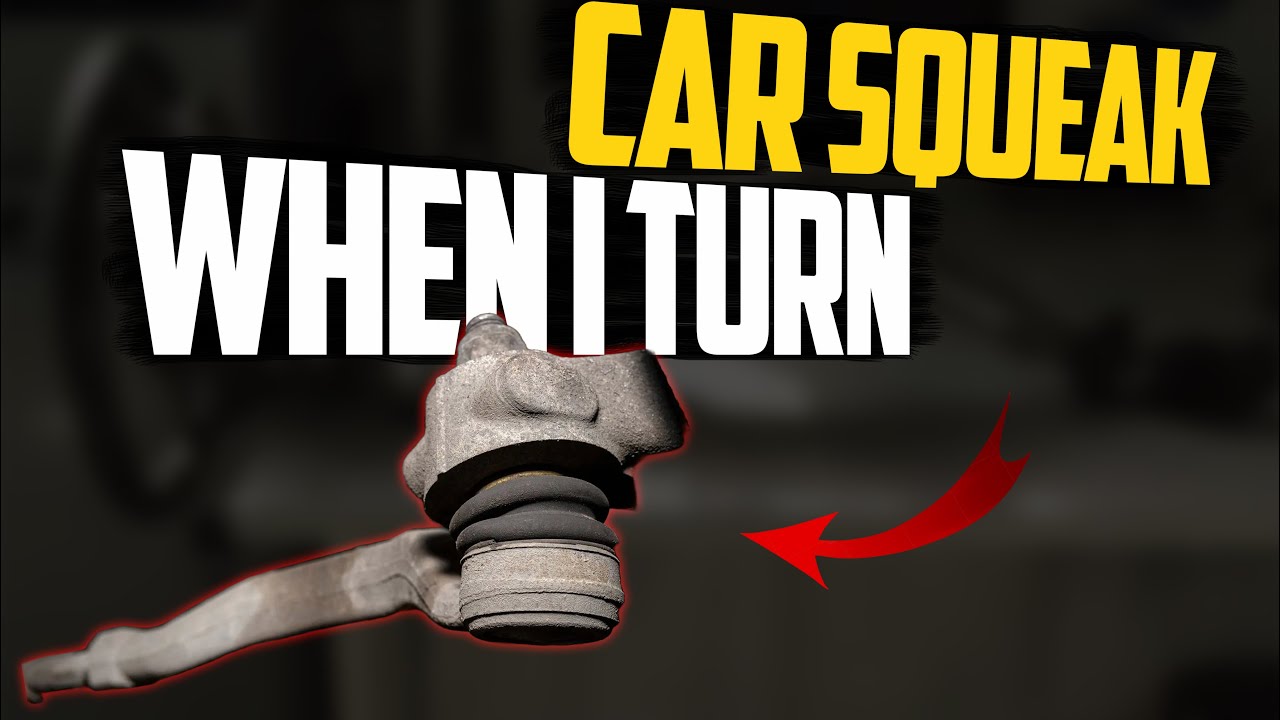
Quick Diagnostic Guide You Can Do At Home
You can learn a lot in ten minutes. Keep it safe, use blocks, and set the brake. If you wonder why my car squeaks when i turn, follow these steps.
Simple tests:
- Park in a quiet lot. Windows down. Turn the wheel in place. Listen.
- Turn slowly in circles, both ways. Note which side squeaks.
- Tap the brakes during a turn. If the squeak changes, look at the brakes.
- Lightly mist the serpentine belt with water. If the sound stops for a short time, the belt is suspect.
- Check power steering fluid, if your car has it. Look for low level or dark fluid.
- Bounce each corner by hand. A dry squeak here points to bushings or strut mounts.
- Look at the tires and liners. Any bright scrub marks mean rub.
- Inspect CV boots. Tears or grease spray point to a worn joint.
Tools that help:
- A flashlight and gloves.
- A cheap mechanic’s stethoscope or a length of hose to listen.
- Tire chalk to check for rub marks.
- A spray bottle with water for the belt test.
One more tip. Record the sound on your phone. Share it with a tech. It speeds up the fix and settles why my car squeaks when i turn.
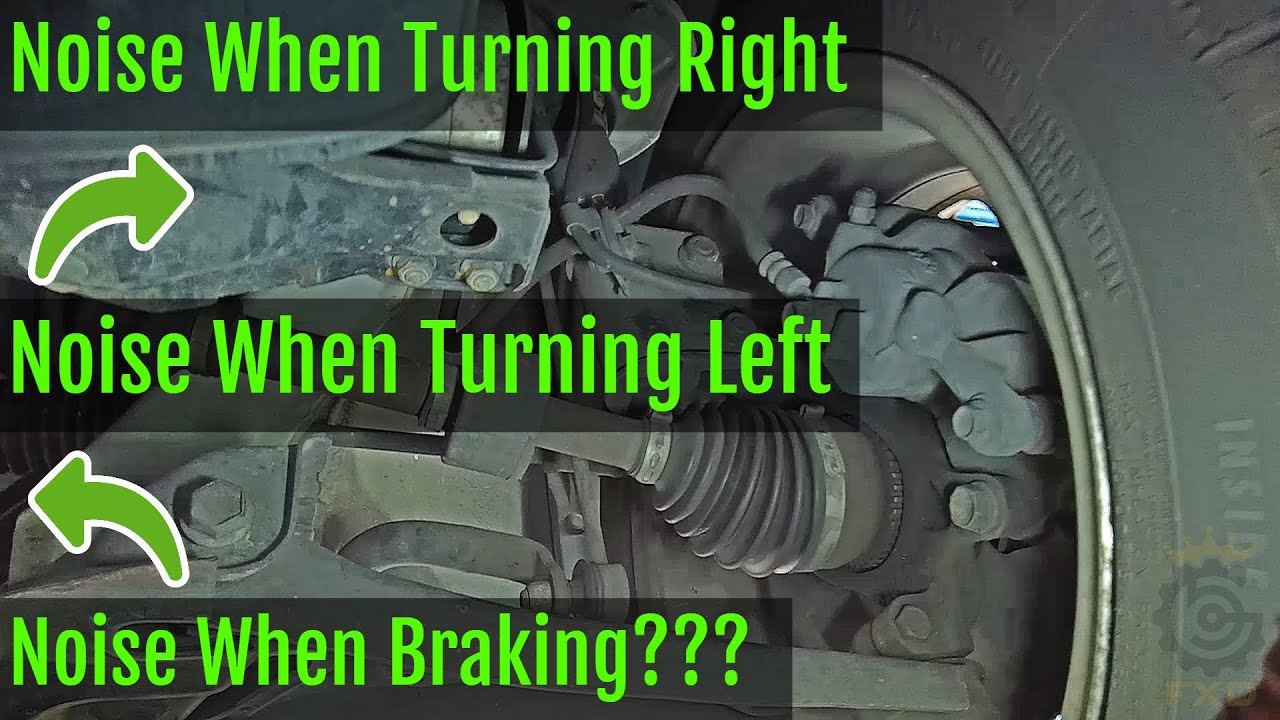
Common Causes and How to Confirm
Your list of likely causes is short. Use these checks to land on the right one. If you still ask why my car squeaks when i turn, this section links sound to part.
Low or old power steering fluid
- Signs. Moan or squeal at low speed, worse at full lock.
- Check. Level, color, and smell. Dark or burnt fluid needs a change.
- Fix. Top with the exact spec fluid. Bleed air by turning lock to lock, engine on. If noise stays, the pump or rack may be worn.
Electric power steering noise
- Signs. Light chirp or click in the column or motor area.
- Check. Scan for codes. Look for technical service bulletins for your model.
- Fix. Often needs a software update or a part swap by a pro.
Worn serpentine belt or pulley
- Signs. Sharp squeal that rises with revs when you turn.
- Check. Belt cracks, glazing, or fray. Spin idlers by hand for grit or play.
- Fix. Replace belt and any noisy idler or tensioner. Set correct belt path and tension.
Dry suspension bushings
- Signs. Short squeak over small turns or bumps.
- Check. Sway bar and control arm bushings for cracks. A quick water or silicone-safe spray test can mute the squeak for a bit.
- Fix. Lube is a short fix only if the part allows it. Worn bushings need replacement.
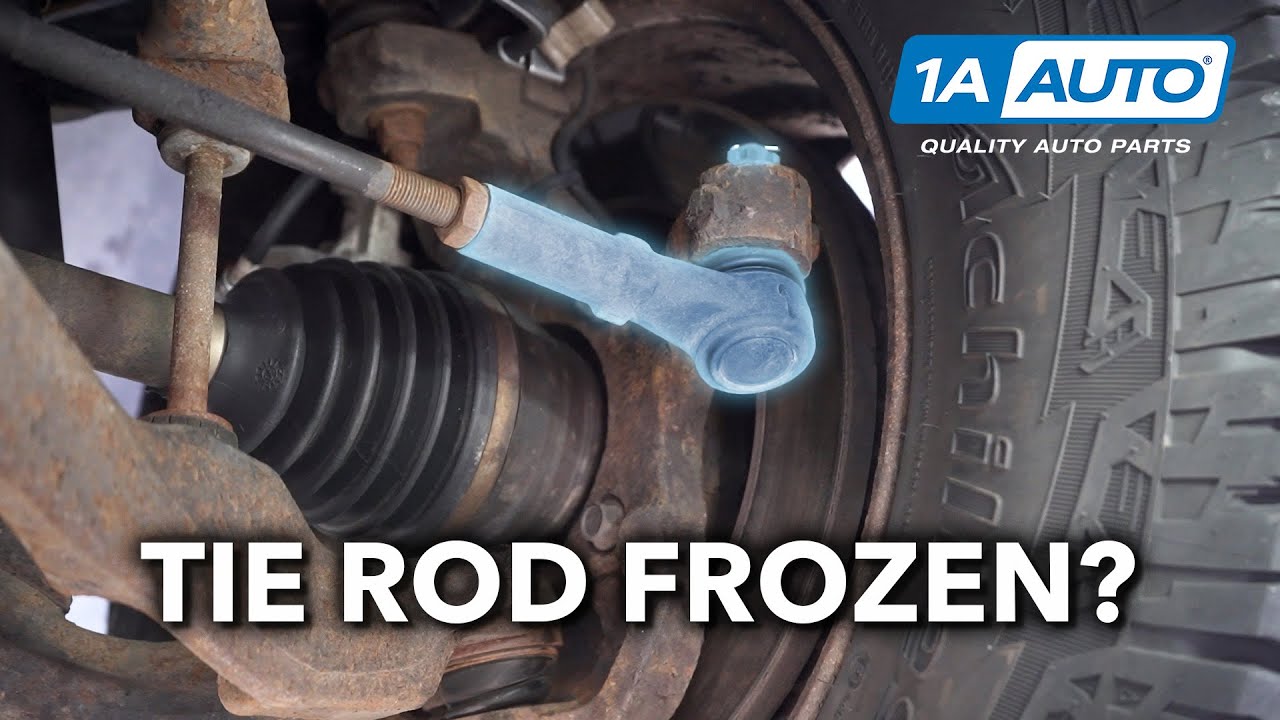
Ball joints and tie rod ends
- Signs. Chirp or creak when you steer or go over ramps. Loose feel.
- Check. Wheel off the ground, pry test for play. Torn boots or lost grease are red flags.
- Fix. Replace the joint and set alignment. This is a safety item.
Strut mount bearings
- Signs. Groan or rubbery squeak while turning at a stop.
- Check. Put a hand on the spring as someone turns the wheel. Feel for bind and jump.
- Fix. Replace the mount and bearing. Often done with struts in pairs.
Brake wear indicators or dust shields
- Signs. Squeal starts when moving and gets louder with speed or during light brake use.
- Check. Look for thin pads or a bent dust shield touching the rotor.
- Fix. Replace pads and hardware if worn. Bend the shield back to clear the rotor.
Outer CV joint
- Signs. Repeated chirp or click on tight turns, more under power.
- Check. Torn boot, grease sling inside the wheel, or a click that tracks wheel speed.
- Fix. Replace the axle or joint. Delay can lead to failure.
Wheel bearing
- Signs. Growl or steady squeal that changes with a turn to one side.
- Check. Wheel play and rough spin by hand if safe to do. Road test sway test helps.
- Fix. Replace the hub or bearing. Recheck torque.
Tire rub or loose liner
- Signs. Squeak or scrape when you turn hard or hit a bump.
- Check. Bright rub marks on tire shoulder or liner. Check ride height and wheel offset.
- Fix. Refasten the liner, trim broken clips, or pick correct tire size and offset.
I often hear why my car squeaks when i turn after rain or a wash. Water can wake dry bushings or glaze pads. That helps you trace the path to the fix.
When Is It Unsafe To Drive?
It is smart to stop and check if any of these show up. If you feel panic and ask why my car squeaks when i turn and also pulls or binds, do not wait.
Red flags:
- Steering gets stiff or jerky.
- Burning rubber smell or smoke near the belt area.
- Brake pedal feels soft, or the car pulls when braking.
- Loud click or clunk that gets worse fast.
- A warning light for steering or brakes.
If any of these hit, park the car. Tow it if needed. A small squeak can turn into a big bill or a safety risk.
Source: youtube.com
DIY Fixes vs Professional Repairs
If you still wonder why my car squeaks when i turn, match the fix to your skill and tools.
DIY friendly:
- Top up power steering fluid with the exact spec and bleed the air.
- Replace a worn serpentine belt and a noisy idler or tensioner.
- Bend a brake dust shield back from the rotor.
- Clean and lube brake slide pins with the right grease.
- Light lube on sway bar bushings only if the rubber type allows it.
Leave to a pro:
- Ball joints, tie rod ends, and control arms need an alignment after.
- CV axles and wheel bearings need press tools and torque specs.
- Strut mount bearings and springs need a safe spring compressor.
- Electric power steering faults need scan tools and service data.
Typical US cost ranges:
- Belt and tensioner. 150 to 450 dollars.
- Power steering pump or rack. 400 to 1,800 dollars.
- Control arm or ball joint. 250 to 900 dollars each corner.
- Strut mount and strut. 400 to 1,200 dollars per axle.
- CV axle. 250 to 700 dollars per side.
- Wheel bearing hub. 250 to 600 dollars per side.
- Brake pads and hardware. 180 to 450 dollars per axle.
Prices vary by car, parts, and region. Ask for an itemized quote and a 12 month or more warranty.

Source: reddit.com
Preventive Maintenance Checklist
The best way to beat why my car squeaks when i turn is to get ahead of it. Small care beats big repair.
Do this each oil change:
- Check belt wear and pulley play.
- Inspect power steering fluid or EPS boots and wiring.
- Look at pad thickness and dust shields.
- Inspect bushings, joints, and boots for tears or leaks.
- Verify tire size, offset, and wheel well clearances.
- Wash brake dust from wheels and shields to cut squeal.
- Grease serviceable joints if your car has them.
Seasonal tips:
- After rain or a wash, a short squeak can be normal. It should fade as parts dry.
- Cold can stiffen bushings. A brief cold start squeak can pass. Long squeaks are not normal.
- Road salt speeds wear on bushings and shields. Rinse the underbody in winter.

Real-World Examples From The Shop
These quick stories show how I trace why my car squeaks when i turn to a fix.
- A compact sedan had a sharp chirp at parking speeds. Water on the belt stopped it for a minute. A new belt and tensioner ended the noise.
- An SUV squeaked only on right turns over small bumps. Sway bar bushings were dry and cracked. New bushings made it silent.
- A coupe had a squeal that rose with brake use in turns. The rear dust shield touched the rotor. A small bend and a pad service fixed it.
- A crossover clicked on tight left turns. The outer CV boot was torn. A new axle solved it.
- An EV had a light chirp in the column. A software update for the EPS unit cleared it.
Each case started with a clear note set. Speed, wheel angle, side, and weather. That is how you solve why my car squeaks when i turn fast and right.
Frequently Asked Questions of why my car squeaks when i turn
Why does my car squeak only when I turn the wheel at a stop?
That points to steering, a belt, or a strut mount bearing. Check fluid level, belt wear, and the top strut mount while someone turns the wheel.
Why does it squeak when I turn left but not right?
Side specific squeaks often come from bushings, dust shields, or a CV joint on that side. Turn in a tight circle both ways to compare and confirm the side.
Can cold weather cause a squeak when turning?
Yes, rubber bushings and belts get stiff in the cold. A short cold squeak can fade as parts warm, but long or loud squeaks need a check.
Will a spray like WD-40 fix the squeak?
It may mute it for a short time, but it can harm rubber. Use the right grease or replace worn parts for a lasting fix.
How much does it cost to fix a turning squeak?
It can be as low as a belt at 150 dollars or as high as a rack at 1,800 dollars. A simple inspection narrows it fast and saves money.
Can poor alignment cause a squeak when turning?
Alignment itself does not squeak, but it can cause tire rub or stress parts. If you see rub marks, fix the cause and set the alignment.
Conclusion
A turning squeak is a clue, not a mystery. Track when it happens, match the sound to the system, and you will solve why my car squeaks when i turn without guesswork. Start with the simple checks, note what changes the sound, and act before small wear becomes a big bill. If a safety sign shows up, park it and call a pro.
Use this guide, fix the cause, and enjoy a quiet, safe drive. Want more tips like this or have a tough case of why my car squeaks when i turn? Subscribe for updates or drop your question in the comments.