

Most water drips are normal A/C condensation, but some point to coolant or seal problems.
You are not alone in asking why is water leaking from my car. I have spent years chasing leaks on daily drivers and work trucks. Some drips are harmless.
Others hint at bigger faults. In this guide, I explain why is water leaking from my car in clear steps. You will see how to tell normal from risky leaks, how to test at home, and when to seek help.
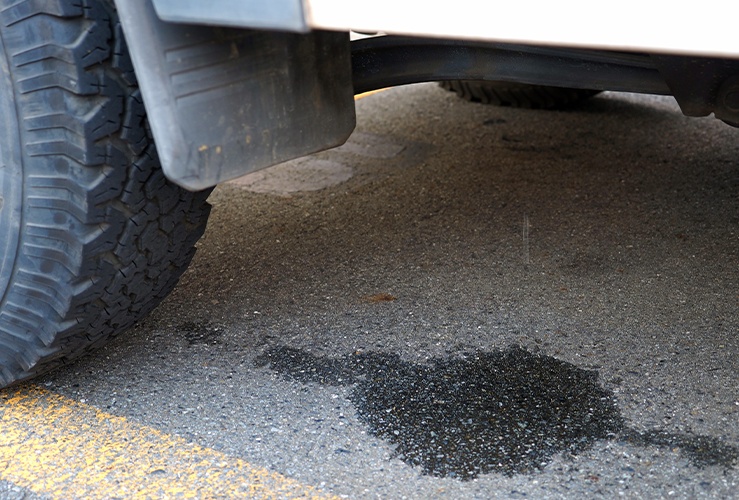
Is it really water? Simple checks to confirm
Before you worry, make sure the fluid is water. Many drivers say water, but it is coolant, washer fluid, or even fuel. A fast check can save time and stress.
Try these quick tests:
- Look at color. Pure water is clear. Coolant is often green, orange, pink, or yellow. Washer fluid is blue or green. Oil is brown or black.
- Smell it. Coolant smells sweet. Washer fluid smells like alcohol. Fuel has a sharp smell. Brake fluid smells oily. Water has no strong smell.
- Feel it. Water dries fast and feels thin. Oil is slick. Coolant feels a bit sticky. Washer fluid feels like water but has scent.
- Use a white paper towel. Dab the drip. Note the color left behind.
- Slide clean cardboard under the car overnight. Check spot shape and location in the morning.
If you keep asking why is water leaking from my car, start here. These steps help you sort harmless drips from leaks that need repair. Most shops use the same method, plus a pressure test when needed.

Normal water under your car: when you can relax
Not every puddle is bad news. Cars make water in normal use.
Common harmless causes:
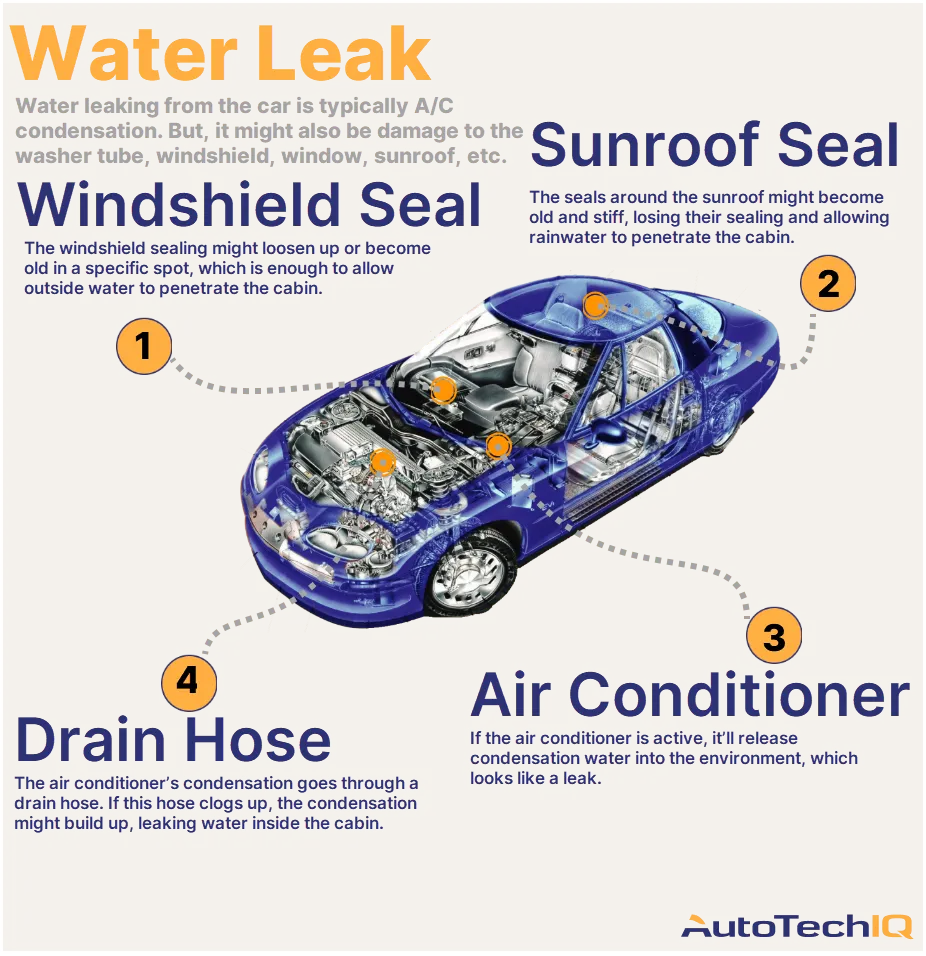
- A/C condensation. On hot or humid days, water drips under the passenger area. A small puddle is normal.
- Exhaust condensation. Water vapor forms at the tailpipe when the engine is cold. Small drips stop as the engine warms up.
- Rain runoff. After rain or a car wash, water drains off the body panels and splash shields for hours.
- Heat-pump or battery chiller on some EVs. These systems also make safe condensation.
If the question why is water leaking from my car pops up after a long A/C drive, this is likely why. You should see clear water with no smell. The engine temperature should be normal.
Source: autotechiq.com
Abnormal causes of water leaks and how they look
Sometimes water gets where it should not. Here are the usual suspects I find in the shop and what to look for.
Clogged A/C evaporator drain
Water backs up and soaks the front passenger carpet. You may see drips from behind the dash. The A/C may smell musty. A quick drain tube clean often fixes it.
Sunroof or cowl drain blockage
Leaves and dirt plug tiny drains. Water runs into the A-pillars, headliner, or footwells. You may hear sloshing after rain. Clean drains with gentle line, not high air pressure.
Leaking windshield or rear glass seal
After rain, the dash or rear shelf gets damp. The drip often follows the glass edges. A reseal or refit may be needed.
Door vapor barrier failure or bad weatherstrips
Water enters through the door and should drain out. If the inner barrier fails, water spills onto the sill and carpet. Look for wet lower door panels after rain.
Cabin air filter housing or HVAC case seal
A warped lid or bad seal lets water enter the blower area. The filter looks wet and dirty. Replace the seal and check the cowl drains.
Trunk leaks: tail lamp gaskets and body vents
Water pools in the spare tire well. Tail light gaskets and rear body vents are common points. Look for water trails near lamp studs.
Washer system leaks
This is not pure water. Fluid is tinted and smells like alcohol. Cracked reservoirs or hoses leak near the bumper or fender.
Coolant leaks mistaken for water
A sweet smell and color gives it away. Common sources are radiator end tanks, hoses, water pump, heater core, or the reservoir. If you asked why is water leaking from my car but find color, it is coolant, not water.
Heater core leak
The windshield may fog inside. The carpet smells sweet. The coolant level drops. This is a safety and health issue and needs a repair soon.
Head gasket or engine issues
White smoke, milky oil, and overheating suggest coolant entering the engine. This is not simple water. Stop driving and get a test at once.
If you still wonder why is water leaking from my car after checking these, a shop can run a pressure test or use UV dye. That confirms the source fast.
Step-by-step diagnosis you can do at home
You can find many leaks with simple tools. Keep it safe, use gloves, and work on a cool car.
Follow these steps:
- Park on level ground. Place clean cardboard under the engine and cabin.
- Note the leak location. Front, middle, rear, left, or right side matters.
- Check the fluid. Look, smell, and feel. Use a white towel test.
- Run the A/C for 10 minutes. Watch for drips near the passenger side. Clear water here is normal.
- Spray the car with a hose. Focus on the windshield base, roof, doors, and tail lights. Look inside for new drips.
- Inspect carpets and mats. Press a paper towel into the carpet. Damp areas mark the trail.
- Remove and check the cabin air filter. A wet filter points to cowl or housing leaks.
- Check coolant level cold. If low, top up with the right mix and watch for loss.
- Look at the heater core area. Any wetness near the front footwells needs a closer look.
- If unsure, ask a shop for a cooling system pressure test. It is quick and very accurate.
These steps answer why is water leaking from my car in most cases. They also help you speak with a mechanic in clear terms.
When to stop driving and call a pro?
Some signs mean you should not drive. Safety comes first.
Watch for:
- Overheating or a rising temp gauge. Pull over and shut off the engine.
- Sweet smell, colored drips, or fast coolant loss. This can cause engine damage.
- Steam, white smoke, or milky oil. These suggest internal engine leaks.
- Wet airbags or soaked wiring under the dash. This can harm safety systems.
- Strong fuel smell or brake fluid leaks. Do not drive. Get a tow.
When you face an urgent case of why is water leaking from my car, seek help fast. A short tow can save a big repair.
Common repairs and typical costs
Actual prices vary with the car and location. These ranges reflect what I see often.
Potential fixes:
- Clear A/C drain and clean case: $80–$180
- Sunroof or cowl drain clean and reseal: $100–$250
- Door vapor barrier reseal: $120–$300 per door
- Windshield or rear glass reseal/refit: $150–$400
- Cabin air filter housing seal: $80–$200
- Tail light gasket or rear vent replacement: $100–$250
- Coolant hose or clamp: $50–$200
- Radiator replacement: $350–$900
- Water pump: $350–$900
- Heater core: $600–$1,500
- Head gasket: $1,500–$3,500+
If you came here asking why is water leaking from my car, match your symptoms to this list. It helps set budget and plan next steps.
Prevent leaks with simple care habits
A few habits stop most water leaks before they start. They take little time and pay off.
Do this on a schedule:
- Keep the cowl area clean. Clear leaves and dirt at each wash.
- Replace the cabin air filter every 12–24 months. Check the housing seal.
- Flush and refill coolant as the maker suggests. Use the right type.
- Inspect weatherstrips and door seals twice a year. Clean and treat with silicone.
- Gently clear sunroof drains with trimmer line. Avoid high-pressure air that can pop hoses.
- Run the A/C weekly, even in winter. This keeps seals and drains in shape.
- Check for damp carpets after big storms. Early signs are easier to fix.
Many readers stop asking why is water leaking from my car once these habits stick. The car stays dry, and mold does not stand a chance.
Real cases from the shop: what fixed them
I learn most from field work. Here are a few wins that may mirror your case.
Case 1: Wet passenger carpet on hot days
The A/C drain was clogged with pollen. I cleared the tube and rinsed the case. The owner stopped asking why is water leaking from my car on day one.
Case 2: Damp trunk and foggy rear glass after rain
Tail light gaskets were flat. I replaced them and resealed the studs. The spare tire well stayed dry.
Case 3: Sweet smell and clear “water” near the front
The “water” was pink coolant from a cracked plastic radiator tank. A new radiator and hoses solved it. We also set the right coolant mix.
If any of these sound familiar, you have a path to fix your own why is water leaking from my car problem.

Frequently Asked Questions of why is water leaking from my car
Why is water leaking from my car after I run the A/C?
That is likely normal A/C condensation. Clear, odorless water under the passenger area is expected, especially in warm or humid weather.
Why is water leaking from my car into the passenger footwell?
A clogged A/C drain or a cowl leak is common. Check the drain tube and the cabin filter housing seal first.
Why is water leaking from my car only when it rains?
Sunroof drains, windshield seals, or door vapor barriers may be failing. Spray the car with a hose to find the entry point.
Why is water leaking from my car but the coolant level is fine?
It may be harmless condensation or rain runoff. If the fluid is clear and odorless, it is likely not coolant.
Why is water leaking from my car near the tailpipe?
Cold exhaust makes water vapor that can drip. This stops once the exhaust warms and is usually normal.
Can a head gasket cause what looks like a water leak?
Yes, but it is coolant, not pure water. Look for white smoke, sweet smell, or milky oil as warning signs.
Is it safe to drive with a small water leak?
If it is clear, odorless A/C water, yes. If there is color, smell, overheating, or wet electronics, do not drive until checked.
Conclusion
Most drivers can trace a water leak with a few simple checks. Confirm the fluid, map the drip, and match the pattern to common causes. Fixes range from a quick drain clean to a seal or radiator repair. With this guide, you can answer why is water leaking from my car with confidence and act fast.
Take the next step today. Do the cardboard test, check your cabin filter, and clean the cowl. If you found this helpful, share it with a friend, subscribe for more car care tips, or leave a comment with your leak story.