

The brake light is on due to low fluid, parking brake, or system faults.
If you’re asking why is the brake light on in my car, you’re right to take it seriously. I’ve spent years diagnosing this exact warning in driveways and shops, and I’ll walk you through what it means, what to check first, and when to stop driving.
This guide explains why is the brake light on in my car in clear steps, with real examples and expert tips you can use today.
What the brake light usually means on your dashboard?
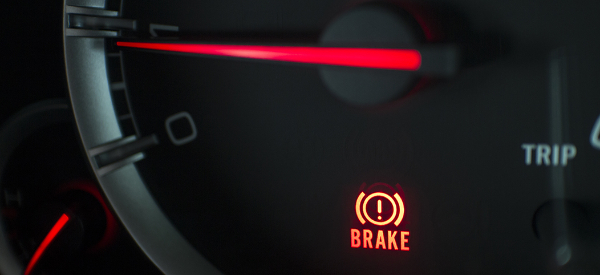
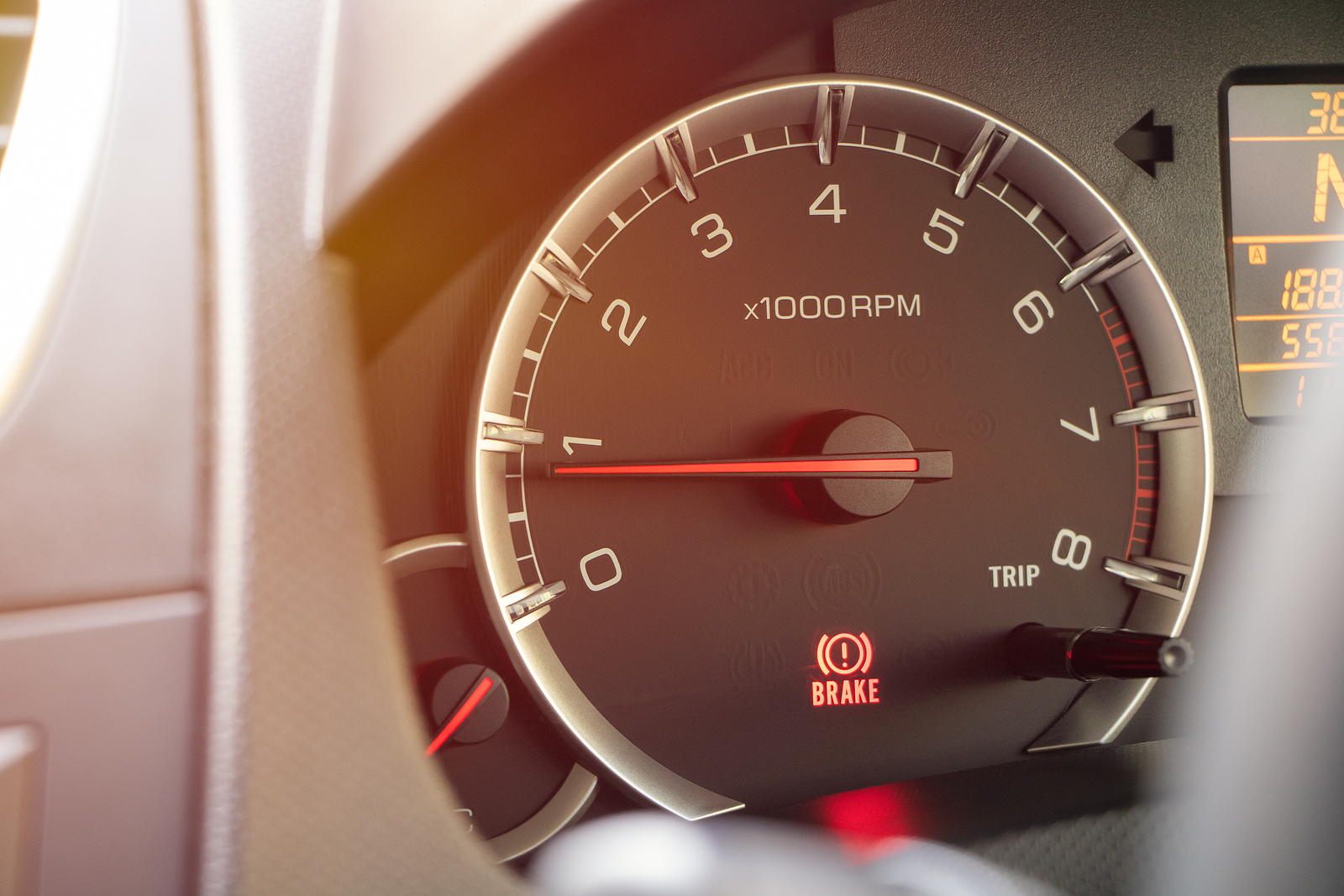
When drivers ask why is the brake light on in my car, they often picture a red icon. It may say BRAKE, or show a red circle with an exclamation point.
This light signals a problem in the hydraulic brake system or a set parking brake. It is not the same as the amber ABS light. It is also different from a bulb-out warning.
Most cars use:
- Red BRAKE light: Parking brake on, low fluid, or pressure fault. Treat as urgent.
- Amber ABS light: Anti-lock system fault. Brakes still work, but ABS may not.
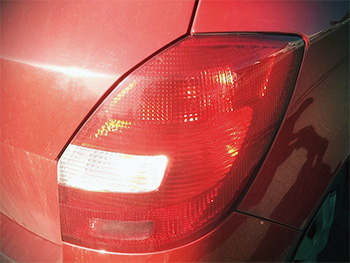
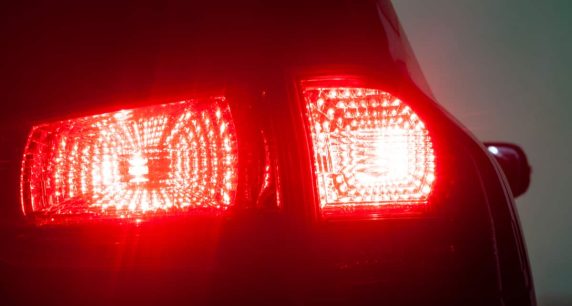
- Bulb-out or brake lamp warning: A tail lamp or center high mount light is out.
If you’re unsure why is the brake light on in my car, check the owner’s manual. It shows the exact icon and what it means for your model. Many cars will also sound a chime if the parking brake is on. Modern models may show a message in the cluster.

Common reasons the brake light is on
I hear “why is the brake light on in my car” weekly. Nine times out of ten, the cause is simple. The rest can be serious. Here are the usual suspects:
- Parking brake not fully released: Even one click can set the light. Push the pedal or lever fully down.
- Low brake fluid level: The float sensor in the reservoir trips the light. Pads may be worn or there may be a leak.
- Worn brake pads: As pads wear, caliper pistons extend and fluid stays in the calipers. The reservoir drops.
- Fluid leak: Wet spots near wheels, lines, or the master cylinder point to a leak. This is urgent.
- Faulty brake fluid level sensor: The sensor can stick. A light tap may unstick it, but replace if faulty.
- Master cylinder or booster problem: The light can set with pressure or vacuum issues.
- ABS module interactions: Some cars trigger the red BRAKE light when ABS faults are severe.
- Brake pad wear sensor tripped: Common on European cars. It may show a pad wear message or trigger the BRAKE light.
- Brake lamp bulb-out indicator: Some cars combine messages, causing confusion with the red light.
If you wonder why is the brake light on in my car after rain or a wash, water in a connector can set a false code. It clears as it dries, but you should still inspect.
Is it safe to drive when the brake light is on?
Safety comes first. When drivers ask why is the brake light on in my car, I split risk into three levels:
- Red BRAKE light on, pedal feels normal: Drive only a short distance to a safe spot. Check fluid and the parking brake.
- Red BRAKE light on, pedal feels soft or sinks: Do not drive. This points to a leak or master cylinder issue. Tow the car.
- Red BRAKE light plus other warnings or grinding noises: Stop. You may have pad failure or severe damage.
If the ABS light is on but the red BRAKE light is off, the car can stop. But ABS may not work in a panic stop. Keep more distance and avoid high speeds.
Quick checks you can do right now
When you need a fast answer to why is the brake light on in my car, start with simple steps. You can do most of these in minutes.
- Make sure the parking brake is off: Push the pedal down and release. Or lift and lower the lever. On electronic brakes, ensure the switch shows released.
- Check brake fluid level: Open the hood. Find the master cylinder reservoir on the driver side firewall. The level should be between MIN and MAX.
- Top up only with the correct fluid: Use DOT 3, DOT 4, or DOT 5.1 as labeled on the cap. Do not mix DOT 5 silicone with other types.
- Look for leaks: Check inside each wheel for wet spots. Look along brake lines and the inside of each tire.
- Test the pedal feel: With the engine off, press the pedal. It should get firm. If it sinks, do not drive.
- Scan for codes if you can: A basic OBD-II scanner may read ABS on some cars. A pro scanner is best for ABS modules.
One more tip. If pads are worn, topping off fluid may hide a low-level warning. When pads get replaced, the fluid can overflow. Keep the level near the MAX line, but do not overfill.

DIY diagnosis and simple fixes
For many drivers asking why is the brake light on in my car, a simple fix solves it. Try these basic DIY steps if you feel safe working on your car.
- Reseat the reservoir cap: A loose cap can trigger the sensor. Clean the seal and close it tight.
- Clean the fluid level sensor float: If serviceable, clean it with brake cleaner. Do not use harsh solvents.
- Adjust or repair the parking brake: Stuck cables or misadjusted levers can keep the light on.
- Replace a worn brake pad wear sensor: If your car uses one, a broken wire can set the warning.
If the light returns, take it as a real warning. Do not clear codes and ignore them. Brakes are life safety.
When you should see a mechanic
- The pedal is soft, sinks, or feels spongy.
- The brake fluid drops again after a top-up.
- You hear grinding, scraping, or metal-on-metal sounds.
- The red BRAKE light and ABS light both stay on.
- You see leaks or the car pulls to one side when braking.
A shop can pressure test the system, inspect all corners, and bleed brakes. They can also read ABS module codes many basic scanners miss.
Understanding similar lights and messages
Many readers who ask why is the brake light on in my car mix up three things: the red BRAKE light, the ABS light, and a lamp-out indicator. Here is how to keep them straight:
- Red BRAKE: Hydraulic issue or parking brake applied. Stop to check.
- ABS: Anti-lock system fault. Normal brakes likely work. ABS may be off.
- Brake lamp warning: A rear bulb is out. Brakes work, but replace the bulb.
On some cars, low brake vacuum can set the BRAKE light during cold starts. On hybrids and EVs, the car may show a service brake system message instead. Always confirm with the owner’s manual.

Typical repair costs
It helps to set a budget when you ask why is the brake light on in my car. Costs vary by car and city. These are rough US ranges:
- Brake fluid top-up and inspection: 0 to 50 dollars.
- Brake fluid flush: 90 to 180 dollars.
- Pad and rotor replacement (one axle): 250 to 600 dollars.
- Leak repair (hose, line, caliper): 150 to 600 dollars per corner.
- Master cylinder replacement: 250 to 600 dollars.
- ABS diagnosis and repairs: 120 to 1,000+ dollars, depending on parts.
Fix the root cause. Do not mask a leak by topping off fluid again and again.
Preventive steps to avoid the light
A plan beats a panic. If you want to stop asking why is the brake light on in my car, use these habits:
- Check fluid at every oil change: Keep it at the MAX line. Watch for slow drops.
- Replace brake fluid every 2 to 3 years: Moisture raises boiling point and harms parts.
- Inspect pads and rotors every 10,000 miles: Catch wear before it becomes damage.
- Rinse salt and mud from brakes: Road salt speeds up line and caliper corrosion.
- Use quality parts: Cheap pads can crumble or glaze and trigger heat issues.
- Keep the parking brake exercised: Use it weekly. This keeps cables free.
A little care keeps the system safe and your warning light off.
Real stories from the bay
Here are quick cases that answer why is the brake light on in my car in real life:
- The almost-empty reservoir: A driver came in with the BRAKE light on and a normal pedal. Pads were worn to 2 mm. New pads and rotors fixed it. The fluid level returned to normal.
- The hidden leak: Another driver topped off fluid twice in a month. The rear wheel cylinder was wet. A 150-dollar part avoided a full brake failure.
- The stuck parking brake switch: The light stayed on after a car wash. The pedal switch was wet and sticky. A dry-out and tiny switch tweak solved it.
Small clues matter. Follow the fluid. Test the pedal. Listen to sounds. These simple checks tell the story fast.
Frequently Asked Questions of why is the brake light on in my car
Why is the brake light on in my car after I released the parking brake?
The switch may be stuck or the cable is not fully released. Check the lever or pedal travel and ensure the light goes off when fully down.
Why is the brake light on in my car when I brake hard?
Low fluid can trigger the sensor as fluid sloshes in the reservoir. Fill to the MAX line and inspect pads and lines for leaks.
Why is the brake light on in my car and the ABS light on too?
That can mean a severe fault or low system pressure. Do not drive far; get a scan and a full brake inspection.
Why is the brake light on in my car but the brakes feel fine?
The reservoir level may be low from pad wear or a minor leak. Check the level now and plan a pad and rotor check soon.
Why is the brake light on in my car after changing pads?
The fluid level sensor may need a reset, or the reservoir was overfilled during service. Verify the fluid level and ensure connectors are seated.
Why is the brake light on in my car only on hills or corners?
The fluid is likely near the MIN line and moves away from the sensor on slopes. Top up with the correct DOT fluid and inspect for slow leaks.
Conclusion
A red BRAKE light is your car’s way of asking for care now, not later. If you came here asking why is the brake light on in my car, you now know the top causes, the quick checks, and the safe next steps. Act early, fix small issues, and keep your brakes strong.
Take five minutes today to check fluid, confirm the parking brake, and scan for codes if you can. If something feels off, book a brake inspection. Want more practical guides like this? Subscribe for fresh, simple car care advice every week.