

Most exhaust smoke points to coolant, oil, or fuel problems that need quick checks.
If you are asking why is my car smoking from the exhaust pipe, you are in the right place. I have diagnosed hundreds of these cases in the shop. Some smoke is normal. Most is a warning. In this guide, I explain causes, simple tests, and fixes so you know what to do and what to avoid.
What the color of exhaust smoke tells you?
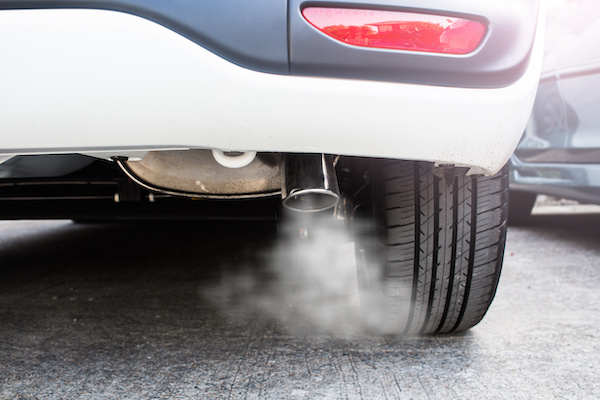
Color and smell give fast clues. This is the first step when you wonder why is my car smoking from the exhaust pipe. Look at the color in daylight and note any odor.
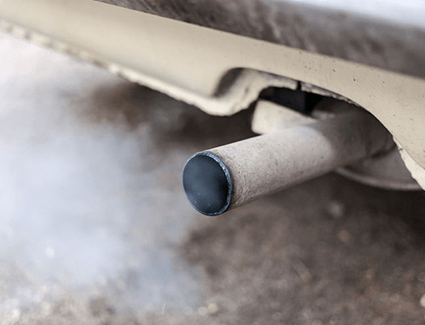
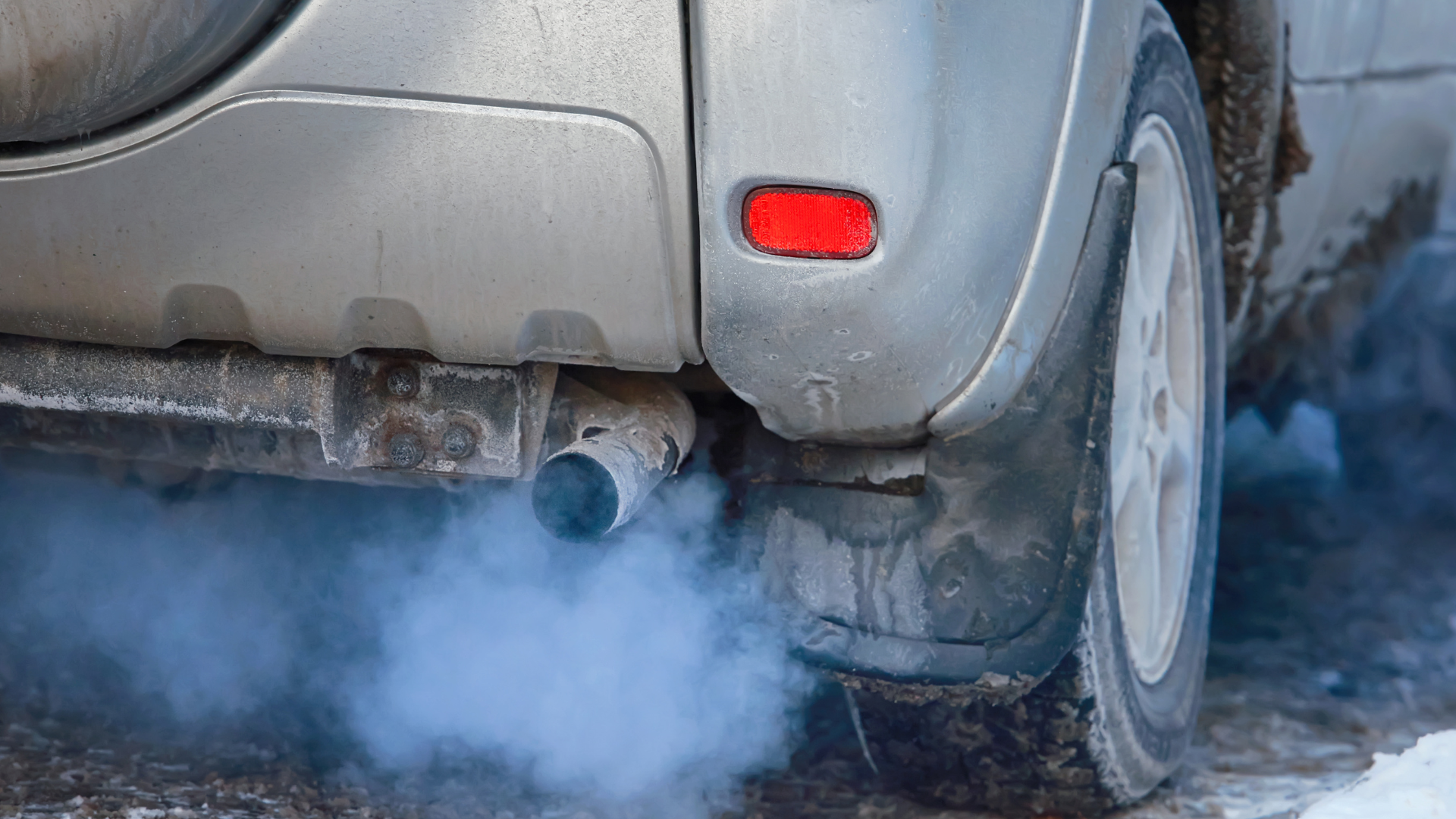
- Thin white steam on a cold start is normal condensation. It fades as the engine warms.
- Thick white smoke with a sweet smell means coolant is burning. Think head gasket, cracked head, or EGR cooler.
- Blue or bluish gray smoke means oil is burning. It can be worn rings, valve seals, or a turbo seal.
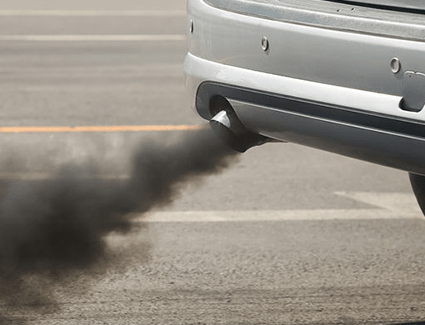
- Black smoke means too much fuel or not enough air. This points to a rich mixture, bad sensor, clogged air filter, or leaky injectors.
- Gray smoke can mean oil or transmission fluid via a bad vacuum modulator or PCV issue. It can also be a turbo problem.
Use your nose too. Sweet smell hints at coolant. Oily smell hints at oil. Sharp fuel smell hints at a rich mixture. Together, these signs help answer why is my car smoking from the exhaust pipe before you spend money.
Common causes and how to confirm each
Let’s match the smoke to likely faults. This will narrow down why is my car smoking from the exhaust pipe.
Thick white smoke (coolant)
- Likely causes: blown head gasket, cracked head, warped head, intake gasket, failed EGR cooler (many diesels).
- Quick checks:
- Check coolant level and look for oil in coolant or milkshake-like oil under the cap.
- Watch the coolant reservoir for bubbles when revving. That can show combustion gas in the system.
- Look for a sweet smell and white residue at the tailpipe.
- Cold pressure test the cooling system to find leaks.
- Pro tip: A block test can confirm combustion gas in coolant.
Blue or bluish gray smoke (oil)
- Likely causes: worn piston rings, worn valve stem seals, PCV valve stuck, turbo seal leak.
- Quick checks:
- Watch when the smoke happens. On startup or after idling, think valve seals. Under hard accel, think rings or turbo.
- Pull the PCV valve and shake it. If stuck, replace it.
- Check the turbo inlet and outlet for oil. Check turbo shaft play.
- Do a compression or leak-down test for ring health.
Black smoke (excess fuel)
- Likely causes: clogged air filter, bad MAF sensor, stuck injector, high fuel pressure, bad oxygen sensor, performance tune, or vacuum leaks on some systems.
- Quick checks:
- Inspect and replace a dirty air filter.
- Scan fuel trims. High negative trims suggest rich mix.
- Check MAF readings at idle and under load.
- Look for fuel in the vacuum line on older fuel pressure regulators.
Gray smoke (mixed or ATF)
- Likely causes: PCV system fault, turbo oil seal, older transmission vacuum modulator drawing ATF (classic cars), or oil burning without a clear blue tint.
- Quick checks:
- Check PCV hoses for oil and sludge.
- For older cars with vacuum modulators, look for ATF in the vacuum line.
- Inspect turbo for oil tracks and excess play.
These checks keep you focused. They turn a broad search into a clear plan and help you answer why is my car smoking from the exhaust pipe with confidence.

Quick diagnosis checklist you can do at home
You can do a lot with simple tools and careful notes. This helps confirm why is my car smoking from the exhaust pipe.
- Note when it smokes. Cold start, idle, cruise, or hard accel.
- Note color and smell. White sweet, blue oily, black fuel, gray mixed.
- Check oil and coolant levels. Mark them and recheck in a week.
- Look for leaks under the car and on engine covers.
- Replace the air filter if dirty.
- Check the PCV valve and hoses for clogging or oil.
- Use a scan tool if you have one. Read fuel trims and misfire counts.
- Photograph the smoke. It helps a mechanic see what you see.
Be safe. Work on a cool engine. Keep loose clothes away from belts and fans.
When smoke is normal and when it is not?
Not all smoke means trouble. Knowing the difference also answers why is my car smoking from the exhaust pipe.
- Normal:
- Thin white steam on cold mornings that fades in minutes.
- A few drops of water from the tailpipe as the exhaust warms.
- Not normal:
- Thick white clouds that do not fade.
- Blue smoke at start-up or under acceleration.
- Black smoke when cruising or idling.
- Any smoke with a strong sweet or burning oil smell.
If in doubt, record a short video. Share it with your shop.

Risks of driving with smoking exhaust
Driving can make damage worse. It also helps to explain why is my car smoking from the exhaust pipe and why delay costs more.
- Coolant smoke risks: overheating, warped head, hydrolock, catalytic converter damage.
- Oil smoke risks: low oil level, engine wear, fouled plugs, O2 sensor and catalyst damage.
- Rich fuel smoke risks: cylinder wash, poor MPG, converter melt, fire risk if raw fuel leaks.
- Legal and safety risks: emissions failure, reduced visibility, and towing costs.
If smoke is heavy or constant, stop and get help.
Fixes by scenario
Here are common repairs matched to the smoke type. This section gives direct answers to why is my car smoking from the exhaust pipe.
- Coolant burning:
- Replace failed head gasket, resurface head if warped.
- Replace EGR cooler on affected diesels.
- Fix intake gasket leaks.
- Always bleed air from the cooling system after repair.
- Oil burning:
- Replace PCV valve and clean hoses.
- Replace valve stem seals if smoke shows after idle or start.
- Rebuild or replace turbo if seals are leaking.
- Engine rebuild for worn rings if tests confirm low compression.
- Rich fuel:
- Replace clogged air filter.
- Clean or replace MAF sensor if readings are off.
- Test and replace bad O2 sensors.
- Clean or replace leaking injectors and check fuel pressure.
- Gray/ATF related:
- Replace a failed vacuum modulator on older automatics.
- Fix PCV routing and check for excessive crankcase pressure.
Avoid quick-fix additives in coolant or oil unless it is a last resort to reach a shop. They can clog small passages and raise later repair costs.
Diesel vs gasoline differences
The fuel system design matters. It also shapes the answer to why is my car smoking from the exhaust pipe.
- Diesel white smoke:
- Often poor combustion from cold starts or bad glow plugs.
- Can be coolant if thick and sweet-smelling.
- Diesel black smoke:
- Common during hard throttle if the tune is rich or the air path is restricted.
- Check boost leaks, EGR faults, MAF, and DPF status.
- Diesel blue smoke:
- Oil issues similar to gas engines. Add turbo seals to the top of the list.
- DPF regeneration:
- May raise exhaust temps and odor but should not cause heavy smoke. If it does, the DPF may be failing.
For diesels, scan data is key. Fuel pressure, boost, and DPF soot load help guide the fix.
Costs and timelines
You want a sense of cost when asking why is my car smoking from the exhaust pipe. Prices vary by vehicle and region, but here are typical ranges for parts and labor.
- Minor fixes:
- Air filter, PCV valve, basic sensor: 20 to 250 dollars.
- Moderate fixes:
- Injectors serviced, O2 sensor, MAF, minor intake leaks: 200 to 900 dollars.
- Turbo service on some cars: 600 to 1,800 dollars.
- Major fixes:
- Head gasket with machine work: 1,200 to 3,500+ dollars.
- Engine rebuild or replacement: varies widely and can exceed 4,000 dollars.
Time ranges from one hour for simple parts to several days for major engine work.
Preventive maintenance to avoid exhaust smoke
Prevention is cheaper than repair. It also reduces future worries about why is my car smoking from the exhaust pipe.
- Change oil on time and use the right spec.
- Replace the air filter at service intervals.
- Inspect and replace PCV parts regularly.
- Fix small coolant leaks fast. Top off with the right mix only.
- Scan for codes if the check engine light comes on.
- Let turbos cool by idling 30 to 60 seconds after hard driving.
- Drive the car on longer trips to burn off moisture in the exhaust.
A simple routine saves money and protects the engine and catalyst.
What a professional shop will test
Here is what I run in the bay. These steps nail down why is my car smoking from the exhaust pipe.
- Visual checks for leaks and residue at the tailpipe and turbo.
- Cooling system pressure test and block test for combustion gases.
- Compression and leak-down tests.
- PCV function and crankcase pressure test.
- Fuel trim, O2, and MAF data logging on a road test.
- Injector balance test and fuel pressure test.
- Smoke test of the intake for leaks.
- Borescope of cylinders for coolant or oil traces.
A clear test plan saves parts and time. It also gives you proof before big repairs.
Frequently Asked Questions of why is my car smoking from the exhaust pipe
Why is my car smoking from the exhaust pipe only on cold mornings?
That is often normal steam from condensation. It should fade within a few minutes as the exhaust warms.
Why is my car smoking from the exhaust pipe after oil change?
If the oil is overfilled, it can enter the PCV system and burn. Check the dipstick and correct the level.
Why is my car smoking from the exhaust pipe when accelerating?
Blue smoke on accel points to rings or a turbo. Black smoke on accel points to a rich mix or lack of air.
Why is my car smoking from the exhaust pipe but not overheating?
You may be burning oil or running rich. Coolant loss often causes overheating, but oil or fuel issues may not.
Why is my car smoking from the exhaust pipe and smells sweet?
Sweet smell with white smoke means coolant. Stop driving and test for a head gasket or EGR cooler leak.
Why is my car smoking from the exhaust pipe after idling at a light?
Blue smoke after idle can mean worn valve stem seals. It can also be a stuck PCV valve.
Why is my car smoking from the exhaust pipe with no check engine light?
Not all faults set a code. Color, smell, and simple checks can still guide the fix.
Conclusion
Smoke from the tailpipe is a message. Color and smell tell you where to look and what to fix. Now you can spot patterns, test smart, and act fast.
Use the steps here to confirm the cause and protect your engine and budget. If the smoke is heavy or you see sweet white clouds, stop and call a pro.
Take the next step. Try the checklist, record what you see, and schedule a diagnosis if needed. Want more guides like this? Subscribe for updates or leave a comment with your symptoms and results.