

It’s often illegal due to local bans, safety risks, and DUI liability.
Many drivers search why is it illegal to sleep in your car after a long road trip or a late shift. I have spent years studying local codes, state laws, and real roadside cases.
This guide breaks down the rules in plain language. You will learn what the law says, why cities enforce it, and how to avoid fines or worse.
How the law treats sleeping in your car?
Cities and states do not ban naps out of spite. They regulate where and when you can stay in a parked car. The goal is to manage safety, traffic flow, and public order. The result can feel strict, but there is logic behind it.
Here is the core issue. Many places treat a parked car like a space that can affect the public. When people ask why is it illegal to sleep in your car, the short answer is that a parked vehicle on a street is not private space. It is part of a system with rules that aim to protect the community.
Most laws do not say sleeping is the crime. The violations are linked to parking limits, loitering, trespass, DUI control, or camping bans. That is why the same nap can be fine in one spot and illegal one block away.

The main legal reasons cities restrict it
Lawmakers target behavior that can cause harm or disrupt public areas. The following issues appear again and again in city codes and police reports:
- DUI and “actual physical control” The car can be off and still count as control if the keys are near or you are in the driver’s seat. If you are impaired, officers may treat you as a DUI risk even while parked.
- Overnight parking limits Many cities ban parking on certain streets at night. Sleeping can be viewed as proof of a parking violation or non-movement.
- Public nuisance Complaints about noise, litter, or sanitation can trigger enforcement. One call from a neighbor is often enough.
- Loitering and camping bans Some towns prohibit camping in vehicles on streets or in public lots. These rules often target long stays.
- Trespass on private property Store lots may post “no overnight parking.” If you stay, security can ask you to leave. Police can cite trespass if you refuse.
These rules explain why is it illegal to sleep in your car in many areas, especially near homes, schools, or busy downtown zones.
State and local differences matter
There is no single national rule. Each state has its own vehicle and criminal codes. Each city can add local rules. A practice that is fine in a rural county may be illegal in a beach town with heavy tourism.
Some states focus on DUI control and “actual physical control” tests. Others stress parking and nuisance rules.
This patchwork is the biggest reason people ask why is it illegal to sleep in your car and get mixed answers online. Always check the exact city where you plan to stop.

Public streets vs. private property
Public streets have posted signs and time limits. Night bans are common in busy areas. Even if there is no sign, there may be a general ordinance that applies after certain hours.
Private lots have their own rules. A big box store may allow one night if you ask a manager. A condo lot may tow you at once. Sleeping in a car on private land without permission can bring a trespass warning. That difference often decides why is it illegal to sleep in your car in one spot and allowed across the street.
DUI laws and the “keys in reach” problem
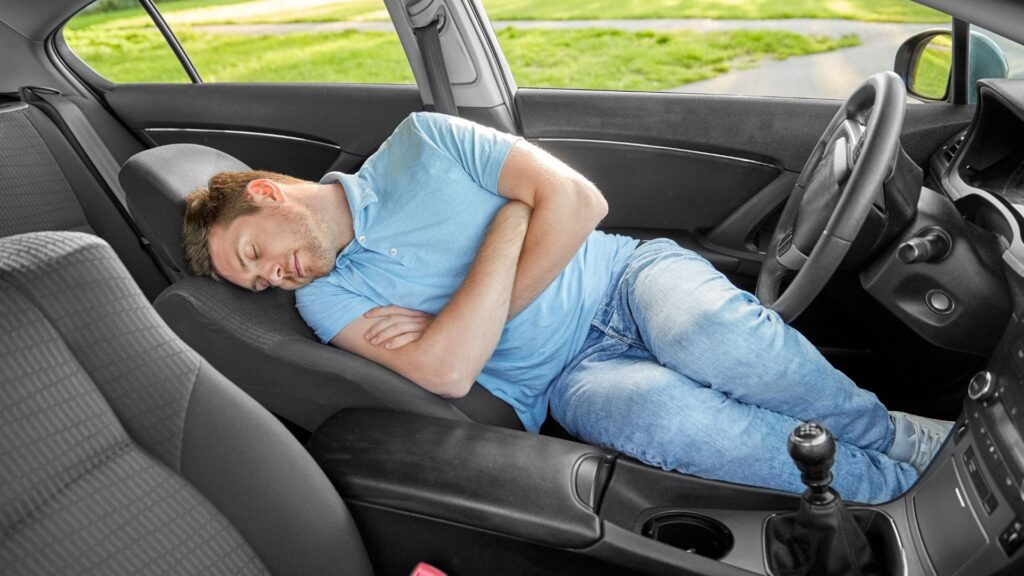
DUI risk is the most serious issue. In many states, you can get a DUI while parked if you have the ability to drive. Officers look at the seat you are in, where the keys are, engine warmth, and signs of recent driving.
If you must rest after drinking, do not sit in the driver’s seat. Place keys out of reach. Better yet, call a ride or use a safe overnight spot. Many drivers learn why is it illegal to sleep in your car the hard way after a DUI arrest in a parking lot.
Safety and health risks beyond the law
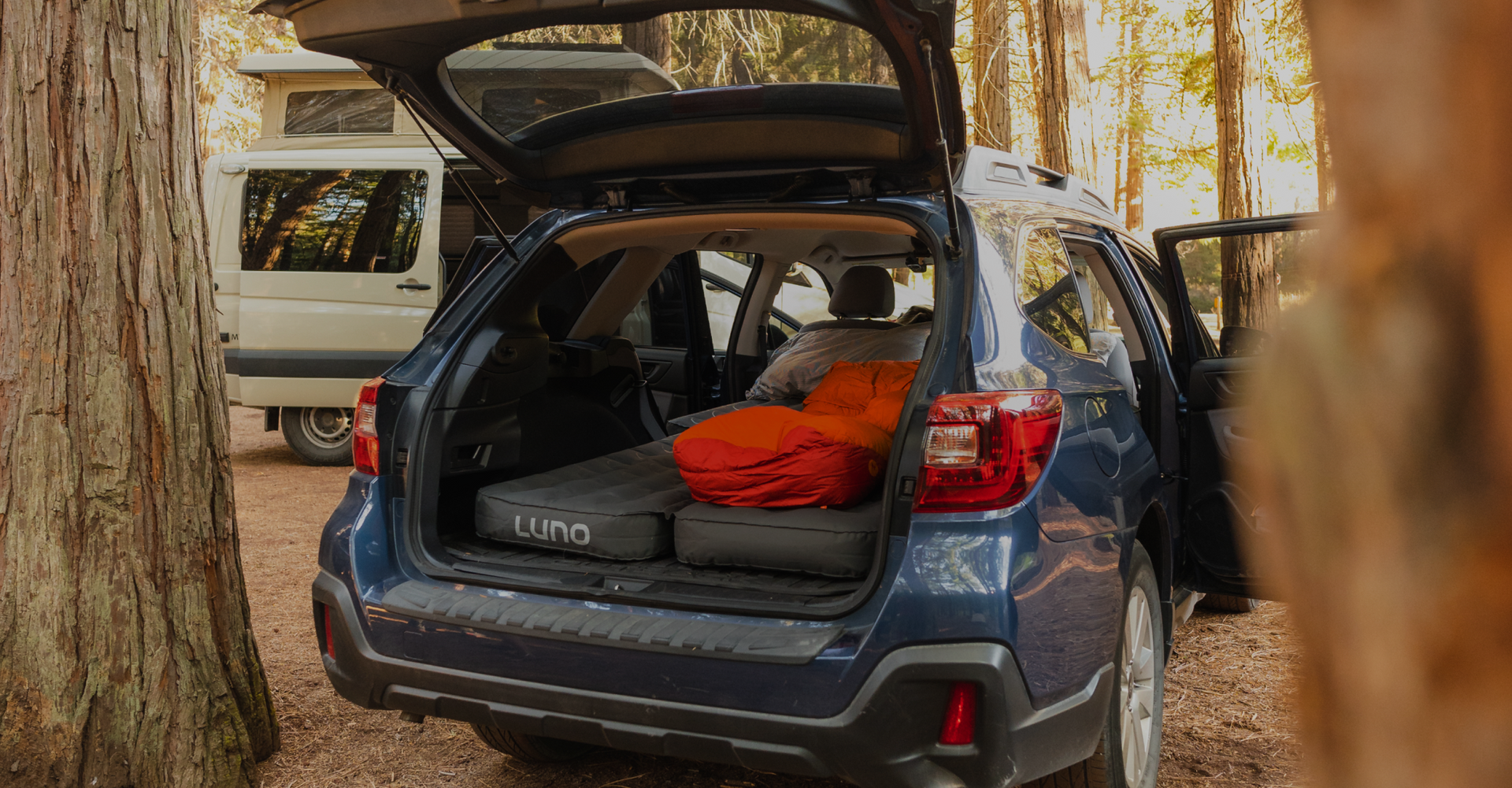
The law is only part of the story. Sleeping in a car can be dangerous. Poor airflow can raise CO2. Extreme heat or cold can harm you fast. Crime risk also rises when you are not alert.
From my fieldwork, the biggest mistake is parking in dim, empty areas. It feels private, but it draws attention. Pick a lit, legal lot instead, or use a staffed site. A safe plan is worth the extra time, and it keeps you far from learning why is it illegal to sleep in your car during a tense stop.

What I’ve seen work in real life?
I have met traveling nurses, gig workers, and students who use their cars to rest. The people who avoid trouble share the same habits. They plan ahead, ask permission, and move early.
A nurse I interviewed called a 24-hour gym, confirmed the policy, and kept a low profile. She parked near lights, used a sunshade, and kept windows cracked with rain guards.
She never slept in the driver’s seat. Small steps like these reduce the chance you will ask why is it illegal to sleep in your car after a ticket.
How to check the law before you park?
Do a quick scan before you settle in. Ten minutes of research can save you a fine.
- Search “[city name] municipal code parking overnight.” Read the definitions and hours.
- Check state vehicle code terms like actual physical control and camping in vehicles.
- Call non-emergency police and ask where overnight parking is allowed.
- Look for posted signs, curb colors, and meter rules.
- Confirm with property owners if you plan to stay on private land.
Keep notes in your phone. This is simple, fast, and it answers why is it illegal to sleep in your car in that exact place.
If you must sleep in your car, do it smarter
Sometimes you have no choice. Use these tactics to lower risk and stay within the law.
- Choose vetted spots Truck stops, travel plazas, some 24-hour gyms with membership, and designated rest areas where allowed.
- Ask for permission Speak with a manager at a store lot. Get a yes before you park.
- Park like a customer Use a normal space, not a corner or loading area. Keep the area clean.
- Stay sober Keep alcohol and cannabis out of reach. Never sleep in the driver’s seat.
- Blend in Use sunshades, low light, and quiet behavior. Set an early alarm and move on.
These steps do not change local law. But they help you avoid the key triggers behind why is it illegal to sleep in your car in many towns.
Your rights and how to talk to police
If an officer knocks, be calm and polite. Keep hands visible. Crack the window and speak clearly. Most contacts start as welfare checks or parking issues.
- Provide ID and insurance if asked. Answer simple questions. Do not argue at the curb.
- If asked to move, comply. Ask where you can park instead.
- Do not consent to a search unless required. Ask if you are free to go.
- If you feel unwell or unsafe to drive, say so. Ask for options like calling a tow or ride.
This is general information, not legal advice. Knowing these basics helps, and it can prevent a bad turn that leads you to wonder why is it illegal to sleep in your car after a tense stop.
Alternatives and resources that work better
You have better options than a random curb. Many are low-cost and safer.
- Campgrounds and RV parks Many allow car campers for a small fee. You get restrooms and staff.
- Truck stops and travel centers Many allow overnight stays. Buy fuel or food as a courtesy.
- 24-hour gyms or co-working spaces A shower and a nap in a safe lot can be worth the membership.
- University or hospital visitor lots Some offer overnight permits. Ask the office first.
- Community outreach Lines of help exist if you are in crisis. They can connect you to safe parking programs.
These options cut the legal risk that drives the question of why is it illegal to sleep in your car in the first place.
Frequently Asked Questions of why is it illegal to sleep in your car
Is it illegal to sleep in your car everywhere?
No. It depends on the state and city. Some places allow it in rest areas or specific lots, while others ban it on streets.
Can I get a DUI for sleeping in my car?
Yes, in many states. If you have the ability to drive, officers may treat it as control even if the engine is off.
What if I am too tired to drive?
Pull over in a safe, legal place and rest. Look for a rest area, a truck stop, or ask a business for permission.
Is sleeping in the back seat safer legally?
It helps but does not guarantee legality. It may reduce DUI risk if the keys are out of reach, but parking rules still apply.
Can police make me move along?
Often yes, if you violate a parking rule or you are on private property without permission. Ask where you can legally park.
Does cracking windows make it legal?
No. Ventilation is about safety, not law. You still must follow parking and loitering rules.
Are rest areas safe for sleeping?
Some states allow short stays at rest areas. Check the posted time limits and local rules before you sleep.
Conclusion
Sleeping in your car feels simple, but the law sees more. Rules about parking, DUI control, and public order explain why is it illegal to sleep in your car in many places. You can reduce risk by planning ahead, asking for permission, and using safe, legal spots.
Use the steps in this guide on your next trip. Check local codes, keep your keys out of reach, and choose well-lit, permitted areas. Want more practical tips and location guides? Subscribe for updates or share your questions in the comments.