

Your car likely smells like gas due to a fuel leak, evap issue, or loose cap.
If you have wondered why does my car smell like gas, you are not alone. I have diagnosed this problem in hundreds of vehicles, from new crossovers to older trucks.
In this guide, I will explain every likely cause, what to check at home, when to stop driving, repair paths, and smart ways to prevent it. Stay with me, and you will leave with clear steps and real answers to why does my car smell like gas.
Safety First: What to Do Right Now?
A fuel smell is a safety risk. Gas vapors are flammable. They can also make you feel sick. Do not ignore it.
Do this first:
- If the smell is strong, pull over in a safe place. Turn off the engine. Step out.
- Do not smoke or use open flames near the car.
- Check for wet spots under the car. Look near the middle and the rear.
- If you see a fuel drip, call a tow. Do not drive.
If the odor is faint and goes away fast, you can drive to a shop with care. But if you keep asking why does my car smell like gas, take it as a sign to act now. Prompt checks can prevent fires and breakdowns.
Top Reasons Your Car Smells Like Gas
Many drivers ask, why does my car smell like gas after a fill-up or cold start. The answer varies by system. Below are the most common sources I see in service bays.
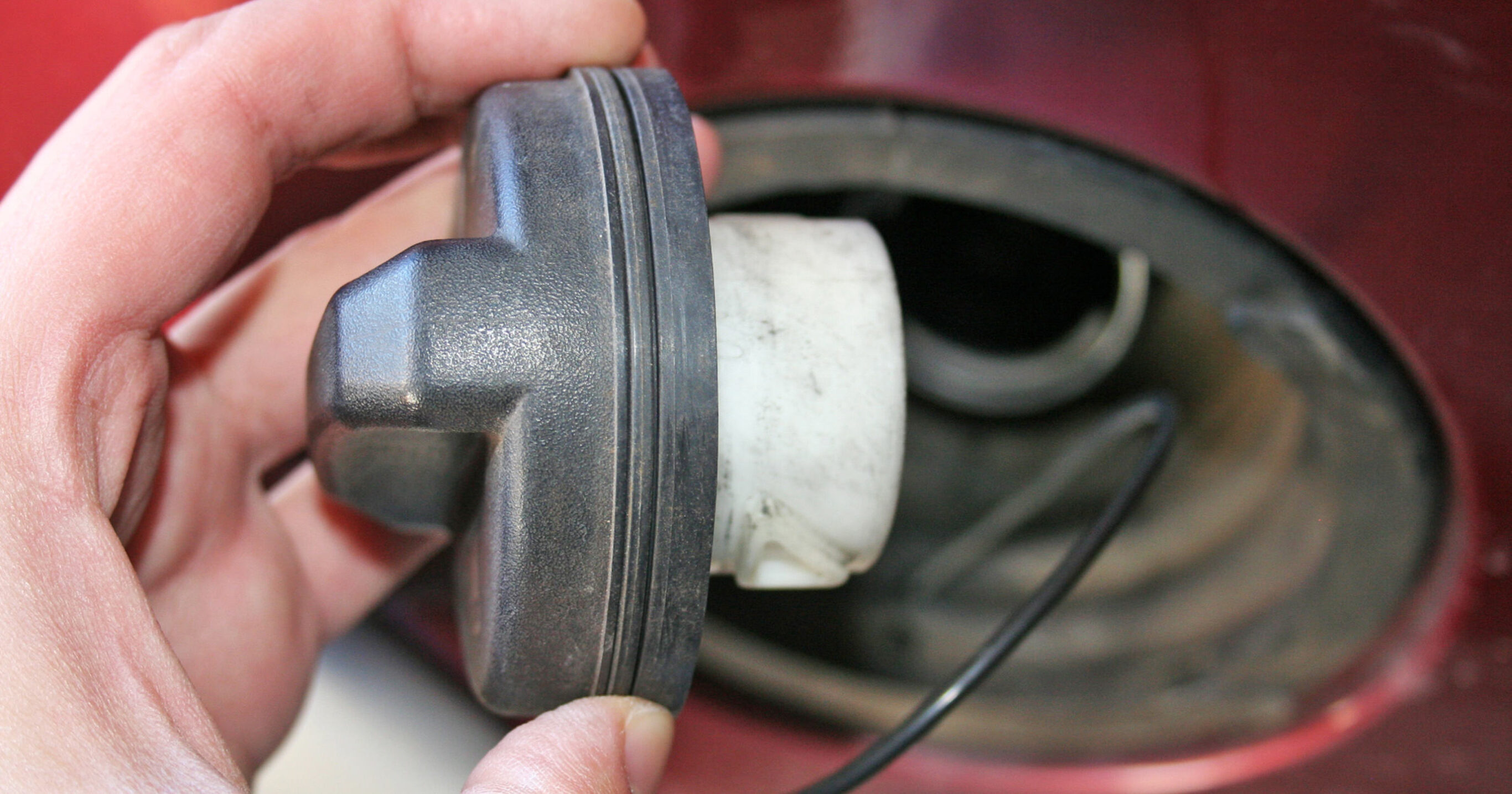
Loose, missing, or bad gas cap
A loose cap is the fastest fix. The cap seals fumes in the tank. A worn seal lets vapor escape. This can set an evap code and turn on the check engine light. Tighten until it clicks three times. Replace the cap if the seal is cracked.
EVAP system leaks or valve faults
The evaporative emissions system stores fuel vapor in a charcoal canister and routes it to the engine. Cracked hoses, a stuck purge valve, or a bad vent valve can let fumes leak. You may smell gas near the rear wheel or under the hood. A smoke test at a shop finds these small leaks fast.
Fuel line, rail, or injector leaks
Rubber fuel hoses age. Metal lines can corrode. Injector O-rings can flatten and leak. The smell is strong under the hood or along the frame. Look for damp spots or varnish stains. If you ask why does my car smell like gas when parked, a drip is a top suspect.
Leaking fuel tank or filler neck
Road salt and age can rust seams. Plastic tanks can crack from impact. You might see wet spots at the rear. When you ask why does my car smell like gas after I park in the garage, check the tank and filler neck.
Recent refueling or spill
Overfilling the tank can soak the charcoal canister. A splash on the paint, carpet, or cargo mat can linger. If the smell fades in a day, it may be a simple spill. If it does not, the canister may be saturated.
Exhaust leak near the engine bay
Exhaust leaks can smell like raw fuel during cold starts. The engine runs richer until warm. If the smell is at the front and you hear a tick, inspect the manifold and gaskets.
Cold starts and short trips
On cold starts, engines run rich by design. You can smell fuel for a short time. If you wonder why does my car smell like gas only for a minute in winter, this may be normal. But if it lasts longer, check for leaks.
HVAC drawing fumes into the cabin
Outside air mode can pull garage fumes through the cowl. A cabin filter soaked with odor can also spread the smell. Switch to recirculate in heavy traffic or garages. Replace the cabin filter if it smells.
Aging fuel system seals
O-rings, gaskets, and seals harden over time. Heat cycles make them brittle. Many older cars asking why does my car smell like gas have simple seal issues. A fresh set of O-rings can solve it.

How to Diagnose the Source at Home?
You can do safe, simple checks. These steps help you narrow the cause before a shop visit.
- Smell check around the car. Start at the fuel door, then the rear, sides, and front. A stronger odor at the rear points to the tank or EVAP. At the front points to injectors or lines.
- Look for wet spots or stains. Use a flashlight. Fuel leaves amber or brown varnish marks when dry. Note where you see them.
- Check the gas cap. Make sure it clicks. Inspect the seal. If you keep asking why does my car smell like gas after I tighten the cap, swap the cap. It is cheap and quick.
- Observe when the smell happens. Only after refuel, only at start, only with AC on, or all the time. Your notes guide the tech.
- Scan for codes if you can. Many parts stores scan for free. EVAP codes like P0442, P0455, or P0456 mean small or large vapor leaks.
- Do not use open flames. Do not use shop lights that get hot. Stay safe.
If you find wet fuel, do not drive. Tow it. If you cannot find anything yet still wonder why does my car smell like gas, plan a shop visit for a smoke test.

Common Scenarios and What They Mean
Patterns matter. These real cases from my work show how to read them.
Smell right after refueling
Likely causes:
- Loose gas cap
- Overfilled tank that soaked the canister
- Cracked filler neck
Tip: Stop at the first click at the pump. If you ask why does my car smell like gas after every fill, check the cap and EVAP hoses.
Smell at cold start, then goes away
Likely causes:
- Normal rich mixture in cold weather
- Minor exhaust leak near the manifold
- Small injector O-ring seep
Tip: If it lasts more than two minutes, inspect for leaks.
Smell inside the cabin with AC or heat
Likely causes:
- Outside air pulling fumes from a nearby source
- Fuel leak under hood
- Cabin filter holding odor
Tip: Switch to recirculate. If the smell stays, look under the hood. Many drivers who ask why does my car smell like gas with AC on find an injector seal issue.
Smell when parked in the garage
Likely causes:
- Slow tank or line seep
- EVAP leak from hoses or canister
- Spill on carpet or cargo mat
Tip: Place clean cardboard under the car overnight. Stains tell the story.
Repair Options and Typical Costs
Costs vary by car and region. These ballpark figures help you plan. They come from common rates I see and industry guides.
- Gas cap replacement. 10 to 40 dollars. Often fixes evap codes and stops odors.
- EVAP hose or purge valve. 100 to 300 dollars for parts and labor in many cars. A smoke test adds 80 to 150 dollars.
- Charcoal canister. 200 to 600 dollars. Overfill damage is common.
- Injector O-rings. 150 to 400 dollars depending on access. Full injector replacement can be more.
- Fuel line repair. 150 to 600 dollars. Rust belt cars can be higher.
- Fuel pump module seal or tank work. 300 to 1,200 dollars. SUVs and trucks may be more due to access.
- Exhaust manifold gasket. 250 to 900 dollars. Turbo engines can be higher.
If you ask why does my car smell like gas and fear a huge bill, start with the low cost items. Many fixes are simple.
Prevention Tips to Keep Fuel Odors Away
A few habits can stop fuel smells before they start.
- Do not top off the tank. Stop at the first click. This protects the EVAP canister.
- Tighten the gas cap. Listen for three clicks. Replace a cracked cap seal.
- Inspect hoses each oil change. Look for cracks and stains.
- Replace aging seals on high mile cars. Injector O-rings are cheap insurance.
- Keep the cabin filter fresh. It helps block outside odors.
- Park away from strong fumes. Your HVAC can pull them in.
If you still ask why does my car smell like gas after these steps, schedule a smoke test. It finds small leaks fast.

Professional Help: When to see a mechanic and what to ask?
You should see a pro when the smell is strong, you see wet fuel, or the check engine light is on. Tow the car if fuel is dripping. A shop can test, repair, and verify the fix.
What to ask:
- Can you perform an EVAP smoke test and a fuel pressure leak-down test?
- Where is the odor strongest: tank, lines, or engine bay?
- Can you show me the failed part and readings?
- Will the repair pass an emissions test?
- What warranty do you offer on parts and labor?
If you arrive and say, I keep asking why does my car smell like gas and I smell it near the rear, the tech can start at the right spot. This saves you time and money.

Frequently Asked Questions of why does my car smell like gas
Why does my car smell like gas only when I start it?
Cold engines run rich, which can cause a brief fuel smell. If it lasts more than a minute or two, check for an exhaust leak or injector seal issue.
Why does my car smell like gas after I fill up?
A loose gas cap or an overfilled tank are common causes. Check the cap seal, and avoid topping off to protect the EVAP canister.
Why does my car smell like gas inside the cabin?
Fumes can enter through the HVAC intake or from a leak under the hood. Use recirculate as a quick test, then inspect for leaks and replace the cabin filter if needed.
Why does my car smell like gas when parked in my garage?
You may have a slow EVAP or tank leak, or a small line seep. Place cardboard under the car overnight to spot stains and schedule a smoke test.
Is it safe to drive if my car smells like gas?
If the smell is strong or you see wet fuel, do not drive. Tow the car to prevent fire risk and damage.
Conclusion
A fuel odor is a warning you should not ignore. Start with simple checks like the gas cap, look for stains, note when the smell occurs, and use a scan if you can. If you still wonder why does my car smell like gas, plan a smoke test and fix small issues before they grow.
Take action today. Protect your car, your budget, and your safety. If this guide helped, subscribe for more step-by-step car care tips, or leave a comment with your symptoms and I will help you narrow the cause.
