

Honda, Yamaha, and KTM are the top choices for most riders today.
The real answer to what is the best dirt bike brand depends on your riding style, budget, and goals. I’ve spent years riding, wrenching, and helping riders choose their bikes.
In this guide, I’ll break down the strengths and trade-offs so you can decide what is the best dirt bike brand for you with confidence.
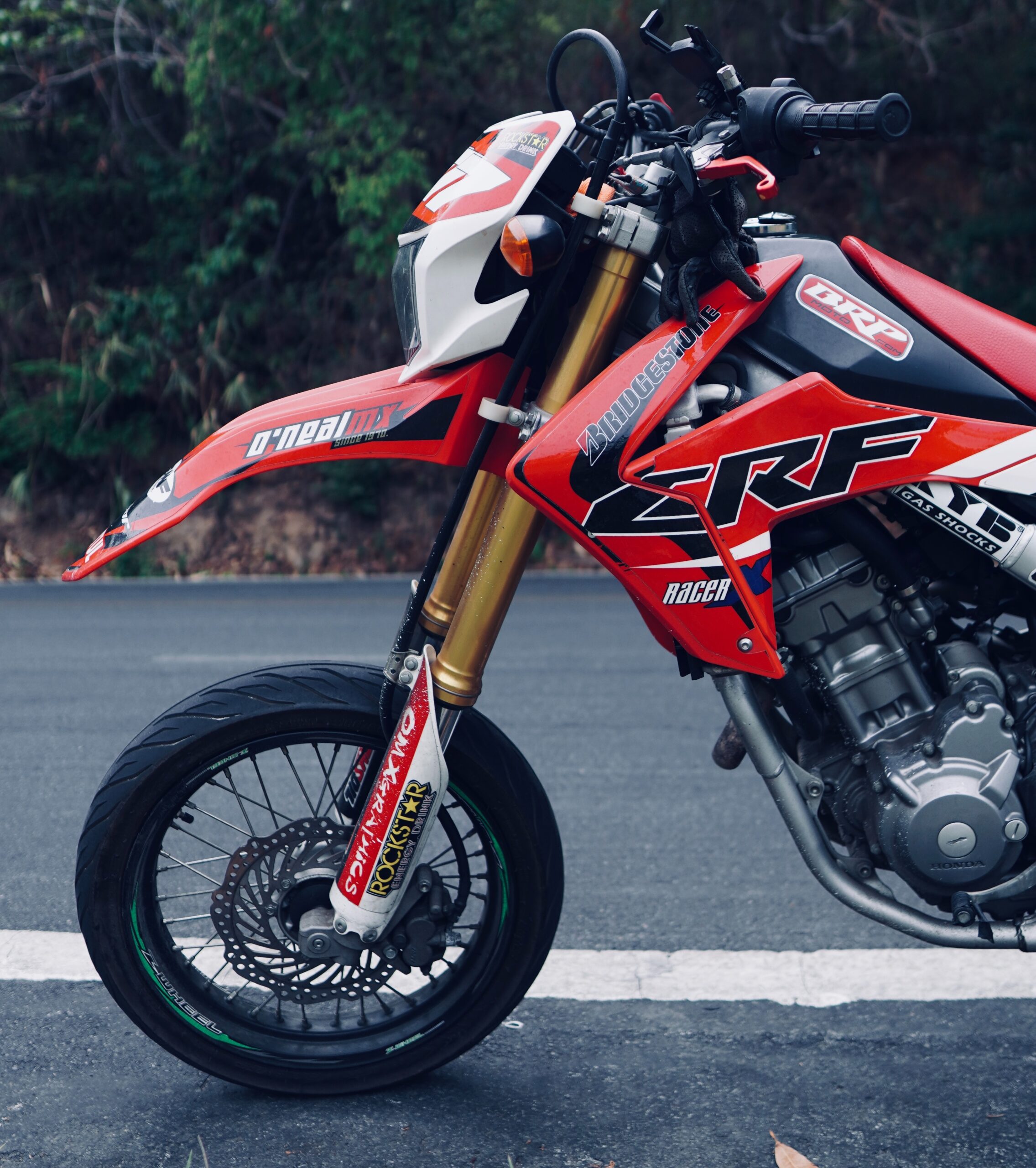
How To Define “Best” For A Dirt Bike Brand
Before naming a winner, you need clear criteria. Best should mean reliable, easy to maintain, and matched to your terrain and skills. It also includes dealer support and parts access wherever you ride.
Key factors I use when judging what is the best dirt bike brand:
- Reliability and durability under real trail or track use
- Performance for your class and terrain, not only peak power
- Suspension quality out of the box and ease of tuning
- Dealer network, parts availability, and service wait times
- Resale value after two to four years of use
- Total cost of ownership, including routine parts and labor
- Weight, ergonomics, and rider fit for your size and experience
- Racing pedigree and tech innovation that trickles down to consumer models

Quick Verdicts By Rider Type
Choosing what is the best dirt bike brand is easier when you sort by needs. Start with your terrain, then your budget. The right bike should fit you like a glove and feel predictable from day one.
For beginners and casual trail riders
- Honda and Yamaha make forgiving trail bikes with strong reliability.
- Look at Honda CRF-F line and Yamaha TT-R for simple ownership.
For motocross racing
- KTM and Yamaha dominate with sharp engines and excellent suspension.
- Honda is a top choice if you value precise handling and modern tech.
For enduro and hard enduro
- KTM, Husqvarna, and Beta lead with nimble 2-strokes and plush suspension.
- Sherco is a sleeper pick for technical singletrack and trials-style control.
For budget-focused riders
- Kawasaki and Suzuki often cost less on the used market with solid value.
- GasGas offers KTM DNA at a lower price point.
For electric curiosity or quiet zones
- Stark Varg sets the pace in performance but has a newer support model.
- KTM Freeride E-XC suits light trail use and short sessions.
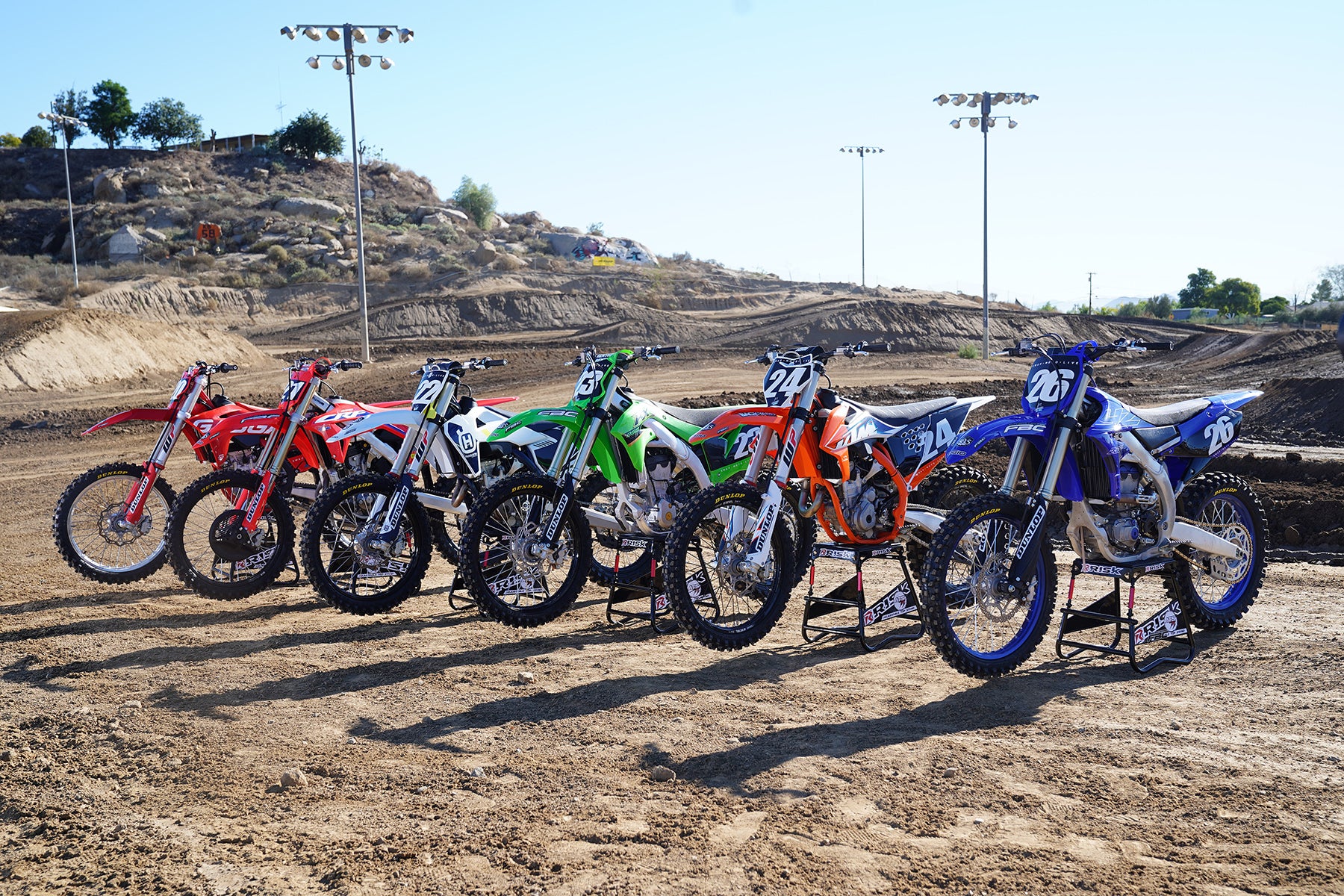
Brand-by-Brand Breakdown
Understanding what is the best dirt bike brand means knowing how each brand feels on real dirt. Below are the high points, common trade-offs, and models to watch.
Honda
Honda is known for reliability and smooth power. Handling is stable and precise. Maintenance is simple for many models.
- Strengths: Consistent build quality, predictable handling, strong resale.
- Watch-outs: MX models can feel rigid until the suspension is dialed.
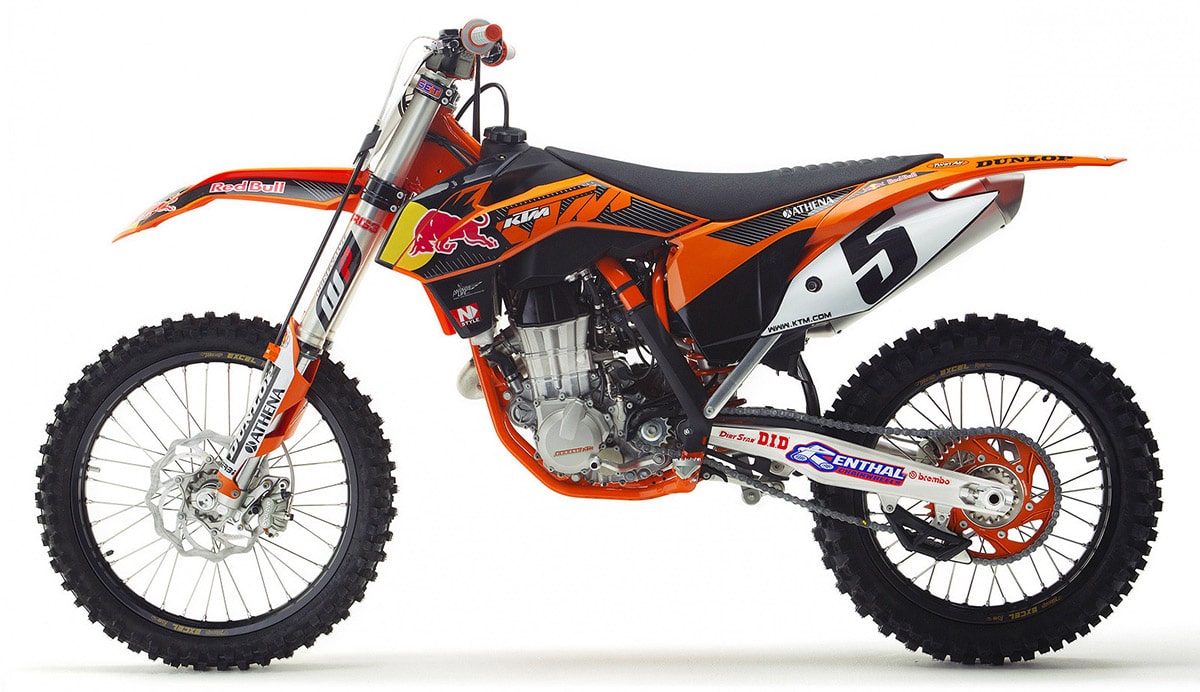
- Models to consider: CRF250R, CRF450R, CRF250RX, CRF450X, CRF-F trail line.
Yamaha
Yamaha pairs strong engines with standout KYB suspension. Their 4-strokes deliver broad, usable power.
- Strengths: Suspension quality, engine longevity, parts support.
- Watch-outs: Some bikes feel tall; blue bikes can be heavier in class.
- Models to consider: YZ250F, YZ450F, YZ125, WR250F, WR450F, TT-R trail line.
KTM
KTM brings race-ready performance and light weight across classes. Two-strokes are a highlight, and mapping is refined.
- Strengths: Power-to-weight, enduro excellence, innovation.
- Watch-outs: Higher upfront price, maintenance can be more precise.
- Models to consider: 250 SX-F, 450 SX-F, 150/250/300 EXC, XC-W two-strokes.
Kawasaki
Kawasaki balances value and performance, especially for motocross and off-road racing. Ergonomics are friendly for many riders.
- Strengths: Competitive pricing, good handling, easy to ride fast.
- Watch-outs: Enduro-specific offerings in the US are limited.
- Models to consider: KX250, KX450, KLX trail line (e.g., KLX300).
Husqvarna
Husqvarna shares tech with KTM but with different ergos and subframe design. Suspension feel is often more compliant.
- Strengths: Premium components, strong enduro lineup.
- Watch-outs: Similar pricing to KTM, with brand-specific parts.
- Models to consider: FC/TC MX, FE/TE enduro range.
GasGas
GasGas delivers KTM/Husky DNA at a friendlier price. Great value for riders stepping into premium performance.
- Strengths: Performance per dollar, wide model range.
- Watch-outs: Some components are lower spec than KTM/Husky.
- Models to consider: MC motocross, EC enduro, EX cross-country.
Suzuki
Suzuki offers dependable bikes with simple maintenance and fair prices. Recent MX models lag in updates but still ride well.
- Strengths: Affordability, stable handling, used market bargains.
- Watch-outs: Fewer cutting-edge updates, stock suspension may need work.
- Models to consider: RM-Z250, RM-Z450, DR-Z trail/dual-sport.
Beta
Beta shines in enduro with smooth engines and tractable power. Their 300 2-strokes are loved in tight woods.
- Strengths: Enduro focus, rideability, oil-injection on some 2-strokes.
- Watch-outs: Dealer network is smaller in some regions.
- Models to consider: RR 2T/4T enduro range, XTrainer for technical terrain.
Sherco
Sherco is a favorite among technical riders. The bikes feel planted in gnarly climbs and rocks.
- Strengths: Great low-end control, premium components.
- Watch-outs: Parts availability varies by area.
- Models to consider: SE 250/300 2T, SEF four-strokes.
TM Racing
TM offers boutique race bikes with sharp performance. They are rare and specialized.
- Strengths: High-spec components, race focus.
- Watch-outs: Pricey, limited support network.
- Models to consider: MX and EN 2T/4T models for expert riders.
Stark (Electric)
Stark Varg pushes electric performance to new levels. Instant torque is thrilling and quiet.
- Strengths: Zero emissions, low routine maintenance, cutting-edge tech.
- Watch-outs: Charging logistics, dealer/service availability evolving.
- Models to consider: Varg with power tune options.
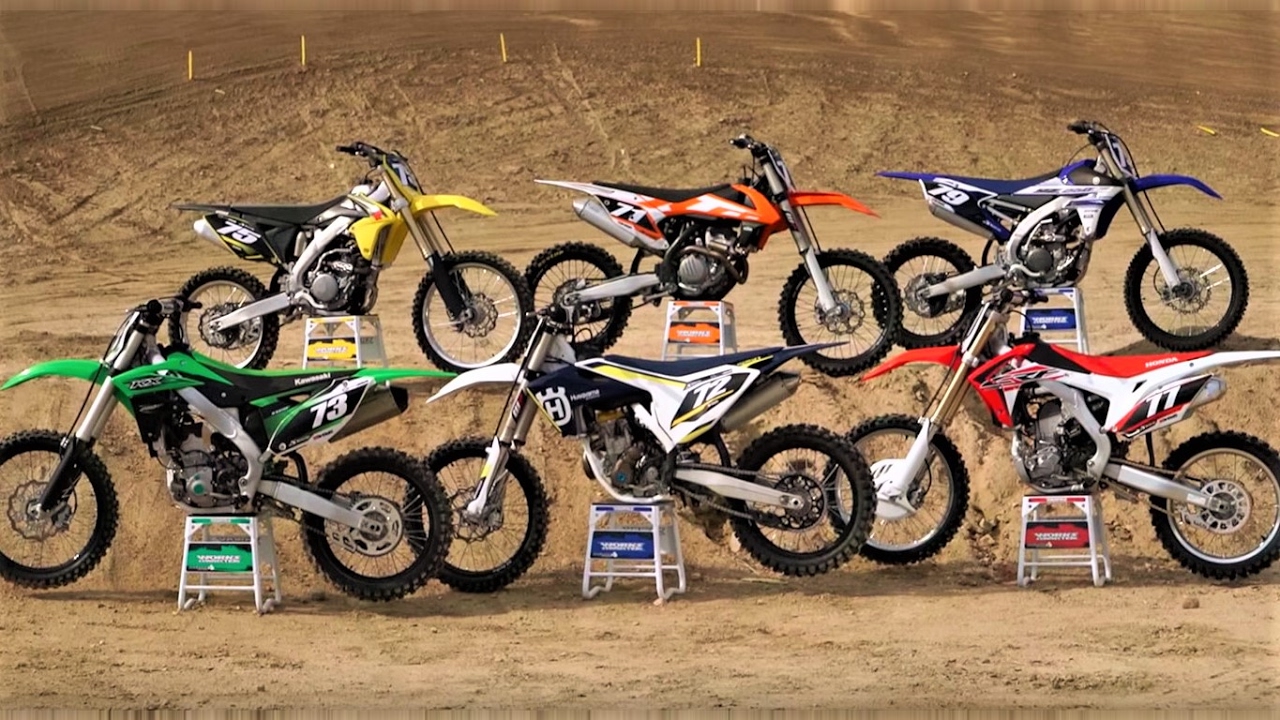
Data, Results, and Trends That Matter
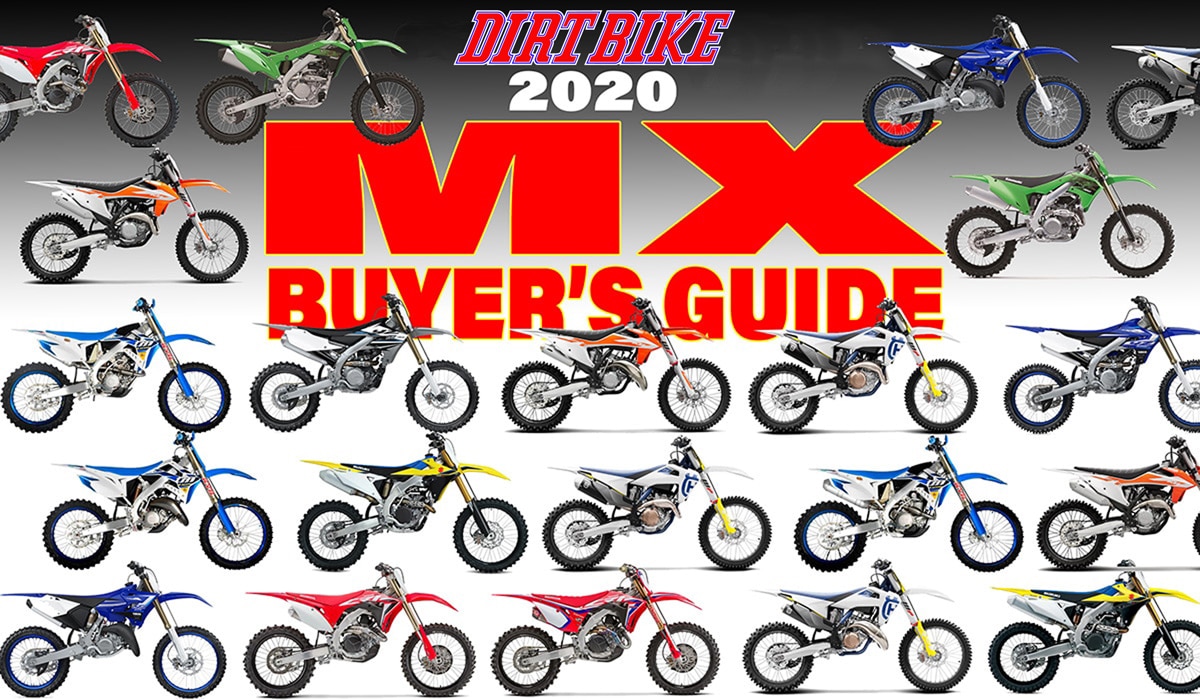
Race results show that several brands can win at the highest levels. Recent championships across AMA Supercross and MXGP have been earned by KTM, Yamaha, Honda, and GasGas. This tells us the field is competitive, and rider fit matters more than logo loyalty.
Resale value tends to be strong for Honda, Yamaha, and KTM group bikes. Parts access in the US is broadest for Honda, Yamaha, and Kawasaki. For enduro riders, KTM group, Beta, and Sherco lead in two-stroke development and mapping.
Service needs vary by model and use. Race-tuned 250F and 450F engines need more frequent inspections when ridden hard. Trail-focused bikes can go longer between major work with routine oil, air filters, and valves checked on schedule. These facts shape what is the best dirt bike brand for your real-world ownership.
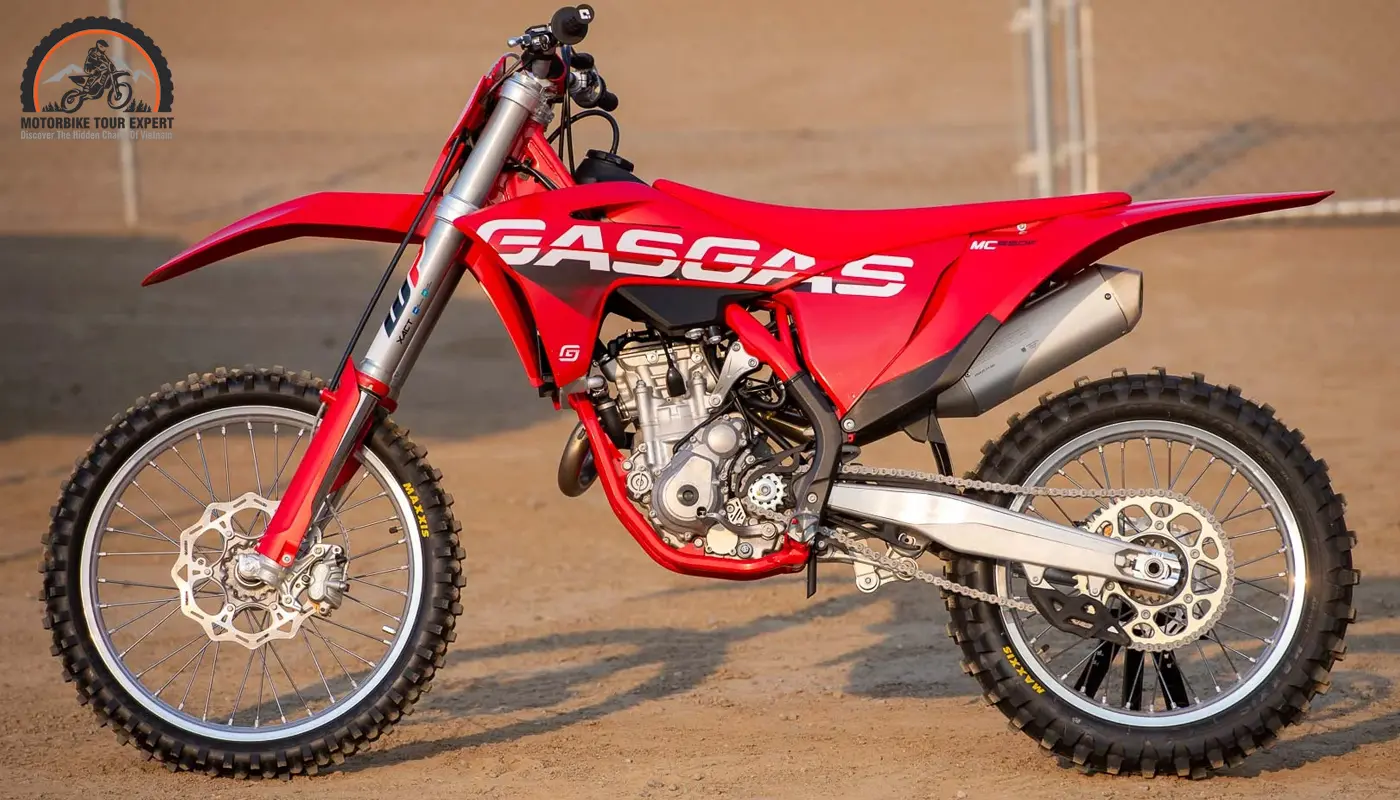
Real-World Insights From The Garage And Trail
I started on a used Honda CRF230F. It was not flashy, but it never left me stranded. That quiet reliability kept me riding and learning.
Later, I moved to a Yamaha YZ250F for local tracks. The KYB fork felt planted from day one, and small clicker changes made a big difference. Today, for technical woods, I lean toward a KTM or Beta 300 two-stroke because of the light feel and smooth clutch. These experiences shape how I answer what is the best dirt bike brand for each rider I help.
Practical lessons I’ve learned:
- Buy for the riding you do 80% of the time, not 20%.
- Suspension setup matters more than peak horsepower.
- A strong dealer relationship saves time, money, and headaches.
- Test the clutch feel and low-speed manners on tight, real terrain.
- Budget for gear, protection parts, and maintenance from day one.
A Step-by-Step Checklist To Pick Your Best Brand
Use this simple process to decide what is the best dirt bike brand for your needs.
- Define your terrain. Track, desert, woods, dual-sport, or a mix.
- Set a firm budget. Include gear, setup, and spare parts.
- Match engine type. 2-stroke for light feel and simple service; 4-stroke for smooth power.
- Test seat height and ergos. You should touch and control the bike easily.
- Ride at least two brands. Focus on suspension feel and predictability, not speed.
- Check dealer and parts access. Ask about typical service times and common parts.
- Review maintenance schedule. Make sure it aligns with your free time and tools.
- Look at resale trends. Good resale lowers your real cost of ownership.
- Read race and owner feedback. Consistent patterns matter more than one-off reviews.
- Sleep on it. The right choice will feel calm and obvious.
Ownership, Maintenance, and Total Cost
The best dirt bike is the one you can maintain on time. Simple tasks like oil changes, air filters, and chain care prevent big bills. If a brand has a nearby dealer with stocked parts, that is a real win.
Think long-term when asking what is the best dirt bike brand. Some bikes are cheaper to buy but need upgrades to be comfortable. Others cost more upfront but are ready to race or trail ride out of the crate. Balance these costs with your skills and goals.
Tips that save money:
- Keep a fresh air filter and proper chain tension.
- Log hours and service in a simple notebook or app.
- Use torque specs and a quality filter oil for consistency.
- Learn clicker basics to tune comfort and traction.
Common Myths About Dirt Bike Brands
The internet is loud, but your choices should be calm and clear. Separate myths from facts to find what is the best dirt bike brand for you.
- Myth: One brand always dominates. Reality: Championships rotate among KTM, Yamaha, Honda, and others.
- Myth: Two-strokes are only for experts. Reality: Modern 2Ts are smooth and beginner-friendly with proper jetting or mapping.
- Myth: Electric can’t compete. Reality: High-end electric bikes are fast, but charging and support are still developing.
- Myth: Heavier bikes are safer. Reality: Predictable suspension and throttle control matter more than weight alone.
- Myth: New is always better. Reality: A well-kept used bike from a supported brand can be the smarter buy.

Frequently Asked Questions of what is the best dirt bike brand
What is the best dirt bike brand for beginners?
Honda and Yamaha are great for new riders due to reliability and smooth power. Their trail lines are easy to maintain and forgiving on mistakes.
What is the best dirt bike brand for motocross?
KTM and Yamaha stand out for performance and suspension. Honda also shines with sharp handling and strong support.
What is the best dirt bike brand for enduro riding?
KTM, Husqvarna, and Beta lead with light feel and tractable engines. Sherco is also excellent for technical terrain.
What is the best dirt bike brand if I need strong resale value?
Honda, Yamaha, and KTM group bikes often hold value well. Good maintenance records improve resale more than any logo.
What is the best dirt bike brand with the widest dealer network in the US?
Honda and Yamaha have broad coverage, with Kawasaki close behind. KTM group support is strong in many regions, especially for enduro.
What is the best dirt bike brand for budget buyers?
Kawasaki and Suzuki often offer lower entry prices or good used deals. GasGas provides premium DNA at a friendlier cost.
Conclusion
There is no single winner for all riders. The honest way to answer what is the best dirt bike brand is to match your terrain, skill, budget, and local support. Honda, Yamaha, and KTM group cover most needs, while Beta, Sherco, and others shine in focused niches.
Start with the checklist, ride a few options, and choose the bike that feels natural and predictable. Your best brand is the one that keeps you riding more and wrenching less. If this helped, explore our other guides, subscribe for updates, or share your questions in the comments.