

A dirt bike is a light, rugged motorcycle for off-road riding on rough terrain.
If you want a clear, expert guide to what is a dirt bike, you are in the right place. I will explain how these machines work, why they feel so different from street bikes, and how to choose one.
I have logged many hours on trails and tracks, so I will share what I learned the hard way. By the end, you will know exactly what is a dirt bike, how it is built, and how to ride and care for one with confidence.

Anatomy and Key Features
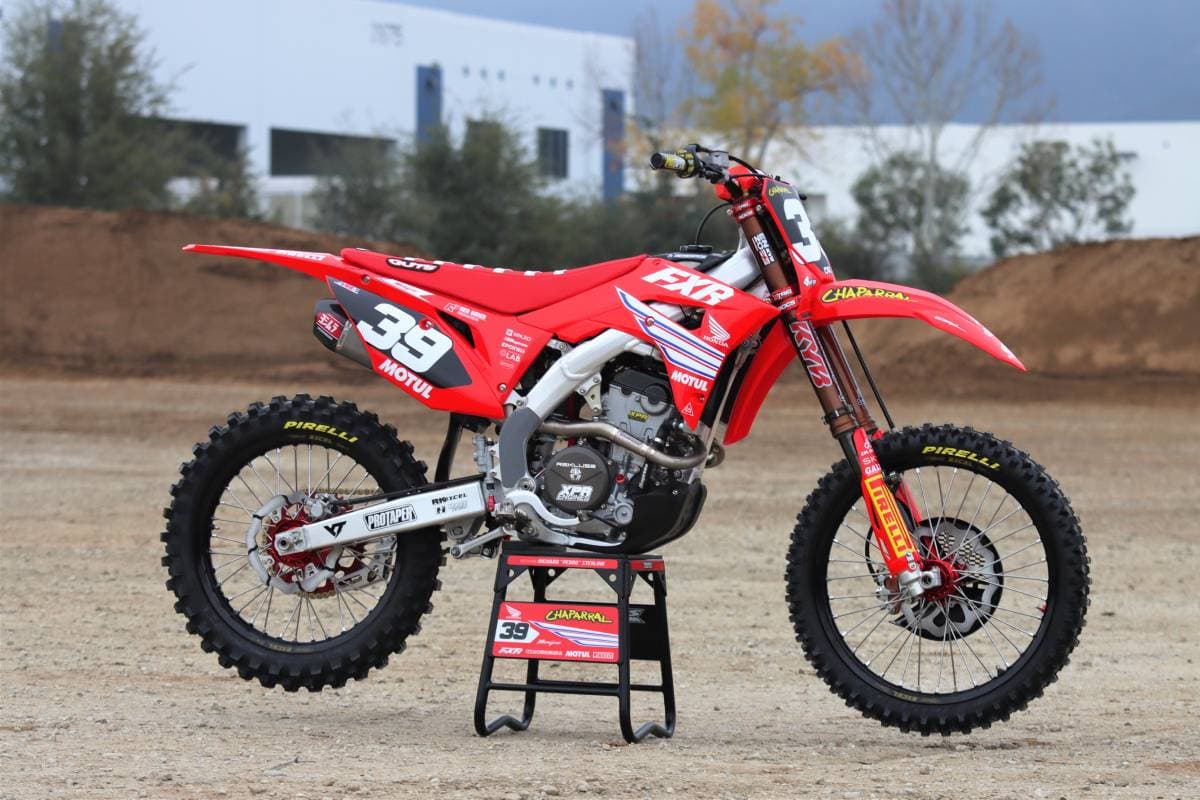
To answer what is a dirt bike, we should start with the parts. A dirt bike is light, tall, and tough. It is made to handle bumps, ruts, jumps, sand, and mud. Each part serves a clear purpose.
Key components you will find:
- Engine Usually a single-cylinder for strong low-end power and simple care.
- Frame Light and strong, often steel or aluminum, with a high seat and ground clearance.
- Suspension Long travel forks and a rear shock to absorb hits and keep traction.
- Tires Knobby tread for grip in dirt, sand, and loose gravel.
- Brakes Powerful disc brakes to stop fast in low-traction zones.
- Gearing Short gearing for quick starts and slow-speed control in tight spots.
- Controls Simple bars with light levers, often with hand guards for trees and brush.
When people ask what is a dirt bike built to do, the answer is simple. It is built to be stable over rough ground and easy to handle at low speeds. It keeps the rider in control when the trail gets steep or slick. That is why dirt bikes feel tall, springy, and nimble.
Types of Dirt Bikes
Not all dirt bikes are the same. The right model depends on where you ride and how you ride. Knowing what is a dirt bike in each category helps you choose well.
Common types:
- Motocross bikes Built for closed tracks. They are light, stiff, and very fast in short bursts.
- Enduro or trail bikes Tuned for long rides on mixed terrain. They have smoother power and wide gear ratios.
- Dual-sport bikes Street legal with lights and mirrors. They ride to the trail and back home.
- Adventure bikes Bigger and heavier. They handle gravel roads and light trails with comfort.
- Mini and youth bikes Smaller frames and engines for kids and new riders.
If you ask what is a dirt bike for pure racing, that is the motocross class. If you want all-day comfort, enduro bikes win. For one bike that can commute and hit the trail, look at dual-sport models.

How Dirt Bikes Differ from Street Motorcycles
A fast way to see what is a dirt bike is to compare it with a street motorcycle. The goals are not the same, so the design is not the same.
Key differences:
- Weight Dirt bikes are lighter to help with control and recovery when you slide.
- Suspension They have longer travel to soak up jumps and holes.
- Tires Knobbies bite into loose soil, not smooth pavement.
- Power Tune Power comes on early for tight, slow paths, not high-speed highways.
- Ergonomics Tall seat, wide bars, and standing stance for body movement.
This is why a dirt bike feels easy on a trail and twitchy on asphalt. Street bikes shine at speed. Dirt bikes shine when the ground fights back.
Choosing the Right Dirt Bike
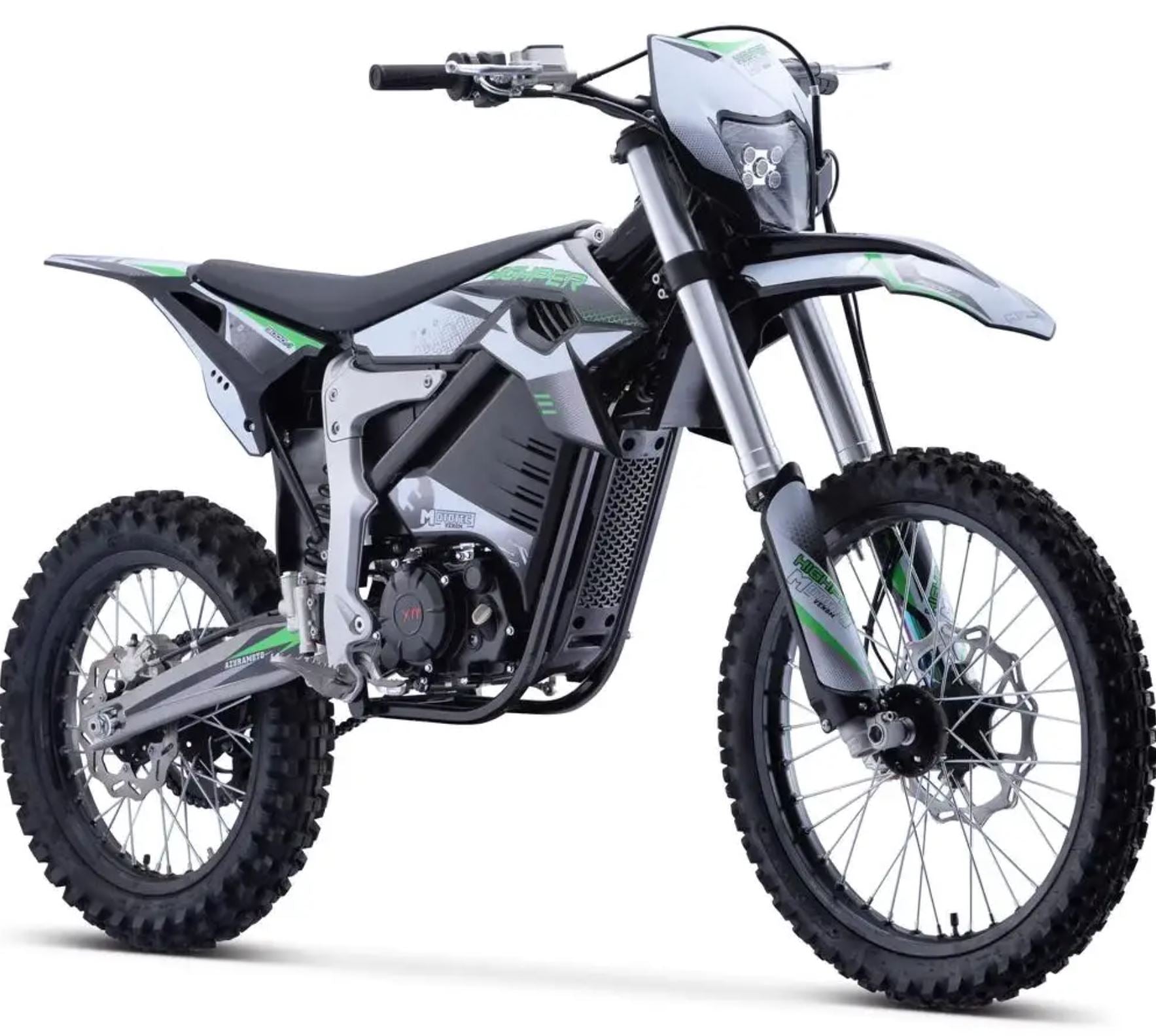
Before you buy, define what is a dirt bike for your needs. Be honest about your skill, size, and riding plans. This saves money and stress.
Steps to choose well:
- Match engine size New riders do well with 125–250 four-strokes or 125 two-strokes.
- Fit first You should touch the ground with the balls of your feet. Check reach to bars and levers.
- Pick the type Track, trail, or street-legal? Choose the class that fits most of your riding.
- Check weight Lighter bikes help new riders learn fast and recover from mistakes.
- Budget for gear Plan for helmet, boots, and pads. Safety is part of the cost.
When friends ask me what is a dirt bike that suits a beginner, I often point to a friendly 250 four-stroke trail bike. It starts easy, stalls less, and rewards smooth skills.
Safety Gear and Riding Basics
A key part of what is a dirt bike culture is safety. Trails can be kind, but they can bite. Good gear and good habits lower risk by a lot.
Must-have gear:
- Helmet DOT or better. Fit snug. Replace after any hard hit.
- Boots Tall, stiff boots to guard ankles and shins.
- Gloves and goggles Grip and clear vision in dust and branches.
- Body armor Chest, knee, and elbow pads. A neck brace for track days.
- Jersey and pants Tough but light fabric that dries fast.
Core riding tips:
- Look ahead Keep your eyes where you want to go, not at the front fender.
- Stand often Bend knees and elbows. Let the bike move under you.
- Use smooth inputs Roll on the throttle. Brake before the turn. Be light on the clutch.
- Start slow Learn balance and body moves in a flat, open area.
These basics shape what is a dirt bike skill set. The bike will work for you if you work with it.

Maintenance and Care
Owning one means knowing what is a dirt bike maintenance plan. Dirt is hard on parts. A clean bike is a safe bike.
Simple routine after each ride:
- Wash gently Avoid blasting bearings and seals. Let it dry.
- Lube the chain Clean, adjust slack, and oil the links.
- Check air filter Dirt kills engines. Clean or swap the filter often.
- Inspect bolts and spokes Vibrations loosen parts. Snug them up.
- Look for leaks and wear Catch issues before they grow.
Follow the service plan for oil, coolant, and valves. This keeps power sharp and starts easy. The goal is to ride more and fix less.

Cost, Ownership, and Legal Basics
Part of what is a dirt bike decision comes down to money and rules. Plan your spend and avoid legal trouble.
Budget items:
- Purchase price New models cost more. Used bikes can be great with a clean history.
- Gear and tools Helmet, boots, stand, and a basic tool kit.
- Parts and wear Tires, chain, sprockets, pads, and filters add up.
- Transport A hitch carrier or small trailer if your bike is not street legal.
- Fees Permits or passes may be needed on public land.
Know local laws about off-road areas, sound limits, and registration. Ride where it is allowed. Respect trails and stay on marked routes.
Lessons From the Trail
Experience shapes my view of what is a dirt bike ride done well. A few notes saved me time and pain.
Tips from many rides:
- Stand sooner than you think It calms the bike and saves your arms.
- Look past the obstacle Your body will steer to your eyes. Aim at the exit.
- Choose lines, not speed A smart line is faster and safer than more throttle.
- Rest often Fatigue causes most small mistakes that lead to falls.
- Practice clutch control It is your friend on hills and in tight turns.
My worst day came from skipping water and a loose chain. Now I pack a small kit and check the bike at the trailhead. Small habits pay big.
Skill Progression and Training
If you are still unsure what is a dirt bike learning path, start simple and build in steps. Good technique beats raw courage.
A smart plan:
- Flat drills Start-stop, figure eights, and slow balance practice.
- Braking practice Front, rear, then both. Feel the skid point on dirt.
- Corner work Look, lean the bike, and keep your body tall and forward.
- Hill starts and climbs Use clutch and rear brake. Pick a straight line.
- Obstacles Start with small logs and ruts. Add speed only with control.
Many riders improve fast with a half-day class. Proven drills and feedback raise your ceiling and cut bad habits.
Frequently Asked Questions of what is a dirt bike
What is a dirt bike used for?
A dirt bike is used for off-road riding on trails, tracks, and open land. It handles rough ground, jumps, ruts, and mud with ease.
Is a dirt bike good for beginners?
Yes, with the right model and size. A mild 125–250 four-stroke trail bike is a strong start.
Can you ride a dirt bike on the street?
Many dirt bikes are not street legal. Dual-sport models are legal and come with lights, mirrors, and plates.
What maintenance does a dirt bike need?
Clean the air filter, lube the chain, and change oil as scheduled. Check bolts, spokes, and brake pads after rides.
How fast can a dirt bike go?
Speed depends on engine size and gearing. Most trail bikes top out between 50 and 80 mph, but trails are not for high speed.
What gear do I need to ride?
Wear a good helmet, boots, gloves, goggles, and body armor. Add knee and elbow pads for more protection.
Two-stroke or four-stroke for a new rider?
A small four-stroke is smoother and easier to learn on. Two-strokes are lighter and lively but need more clutch control.
Conclusion
You now know what is a dirt bike from frame to tire and from gear to skills. These machines are light, tough, and built to make rough ground feel possible. Pick the right type, wear solid gear, and keep to a simple care routine, and your rides will be safer and more fun.
Take the next step this week. Try a class, sit on a few bikes, and plan a first ride. Want more guides and tips on what is a dirt bike and off-road skills? Subscribe for updates or leave a question, and I will help you get rolling.