

Yes. Dirt bike trail riding can be safe with training, gear, and smart choices.
Many riders ask is dirt bike trail ridding safe because the sport looks wild. I have coached new riders, led group rides, and managed risk on tight single track.
This guide breaks down real risks and how to control them. Read on for a clear, practical answer to is dirt bike trail ridding safe, backed by field tips and expert insight.

What “safe” looks like on the trail?
Safety is not luck. It is a stack of choices. When riders ask is dirt bike trail ridding safe, the real answer is risk can be managed. You can lower the odds and the impact of a crash.
Key points:
- Risk is never zero. It is reduced by skills, gear, and judgment.
- Most incidents come from speed, fatigue, or poor line choice.
- Crashes hurt less when you wear the right protection.
From years on the trail, I have seen the same pattern. Riders who plan, pace, and wear gear ride for decades. The rest burn out, or worse. If you want to know is dirt bike trail ridding safe, start with a plan, not a guess.

The safety pyramid: rider, bike, environment
Think of safety as a pyramid. The base is you. The next layer is your bike. The top is the trail and weather.
- Rider: fitness, skills, mindset, and focus.
- Bike: setup, maintenance, tires, controls, and fuel range.
- Environment: terrain, traffic, wildlife, heat, cold, and altitude.
If you ask is dirt bike trail ridding safe, check the base first. Poor fitness and weak skills break the pyramid.
Protective gear that changes outcomes
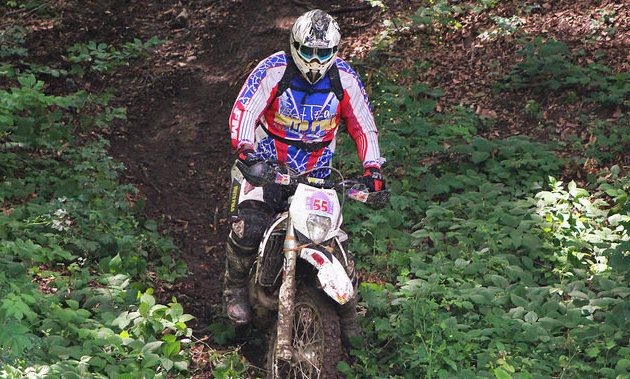
A crash at 10 mph can break a wrist. Gear is your second skin. On dirt, the right kit turns big hits into small bruises.
Essential items:
- Helmet: full-face, DOT/ECE or Snell rated, proper fit.
- Boots: off-road boots with shin and ankle support.
- Knee protection: knee pads or knee braces for ligaments.
- Chest/back: roost guard or CE-level armor for impacts.
- Gloves and goggles: grip, abrasion, dust, and branch defense.
- Neck brace and elbow guards: added layers for high-risk rides.
From my own spills, knee braces saved me twice on rocky climbs. A chest protector cut bruising after a stump check. If you wonder is dirt bike trail ridding safe, start by wearing gear every ride.
Bike setup and maintenance for safer trails
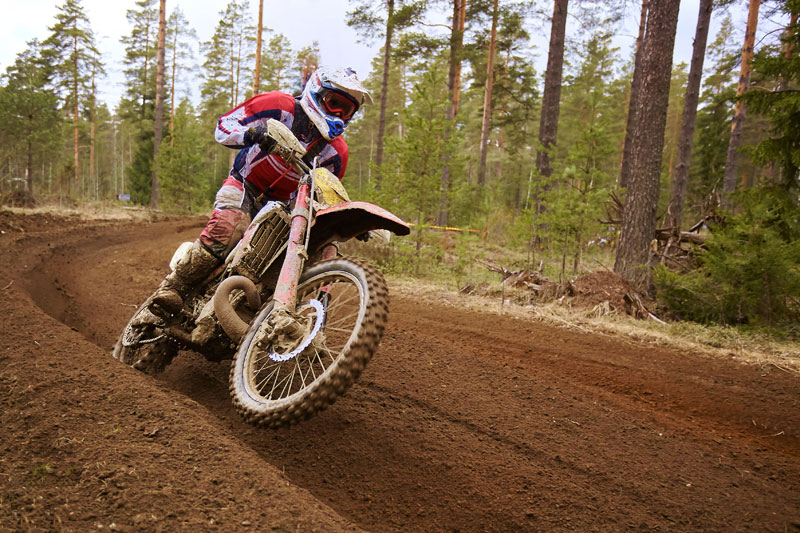
A well-set bike is easier to control. It keeps you upright when the trail gets rough.
Do this before you ride:
- Tires: pick the right tread for your terrain; set pressure for grip.
- Controls: lever reach, free play, and throttle return.
- Suspension: set sag to your weight; adjust clickers for comfort.
- Chain and brakes: clean, lube, correct tension, solid pads.
- Guards: handguards, skid plate, and radiator braces for rocks.
- Spark arrestor: required on many public lands; prevents fires.
A clean, tight bike lets you focus on lines, not problems. Ask again, is dirt bike trail ridding safe? It is safer on a bike that works with you.

Skills and training that reduce crashes
You lower risk with skill. Training cuts errors and smooths your ride.
Core habits to master:
- Vision: look where you want to go; scan far, then near.
- Body position: stand on the pegs; knees in; elbows up.
- Throttle and clutch: smooth drive; slip the clutch on climbs.
- Braking: use both brakes; bias the front on hard pack.
- Cornering: outside peg pressure; eyes up; slow in, fast out.
- Obstacles: lift the front wheel for logs; momentum is your friend.
- Pace: ride at 70–80% effort; keep your brain ahead of the bike.
A half-day with a coach can change everything. I have seen riders cut falls by half after one session. So, is dirt bike trail ridding safe for beginners? With coaching and practice, it gets much safer, fast.
Trail choice, etiquette, and group safety
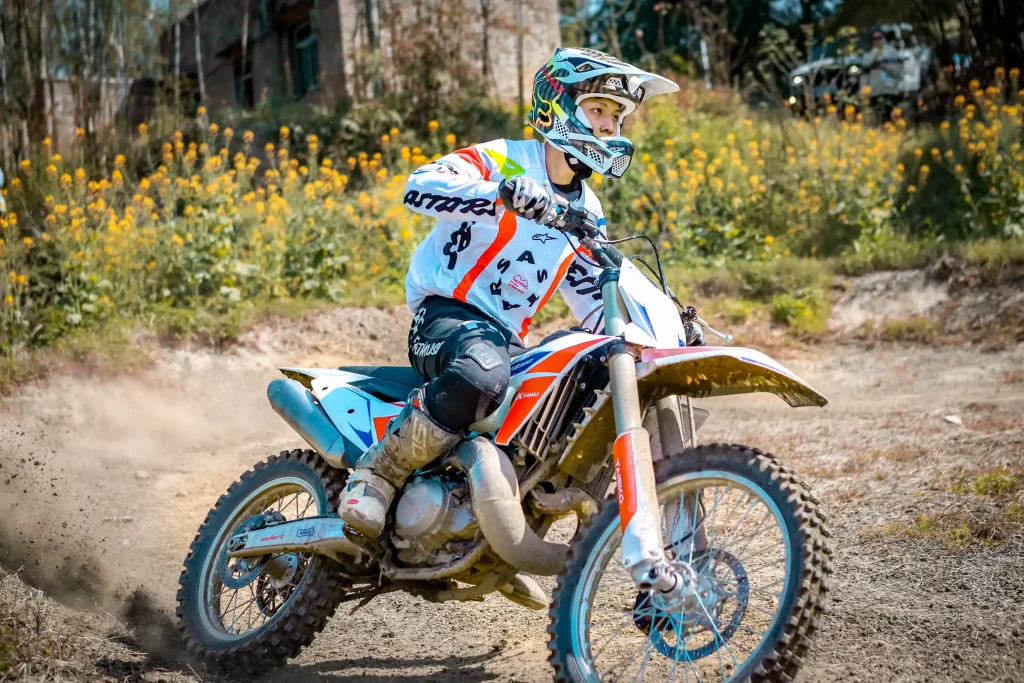
Good etiquette keeps you safe and welcome.
Do this on every ride:
- Match trail to skill. Blue before black. Avoid double-black when tired.
- Ride with a buddy. Share your route. Carry a radio or tracker.
- Yield rules: bikes yield to hikers and horses; downhill yields to uphill.
- Sound and speed: slow near others; pass with space.
- Wildlife and land: stay on trail; avoid soft soil after rain.
Many ask is dirt bike trail ridding safe on busy weekends. It is, when groups space out and call out hazards.

Weather, terrain hazards, and decision-making
Conditions can flip safety fast.
Watch for:
- Heat: hydrate; add electrolytes; ride early or late.
- Cold: layer up; keep hands warm for brake feel.
- Mud: lower tire pressure; be smooth; avoid trail damage.
- Dust: add goggles tear-offs; increase following distance.
- Water crossings: walk it first; cross at a diagonal with steady throttle.
Your decision tree matters most. If you catch yourself asking is dirt bike trail ridding safe today, that is your cue to slow down, change the route, or stop.
Emergency planning and first aid
Prepared riders get home safe.
Bring:
- First aid kit: bandage, gauze, tape, triangle sling, pain meds.
- Tools: tire irons, pump or CO2, plugs, multi-tool, quick links.
- Safety: space blanket, whistle, lighter, headlamp, zip ties.
- Comms: charged phone, offline maps, satellite messenger if remote.
- Info: ID, health card, allergies, and an emergency contact.
In a crash, secure the scene, check airway and bleeding, call for help, and keep the rider warm. You may still ask is dirt bike trail ridding safe in remote zones. It is safer when your plan covers the worst case.
Legal, permits, and insurance basics
Know the rules before you roll.
- Permits: many states require OHV stickers or passes.
- Equipment: spark arrestor, sound limits, and working lights where needed.
- Land access: check open seasons and closures; respect private land.
- Insurance: health coverage matters; consider med-evac for remote rides.
- Waivers: parks or events may require signed forms.
If you ride on public land and wonder is dirt bike trail ridding safe legally, compliance reduces fines, conflict, and risk.
Data, myths, and what the numbers suggest
Emergency departments see off-road trauma, but context matters. Injury rates drop with helmets, boots, and training. Studies in motorsports show head injury odds fall by at least half with certified helmets. Lower speeds on technical trails also reduce severe outcomes.
Common myths:
- “It’s only dangerous at high speed.” Many injuries happen at low speed with poor technique.
- “Gear is optional on mellow trails.” Most falls happen on easy ground due to lapses.
- “Bigger bikes are safer.” Weight can work against you on tight trails.
So, is dirt bike trail ridding safe compared to other action sports? With gear and skill, risk is in the same range as downhill MTB and lower than road traffic riding.
A simple pre-ride safety checklist
Run this five-minute routine before every ride.
- Hydration and snacks packed.
- Route shared with times and waypoints.
- Bike fuel, oil, chain, tires, and brakes checked.
- Helmet, boots, armor, gloves, goggles on.
- Tools, tube or plugs, first aid, and comms loaded.
- Warm-up laps to test controls and vision.
Use this list, and the answer to is dirt bike trail ridding safe shifts in your favor.
For parents: making youth trail riding safer
Kids can ride safe with structure.
- Fit the bike to the rider. Smaller, lighter, and tame power.
- Use full gear every time.
- Set rules for speed, spacing, and stops.
- Start with training in a flat field. Add trails once skills are strong.
- Ride with them and model calm choices.
If your family asks is dirt bike trail ridding safe for kids, the answer is yes with coaching, the right bike, and close oversight.
Frequently Asked Questions of is dirt bike trail ridding safe
Is dirt bike trail riding more dangerous than road riding?
Off-road speeds are lower and traffic is absent, which helps. Terrain risks remain, but gear and training reduce harm.
What is the most important safety gear?
A certified full-face helmet is number one. Boots and knee protection are next because legs take many hits.
Can beginners ride technical single track safely?
Not at first. Start on easy loops, build skills, and move up with a coach or mentor.
How fast is too fast on a trail?
If you cannot stop within your sight line, you are too fast. Keep pace at 70–80% of your limit.
Do neck braces and knee braces really help?
They can lower the chance or severity of certain injuries. Fit and correct use are key to getting the benefit.
How often should I service my bike for safety?
Check basic items before each ride and do full service per the manual. Tight, clean bikes fail less and are safer.
Conclusion
You control most of the risk. Wear real gear, pick the right trail, set up your bike, and train on the basics. Use a checklist, ride with a buddy, and carry a simple rescue plan.
Put these steps into practice on your next ride. Share this guide with your group, ask a coach for one session, and make is dirt bike trail ridding safe more than a question. Subscribe for more step-by-step safety tips and trail-ready checklists.