

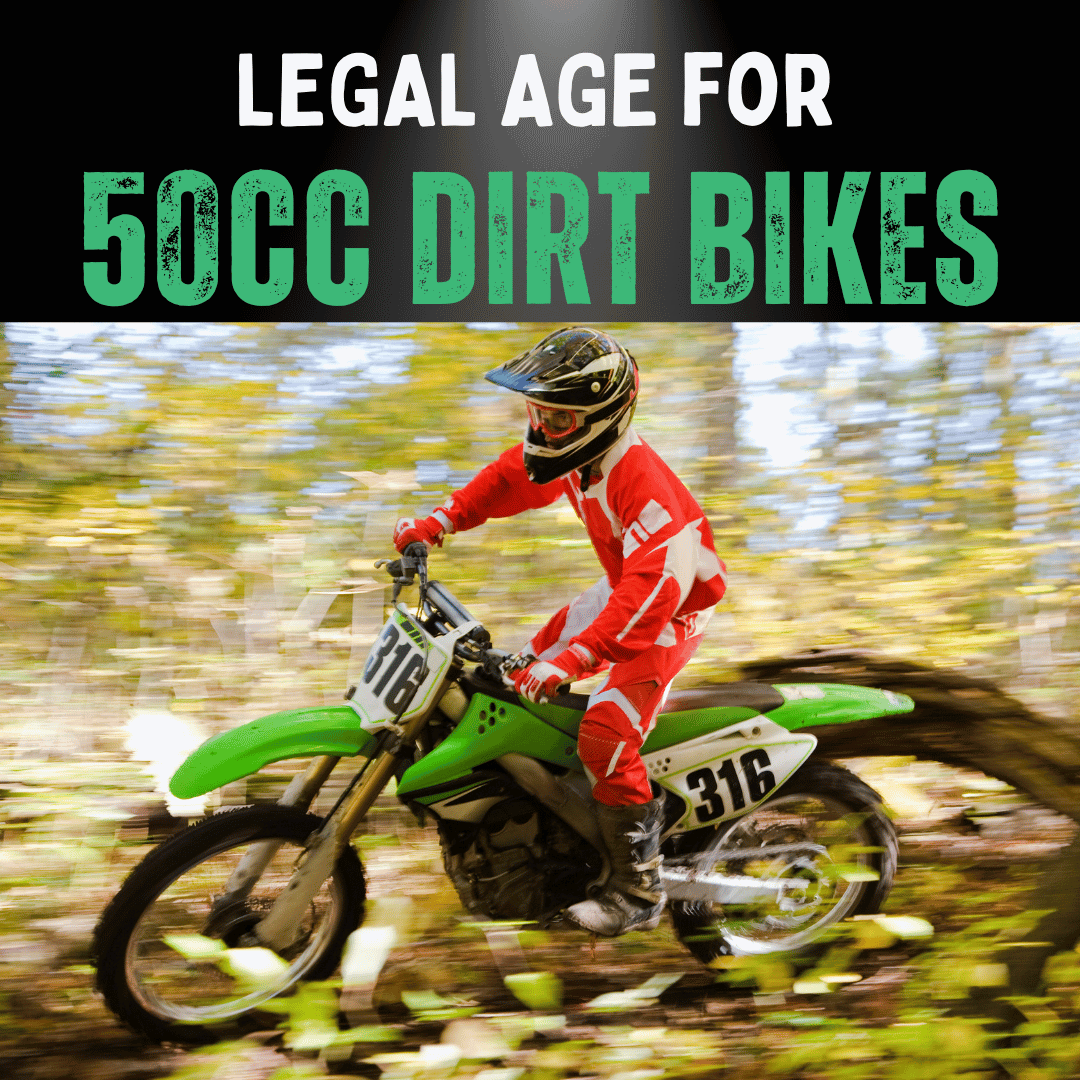
Most kids start off-road riding at 5–7, but legal ages vary by state and land.
If you are asking how old do you have to ride a dirt bike, the real answer depends on where you ride, what you ride, and how prepared the rider is. I coach new riders and parents, and I have seen safe starts at age 4 and solid first rides at 40.
This guide explains how old do you have to ride a dirt bike on public land, on private property, at tracks, and in events. You will get clear rules, bike size advice, gear checklists, and step-by-step tips for every age group.

US rules and laws: public land, private property, and events
There is no single federal age that covers all dirt bike riding. States set their own off-highway vehicle rules, and land managers set local rules.
On private property, many states allow very young riders if a parent grants permission and supervises. On public land, such as state forests and OHV parks, there may be age minimums, training card rules, spark arrestor rules, and sound limits.
Key points you should know:
- State rules vary widely. Some states have no minimum age on public trails. Others require a safety course or a supervising adult for riders under 16 or 18.
- Private property is different. Parents can allow minors to ride on private land, but noise limits, nuisance rules, and liability still matter.
- Tracks and race events set their own classes. Many peewee classes start at 4–6 years old with 50cc bikes and closed-course supervision.
- Safety training is often required or strongly recommended. Many areas accept a recognized dirt bike or OHV safety course for youth.
- Equipment rules exist. Many public areas require a USFS-approved spark arrestor and set a 96 dB sound limit. Night riding may require lights.
- Registration or permits may be needed. Some states require OHV registration or a trail permit, even for youth bikes.
If you wonder how old do you have to ride a dirt bike, the simple rule is this: check your state OHV laws and the rules for the land you plan to use. I keep a printed checklist in my gear bag that lists permits, spark arrestor, sound check, and training cards, and I never show up without them.
Age versus bike size and power: match the rider, not the dream
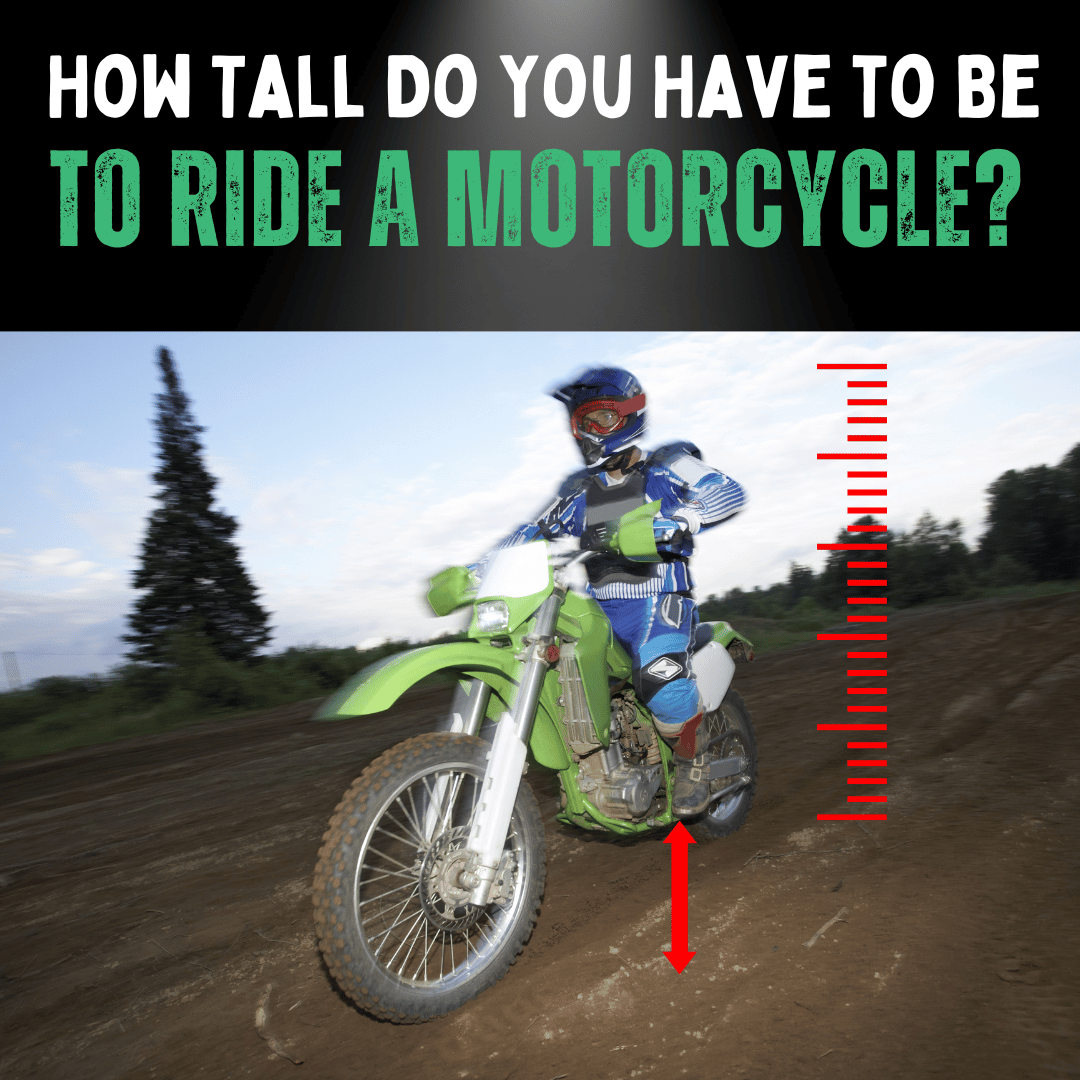
The safest start is not about a birthday. It is about fit. A rider should touch the ground, reach the controls, and manage the weight. Seat height, wheel size, and power matter more than age alone.
Sizing guidelines I use with new riders:
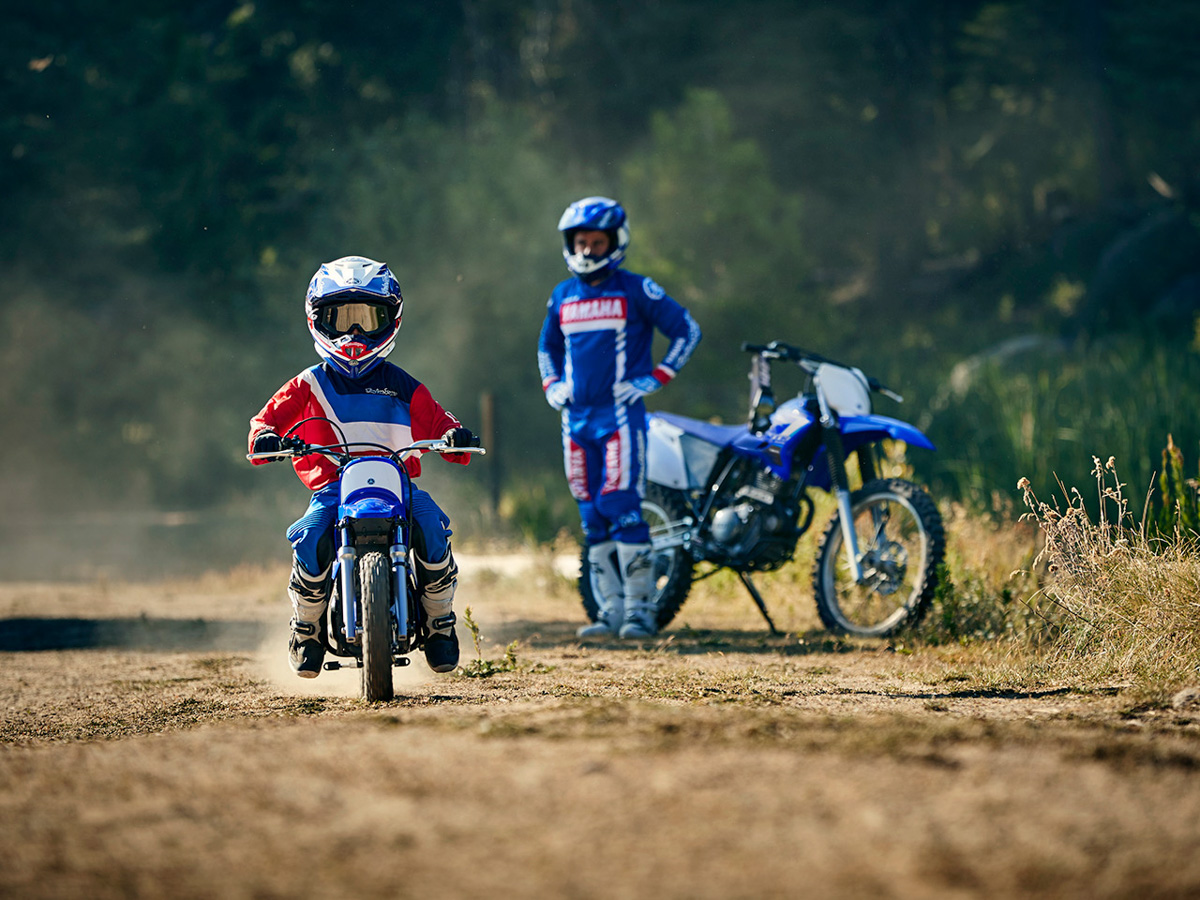
- Toddlers and early starters, 3–6 years old: Small electric balance bikes or 50cc four-strokes with throttle limiters. Seat height around 18–22 inches.
- Young kids, 6–8 years old: 50cc two-stroke or 70–110cc four-stroke trail bikes with auto or semi-auto clutch. Seat height around 22–26 inches.
- Pre-teens, 8–12 years old: 65–85cc two-stroke or 110–125cc four-stroke trail bikes. Seat height 26–34 inches, depending on growth.
- Teens, 13–15 years old: 85–125cc two-stroke or 125–230cc four-stroke trail bikes. Full manual clutch and taller seats.
- Adults and bigger teens: 125–250cc four-stroke trail or enduro bikes. Motocross bikes require more skill and maintenance.
Practical fit checks:
- Heels do not need to be flat, but the rider must dab a foot for balance.
- The rider should cover both levers with two fingers and operate them without strain.
- Power should feel gentle. Use throttle limiters and softer power maps if available.
Parents often ask how old do you have to ride a dirt bike. The wiser question is, “Which bike fits right now?” A well-fitted 50cc at age 7 can be safer than an oversized 125 at age 12.

Readiness checklist: physical, mental, and skill markers
Age is only one piece. Readiness is the better measure. Before any first ride, I go through this simple checklist.
Readiness markers:
- Balance and control: Can the rider coast and stop on a bicycle without help?
- Understanding: Can the rider repeat and explain throttle, brake, and stop rules?
- Attention span: Can the rider follow one-step and two-step directions under mild stress?
- Safety habits: Will the rider stop when told and keep the helmet on without complaint?
- Strength: Can the rider pick up the bike with help and push it a few feet?
Skill progression I use with families:
- Start on a balance bike. Learn body position, eyes up, and braking.
- Move to a small electric dirt bike. Practice throttle roll-on and off-throttle braking.
- Add a 50cc gas bike with a limiter. Practice starts, stops, and figure-eights.
- Introduce the clutch later. Practice slow clutch release on flat ground before hills.
If you ask how old do you have to ride a dirt bike, check this list first. When the list is green, the ride is safe, even if the rider is young. When it is red, wait and train more.
Safety gear and supervision that actually prevent injuries
Good gear beats good luck. Most youth injuries I see come from low-speed falls without the right gear or from riding alone.
Minimum gear for every ride:
- Helmet: DOT or ECE rated, snug fit, no wobble.
- Boots: Off-road boots that cover the shin and support the ankle.
- Gloves: Full-finger with palm grip.
- Goggles: Clear lens for shade, tinted for bright days.
- Body armor: Chest protector or armored jacket, knee and elbow guards.
- Neck support: Optional but useful for small riders.
Supervision tips that work:
- Stay within voice range for youth. Use simple words like “stop,” “slow,” and “feet.”
- Ride in pairs. Even adults should avoid solo rides on remote trails.
- Set a course. Mark a small loop. Add small goals. Keep it fun and short.
- Teach a stop signal. A raised hand means stop, every time.
When parents search how old do you have to ride a dirt bike, I also ask, “How ready are you to supervise?” Your habits set the standard. Wear your gear too.

Insurance, registration, and where you can ride
Many riders skip the paperwork. That can end a day fast. Some places require OHV registration or a day permit. Many parks run sound checks. Nearly all public forests require a spark arrestor.
Important admin steps:
- Registration or permit: Check state OHV rules and the park website before you travel.
- Insurance: Many homeowner policies exclude off-road use. Ask for a specific OHV endorsement.
- Waivers: Tracks and training schools often need a signed waiver for minors.
- Transport: Tie the bike down with two straps per side. Use a ramp with a safety strap.
If you still wonder how old do you have to ride a dirt bike at a park, remember that the gate rules decide. A 6-year-old with the right permit and a parent can pass. A 16-year-old without a spark arrestor can get turned away.
How to start at any age: step-by-step plans
Every age can start well with the right path. I use these simple plans with students and families.
For ages 4–6:
- Use a balance bike, then a small electric or 50cc with a throttle limiter.
- Keep sessions to 15–20 minutes. End on a win, not a crash.
- Ride on flat grass first. Add gentle turns only after smooth stops.
For ages 7–10:
- Start with a 70–110cc four-stroke trail bike or a 50–65cc two-stroke.
- Learn standing position, eyes up, and smooth braking into corners.
- Add small hills and simple trail features with a spotter.
For ages 11–15:
- Move to clutch bikes as size allows. Practice clutch release and rear brake control.
- Learn basic trail skills: line choice, ruts, small logs, and hill starts.
- Join a local training day. Coaching speeds up safe progress.
For ages 16+ and adult beginners:
- Pick a mellow four-stroke trail bike. Avoid full-race motocross bikes at first.
- Take a weekend skills class. It fixes bad habits before they stick.
- Ride with patient friends. Pace, not pride, keeps you riding longer.
If your key question is how old do you have to ride a dirt bike, here is the truth I give every student: you are ready when the plan fits your body, your skill, and your local rules. I learned this with my nephew at age 6. We waited until he could explain the stop drill. He loved the first ride, and he has ridden safely ever since.
Budget basics: gear, bikes, and maintenance
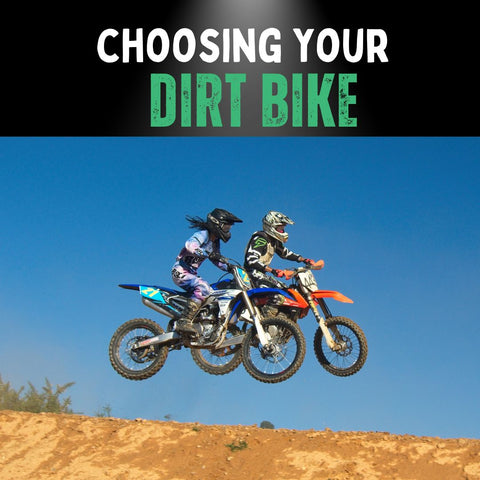
Costs can be simple if you plan ahead. Spend on safety first. Buy a bike that fits now, not for “growing into it.”
What to budget:
- Safety gear: Helmet, boots, goggles, armor, gloves. Expect a few hundred dollars for safe, entry-level gear.
- Bike: New or used entry-level trail bikes can be affordable. Electrics cost more up front but cut fuel and maintenance.
- Essentials: Fuel or charger, stand, tools, chain lube, air filter oil, spare levers.
- Ongoing costs: Filters, tires, brake pads, and event or park fees.
Money-saving tips I use:
- Buy used gear in great shape for fast-growing kids.
- Choose a common model with easy parts and strong resale.
- Maintain the air filter and chain. Small habits save big repairs.
People ask how old do you have to ride a dirt bike because they want a safe start. A smart budget helps make that start smooth and stress-free.

Common mistakes to avoid
These errors cause most early crashes and panic moments. Skip them and you will enjoy the ride.
Mistakes I see often:
- Oversized bikes: Too tall or too powerful leads to tip-overs and fear.
- Skipping the basics: No figure-eights, no brake drills, no clutch practice.
- No gear: “Just a quick ride” is when injuries happen.
- Riding alone: Even a short loop can go wrong fast.
- Ignoring local rules: Permits and sound checks are not optional.
If you still ask how old do you have to ride a dirt bike, also ask, “How will I avoid these mistakes?” This is where safety meets skill.
Frequently Asked Questions of how old do you have to ride a dirt bike
What is the minimum age to ride a dirt bike on private property?
Many states allow young children to ride on private land with parental permission. Supervision and proper gear are still essential.
Can a 5-year-old ride a dirt bike safely?
Yes, if the bike fits, the area is controlled, and an adult supervises. Start with a small electric or 50cc and short, simple sessions.
Do I need a license to ride a dirt bike off-road?
Usually no, but you may need an OHV registration or a park permit. Check local rules before you load the bike.
What size dirt bike is right for a 10-year-old?
Many 10-year-olds fit a 70–110cc four-stroke trail bike with a manageable seat height. Always test fit so the rider can dab a foot and reach the levers.
Are there age limits for racing?
Most tracks offer youth classes starting around 4–6 years old for 50cc bikes. Events set their own rules, so check the series handbook.
What training is recommended for kids?
A recognized dirt bike or OHV safety course boosts skills and confidence. It also helps meet rules in many parks and states.
Can teens ride on public trails without adults?
Some places allow it with a safety certificate or permit, but others require adult supervision. Always confirm with the land manager’s posted rules.
Conclusion
Age is only the headline. Fit, skills, gear, and local rules tell the real story. For anyone asking how old do you have to ride a dirt bike, start with a bike that fits, a checklist that proves readiness, and land rules that you know in advance. Add patient coaching and the right gear, and riding becomes a safe, lifelong joy.
Take one step this week. Pick your fit, read your park rules, and plan a short, safe first ride. Want more? Subscribe for skill drills, bike setup guides, and age-by-age training plans, or leave a question and I will help you map your next step.