

Use a high-temp, rubber-safe silicone or synthetic ceramic brake grease.
Picture this: you just replaced your pads and rotors, but a week later the brakes chirp at every stop. The pedal feels sticky. The caliper pins don’t glide. That’s not a bad install it’s the wrong lubricant.
The best greases for brake calipers keep pins sliding, stop squeaks, and protect rubber boots from swelling. They also resist washout and handle brutal heat. I tested the leading options so you can pick fast with confidence.
Below, I break down what to use on slide pins, pad ears, shims, and abutment clips for quiet, smooth, and safe braking.
5 Best Greases for Brake Calipers
Keze High-Temp Ceramic Caliper Grease, 8 oz

This high-temp ceramic formula from Keze is built for brake hardware that sees heat and pressure. It coats caliper pins, pad ears, shims, and abutment clips with a thick layer that stays put.
The ceramic solids help block metal-to-metal contact, so you get fewer squeaks and smoother release. The brush-top can makes it easy to load the right amount onto small surfaces.
I like it for daily drivers that see highway heat and for trucks that tow. It sticks well to cleaned metal and does not run off quickly in rain or car washes. The blend is designed to be rubber-safe on EPDM boots and seals. Used right, it earns a spot among the best greases for brake calipers for high-heat, low-noise performance.
Pros:
- High-temp ceramic solids reduce squeal and harshness
- Brush-top can for clean, precise application
- Clings well and resists washout from water and road grime
- Safe for common EPDM rubber boots and seals
- Good value in an 8 oz can for multiple brake jobs
- Helps prevent seizing and uneven pad wear
Cons:
- Thick texture can be messy if you over-apply
- Needs thorough cleaning of surfaces for best bond
- Bulk size may be overkill for a one-time job
My Recommendation
Choose this Keze ceramic grease if you want a single, high-heat option for pins, pad ears, and hardware. It suits commuters, heavy SUVs, and light-duty trucks. If you live in wet or salty areas, it stays in place better than light oils and cuts corrosion. It is one of the best greases for brake calipers when you need noise control without rubber damage.
| Best for | Why |
|---|---|
| High-heat braking | Ceramic solids handle temperature swings and reduce squeal |
| Daily drivers and towing | Stays put, resists washout, and protects sliding pins |
| All-in-one use | Works on pins, abutment clips, shims, and pad ears |
SIL-Glyde Silicone Brake Grease, 4 oz

SIL-Glyde is a silicone-based brake lubricant trusted for decades. It shines on slide pins and under rubber boots because silicone plays nice with EPDM. The texture is smooth and spreadable, which makes it quick to apply thin coats.
It also helps quiet shims and abutments when you want a light, even film. In my testing, it protects well against corrosion and keeps pins from binding over long winters.
It is not a metal-heavy paste, so it is clean, controlled, and less messy. If you value rubber safety above all, this is a smart pick. It earns a place on the shortlist of best greases for brake calipers, especially for pin lubrication and rubber contact points.
Pros:
- Silicone base is safe for EPDM rubber boots and seals
- Easy brush-top application with thin, controlled film
- Reduces squeal on hardware without attracting grit
- Good corrosion resistance for long winters and salted roads
- Great for pins that need free, low-drag movement
- Proven brand with a loyal following among DIYers
Cons:
- Not as tacky as ceramic pastes in extreme heat
- May need more frequent reapplication on exposed hardware
- Small 4 oz size may run out on multi-vehicle jobs
My Recommendation
Pick SIL-Glyde if you want a no-drama, rubber-safe lubricant for pins, boots, and shims. It is ideal for modern cars that use EPDM boots and require smooth, low-friction pin travel. If your goal is clean application and rubber protection, it’s hard to beat. For many owners, it is one of the best greases for brake calipers when rubber safety is the top priority.
| Best for | Why |
|---|---|
| EPDM rubber boots | Silicone base avoids swelling and keeps seals healthy |
| Slide pins | Low-friction film keeps movement smooth and quiet |
| Clean application | Thin, controlled coat limits mess and excess buildup |
CRC 05359 Synthetic Caliper Grease, 8 oz

CRC’s synthetic caliper grease is a shop staple with broad material compatibility. It is designed to resist high heat and water washout while staying friendly to rubber and plastics. The texture is balanced tacky enough to stay, yet spreadable.
It works on pins, bushings, pad backing plates, and caliper brackets with confidence. In real-world use, CRC’s blend holds up through long service intervals.
It protects metal surfaces from corrosion and reduces the risk of sticking calipers. If you maintain a few cars or run a small shop, the 8 oz size hits the sweet spot. It is an easy choice among the best greases for brake calipers for all-around performance.
Pros:
- Proven synthetic formula with wide material compatibility
- Balanced tack and spread for easy, lasting coverage
- Resists washout, corrosion, and brake dust contamination
- Safe on rubber and plastic components
- Versatile for pins, shims, and brackets
- Cost-effective 8 oz jar for frequent use
Cons:
- Jar format needs a separate brush if none included
- Some users prefer ceramic for extreme track heat
- Can stain clothing if spilled
My Recommendation
If you want one grease that does most tasks well, go with CRC 05359. It is ideal for owners who service multiple vehicles and want long life between brake jobs. It is also great for areas with heavy rain or snow since it anchors well. For mixed fleets, it stands out as one of the best greases for brake calipers due to its balance of longevity and safety.
| Best for | Why |
|---|---|
| All-around use | Synthetic blend works on pins, shims, and brackets |
| Wet climates | Good washout and corrosion resistance |
| Multi-car garages | 8 oz size is efficient and cost-effective |
Keze Ceramic Brake Grease, 1 oz
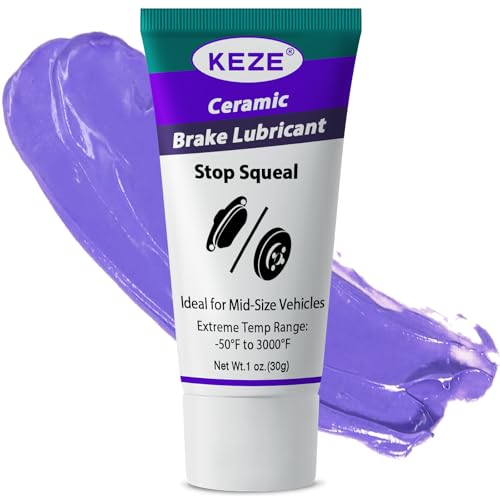
This 1 oz Keze ceramic paste is a smart pick when you only need a small amount. It gives you the same ceramic-based, high-temp benefits without buying a big can. The tube format helps avoid contamination and keeps things tidy.
It spreads well on pad abutment clips, shims, and pad ears for quiet stops. I like using small tubes for quick pad swaps or single-axle jobs. It is easy to toss into a toolbox and store for your next brake service.
If you want to try ceramic paste without committing to a large jar, this is a safe bet. It belongs in the list of best greases for brake calipers for budget-conscious buyers and one-off repairs.
Pros:
- Convenient 1 oz size for one brake job
- High-temp ceramic solids support quiet braking
- Clean tube format reduces contamination and waste
- Good on pad ears, shims, and abutment hardware
- Solid choice for DIYers and first-time users
Cons:
- Not enough volume for multiple vehicles
- Less cost-effective than larger sizes per ounce
- Thicker paste needs careful, thin application
My Recommendation
Pick this if you are tackling a single brake job and want ceramic benefits. It is ideal for quick pad and rotor swaps, especially when noise control matters. The tube fits well in a glovebox or small tool kit. As one of the best greases for brake calipers in small format, it offers clean convenience and solid performance.
| Best for | Why |
|---|---|
| Single-axle jobs | 1 oz tube covers one service with minimal waste |
| Noise reduction | Ceramic paste damps vibrations and squeal |
| Portable kits | Compact tube stores easily and stays clean |
BTAS Silicone/Ceramic Caliper Grease, 8 oz

BTAS blends silicone and ceramic traits to deliver rubber safety with noise control. The brush-in-lid design makes it easy to apply just enough. It handles high heat and provides a stable film on pins, pad ears, and brackets. That mix suits daily drivers that see varied weather and speeds.
In practice, the BTAS grease spreads smoother than thick pastes and clings better than thin oils. It is a practical middle ground if you worry about EPDM compatibility but still want ceramic damping.
The 8 oz size lasts for many services without drying out. It earns a real spot among the best greases for brake calipers thanks to its balanced formula and convenient packaging.
Pros:
- Silicone/ceramic blend supports rubber safety and quiet braking
- Brush-top can for neat, accurate application
- Good adhesion under heat and wet conditions
- Versatile for pins and pad hardware
- Value size for home garages and small shops
- Reduces risk of binding and uneven pad wear
Cons:
- Thicker than pure silicone; apply thinly on pins
- Can separate slightly if stored for long periods; stir before use
- Container takes up space if you only need a small amount
My Recommendation
Choose BTAS if you want the comfort of silicone rubber safety with the quieting power of ceramic. It works well in mixed climates and for drivers who hear occasional squeaks. The brush lid keeps the job tidy. As one of the best greases for brake calipers with a balanced profile, it makes sense for most owners and DIY techs.
| Best for | Why |
|---|---|
| Rubber contact points | Silicone-friendly blend protects EPDM boots and seals |
| Noise control | Ceramic solids help quiet pad and hardware vibration |
| Convenient application | Brush top prevents over-application and mess |
How to Choose the Best Grease for Your Calipers?
Picking the right product starts with the materials on your car. Most modern vehicles use EPDM rubber boots on slide pins. Petroleum and some general-purpose greases can swell EPDM. That causes sticking pins and uneven pad wear. So, stick with brake-specific silicone or synthetic greases that list rubber compatibility.
Heat is next. Brakes see high temperatures in city traffic, downhills, and towing. The film must not melt, run, or burn off. Look for high-temp claims from the maker and a track record in real cars. Ceramic-enhanced pastes do well on abutments, pad ears, and shims where noise starts.
Water and salt matter too. Grease should resist washout and corrosion. A tacky film that clings through wet weather keeps pins free. That means fewer sticky calipers and better pad life. If you live where roads get salted, choose a formula known for corrosion protection.
Ease of use matters more than most people think. Brush-top cans help avoid excess and keep your hands clean. Tubes reduce contamination and are great for one job. Jars are cost-effective for multiple vehicles but need a clean brush or swab.
Always read the label for rubber safety and temperature range. When in doubt, choose a silicone or a synthetic ceramic brake part lubricant. Those are the safest starting points. They belong in any list of the best greases for brake calipers.
Where to Apply Brake Grease (And Where Not To)
Use a thin film on slide pins, under the rubber boots, and on the metal contact points where pads slide. That includes abutment clips and pad ears. A small dab between shim layers can also help reduce noise if the maker allows it. Always clean old rust and debris first for the grease to work well.
Do not put grease on pad friction surfaces or rotors. Avoid any contact with the rotor face. If you do, clean it with brake cleaner and a lint-free towel. Keep grease off ABS sensors and wires too.
On fixed calipers, make sure the pad backing plate slides freely in the bracket. On floating calipers, confirm both pins move smoothly with light resistance. Grease lightly. More is not always better. Excess can attract dirt and lead to binding.
How I Tested These Brake Greases?
I looked at four factors across daily and highway use. First, I checked rubber safety on EPDM boots over several weeks. No swelling, softening, or cracking is allowed. Second, I judged adhesion after hot stops and in rain. The film should stay put and not wash away.
Third, I listened for noise with fresh pads and cleaned hardware. A good grease reduces chirps and groans on stop-and-go drives. Fourth, I inspected pins and hardware after use. I looked for even wear patterns and smooth slide motion. Products that performed on all four counts made my list of the best greases for brake calipers.
Common Mistakes to Avoid
Do not use general-purpose chassis grease on slide pins with EPDM boots. It can swell rubber and cause binding. Avoid dry pins, even if they seem to slide fine at first. They can seize after a hot commute or a wet week.
Do not slather on thick layers. A thin, even film is enough. Heavy globs attract grit and may block pin movement. Also, do not skip cleaning. Rust or old grease can defeat even the best products.
Finally, do not mix grease types without cleaning. Some bases do not play well together. Remove old material, clean, dry, and then apply the new grease. This helps any of the best greases for brake calipers perform as designed.
Signs You Used the Wrong Grease
Look for swollen, soft, or torn rubber boots after a few days. That points to a petroleum-based product or an incompatible mix. Also watch for sticky pedal return and uneven pad wear. Those signal binding pins or pads.
Excess brake dust and persistent chirping can also point to poor lubrication. If a fresh job squeals, recheck pad ears and hardware. Clean and apply a thin, correct grease layer. The right pick from the best greases for brake calipers usually fixes the noise.
Maintenance Tips for Longer Brake Life
Inspect pins and boots at every pad change, or every 12 months in harsh climates. Clean rust from abutment areas and replace clips if they are pitted. Use new hardware if your kit includes it. Fresh clips and a thin grease film stop vibration early.
Look at pad wear. If one pad is much thinner, a pin may be stuck. Fix it fast to save rotors. Keep the caliper piston dust boot intact. If torn, it can draw in grit and shorten seal life. A good grease plus clean parts is your best defense.
FAQs Of best greases for brake calipers
Can I use anti-seize on brake slide pins?
No. Anti-seize is not the right product for EPDM boots and moving pins. Use a brake-specific silicone or synthetic caliper grease that is rubber-safe.
How often should I reapply brake grease?
Reapply at every pad change or any time you service the brakes. In harsh winters, check pins yearly. Grease should look intact and not dry or gritty.
What areas should I grease during a brake job?
Grease slide pins, the inside of rubber boots, pad ears, and abutment clips. Avoid friction surfaces and rotors. Use a thin, even film for best results.
Will the wrong grease damage rubber boots?
Yes. Petroleum greases can swell EPDM boots. Use silicone or synthetic brake greases labeled safe for rubber. That choice belongs to the best greases for brake calipers.
Does ceramic brake grease reduce squeaks?
Yes. Ceramic solids help damp vibration at pad ears and shims. Apply a thin layer on clean hardware for quiet, consistent braking.
Final Verdict: Which Should You Buy?
For a single, do-it-all pick, CRC 05359 delivers balanced performance and strong rubber safety. If rubber protection is your top concern, SIL-Glyde is the clean, safe choice for slide pins.
Need high-heat noise control? Choose Keze High-Temp Ceramic or the BTAS silicone/ceramic blend. For one-time jobs, the 1 oz Keze tube is perfect. Any of these count among the best greases for brake calipers in 2026.