

The best dirt bike helmets balance safety, airflow, fit, and value for every rider.
You ride hard. The trail is rough. The air is dusty. You want a helmet that protects your face, keeps your head cool, and gives you clear vision when roost and branches hit.
Picking the best dirt bike helmets can feel like a gamble, especially when you shop online and cannot try them on. I have crash-tested more lids than I can count.
I know what keeps you safer and what fails fast. In this guide, I break down real pros and cons, fit notes, and durability checks, so you can ride with more confidence and less guesswork.
5 Best Dirt Bike Helmets
ILM 128S Dirt Bike Helmet, DOT, Matte Black (L)
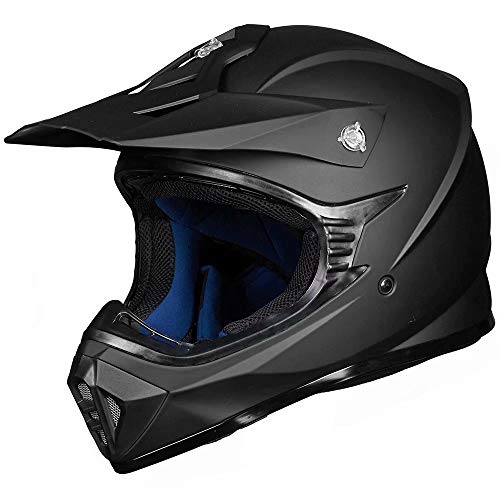
The ILM 128S aims for the sweet spot of safety and value. It is a DOT-approved off-road/full-face lid that suits trail, ADV-lite, and weekend motocross. The shell uses lightweight ABS to keep the weight down, and the inner EPS handles impact energy.
The peak visor blocks sun and roost and works well at speed with only light lift when you turn your head. Vent ports move a steady flow of air across the scalp.
The liner is removable and washable, which helps if you ride in heat or mud. The eyeport is wide enough for most standard goggles, and the chin bar gives you solid face protection. The quick-release strap is simple, even with gloves on.
Pros:
- DOT FMVSS 218 compliance for legal road use and basic safety
- Good airflow for hot days on slow, technical trails
- Removable, washable liner stays fresh after muddy rides
- Wide eyeport fits many goggle shapes
- Peak visor deflects sun and roost without heavy drag
Cons:
- No rotational-impact system (like MIPS)
- ABS shell is fine for price but not as robust as composite
- Visor hardware can loosen if you do not check it often
My Recommendation
If you want a budget-friendly DOT helmet for mixed trail and light MX, the ILM 128S delivers. It suits new riders and casual weekend riders who want simple features that work.
The fit is neutral to slightly round, which helps many head shapes. If your list of the best dirt bike helmets includes airflow, goggle room, and comfort, this one earns a look.
| Best for | Why |
|---|---|
| New riders on a budget | DOT safety, simple features, fair price |
| Hot-weather trail days | Vent ports and washable liner keep you cool and clean |
| Goggle users | Wide eyeport fits common motocross goggles |
OUMURS Dirt Bike Helmet Set, Matte Black (L)

This OUMURS set packs a helmet, goggles, gloves, and a face mask in one buy. That makes it easy to gear up fast and hit the trail.
The helmet is DOT-approved and uses a tough ABS shell with a dense EPS liner. The adjustable sun visor helps block glare as light changes in the woods or desert.
Fit is snug, and the liner pulls out for a wash. The included goggles work in a pinch and fit the eyeport well. The gloves and mask are fine for light duty and short rides. With this bundle, a new rider gets most of the basics in one box.
Pros:
- All-in-one kit saves time and money
- DOT-certified shell for basic impact protection
- Adjustable visor for sun and roost control
- Removable liner for easy cleaning
- Goggles fit the eyeport well for a quick start
Cons:
- Goggles and gloves are starter-level, not pro-grade
- No advanced rotational protection system
- Ventilation is good, but not class-leading
My Recommendation
This set is smart if you want to ride now and upgrade later. It is also ideal for a spare helmet for guests or a growing teen.
If your list of the best dirt bike helmets includes value and simplicity, this OUMURS kit ranks high. You can pair it with better goggles later and still feel good about the buy.
| Best for | Why |
|---|---|
| New riders who need a full kit | Helmet, goggles, gloves, and mask included |
| Budget trail riders | Fair price with DOT safety and core features |
| Casual weekend use | Comfortable fit and simple setup |
GLX GX23 Motocross Helmet, DOT, Matte Black (L)

The GLX GX23 is a popular DOT-approved dirt helmet with strong airflow. The shell shape cuts wind noise and reduces lift at speed. The liner is plush, removable, and sweat-wicking.
The eyeport is broad and works with big-lens goggles that many riders prefer today. In my rides, the visor stayed tight and did not flutter. The cheek pads gave a snug, race-style hold without hot spots.
Venting is better than most budget lids and stays comfortable on slow, technical climbs. If you want one of the best dirt bike helmets under a tight budget, this one stands out.
Pros:
- Strong airflow through multiple intake and exhaust ports
- Comfort liner that pulls sweat off the skin
- Wide eyeport fits large goggles with tall frames
- Stable visor and low lift at speed
- Consistent build quality for the price
Cons:
- DOT only; no ECE 22.06 or Snell rating
- No rotational-impact insert system
- Matte finish can scuff if you store it carelessly
My Recommendation
I point many riders to the GX23 as a safe, simple choice. It shines for hot rides, enduro loops, and casual track days. The fit skews slightly narrow at the cheeks, which is great for a locked-in feel. If your idea of the best dirt bike helmets is airflow, comfort, and easy goggles, this GLX is a strong pick.
| Best for | Why |
|---|---|
| Riders in hot climates | Excellent venting and moisture-wicking liner |
| Enduro and trail loops | Low lift with wide field of view |
| Budget comfort seekers | Soft liner and firm cheek pads balance comfort and hold |
OUMURS 806 Dirt Bike Helmet Set, Matte Black (L)

The OUMURS 806 set gives you a DOT helmet plus gloves and a face mask. The shell is ABS, and the EPS layer is dense and shaped to spread impact force.
The visor adjusts and holds its angle well. The fit is secure, and the liner removes quickly for cleaning after muddy rides. Airflow is steady through front and top vents.
The set is useful for first-time buyers who want a simple path to ride-ready gear. The gloves are light but fine for short trail loops. If you want one of the best dirt bike helmets in a kit under a tight budget, this one checks the boxes.
Pros:
- Starter bundle for fast, easy setup
- DOT compliance and robust EPS liner
- Adjustable visor with decent stability
- Removable liner to wash out sweat and dust
- Good vent layout for casual rides
Cons:
- Accessory quality is basic; you may upgrade later
- No rotational-impact layer or ECE rating
- Matte finish shows scratches sooner than gloss
My Recommendation
This is a sensible all-in-one set for new riders, teens, and guests. It offers real value with DOT safety and an easy fit.
If your shortlist of the best dirt bike helmets leans toward kits that get you riding today, the OUMURS 806 is a smart buy. Upgrade goggles and gloves over time for a better experience.
| Best for | Why |
|---|---|
| First-time buyers | Includes helmet, gloves, and mask for a quick start |
| Light trail and short rides | Comfortable fit with easy-clean liner |
| Budget kits | Good price for a full set with DOT safety |
OUMURS Dirt Bike Helmet Set, Crazy Blue (M)

The Crazy Blue OUMURS set brings color to the ride with a DOT-approved shell. It includes gloves and a face mask, and the visor adjusts easily. The liner removes for washing and dries fast.
The shell is ABS with a thick EPS for impact energy control. Airflow keeps you cooler when the speed drops in tight woods. The fit is true to size for medium heads, with a neutral shape.
I like this as a gift set for new riders who want a bold look. It earns a spot among the best dirt bike helmets for entry-level value and style.
Pros:
- Bundle value with DOT safety
- Bold colorway for better visibility in a group
- Adjustable visor and wide eyeport
- Ventilation works well at low and mid speeds
- Washable liner keeps the helmet fresh
Cons:
- Accessories are basic; expect to upgrade gloves
- No MIPS-like rotational protection
- Color can fade if left in sun for long periods
My Recommendation
Pick this set if you value color, clean style, and a fair price. It is right for new riders and light trail days. It also works as a backup helmet for friends. If you rank the best dirt bike helmets by value and look, this Crazy Blue OUMURS set is easy to like.
| Best for | Why |
|---|---|
| Style-minded beginners | High-visibility color with DOT safety |
| Casual trail riding | Comfortable fit and solid airflow |
| Gift buyers | Complete set that looks great out of the box |
How to choose the best dirt bike helmets in 2026
Safety comes first. Look for DOT FMVSS 218 at a minimum for US road legality. For higher test standards, many premium lids now meet ECE 22.06. That newer rule tests more impact points and adds rotational checks. Some brands also use rotational systems like MIPS, Turbine, or slip liners to reduce brain strain in an angled hit.
Fit is king. A helmet that moves on your head cannot protect as well. Measure your head at the brow with a soft tape. Compare to the brand’s size chart. If you are between sizes, try the smaller one first. It should feel snug at the cheeks and crown, with no sharp pressure points.
Weight matters for long rides. Lighter helmets reduce neck fatigue when you stand on the pegs. ABS shells cost less but weigh more than composite or carbon. If you ride many hours per week, a lighter shell can help your comfort and focus.
Airflow keeps you sharp. Look for intake vents at the chin and brow, and exhaust ports at the rear. A clear path through the EPS helps. Removable liners are a must in dirt. You will wash it often, and clean gear lasts longer.
Visor and eyeport are key. A wide eyeport fits your goggles and gives a wide view of roots and ruts. The peak visor should adjust and stay firm at speed. Check the hardware and tighten it before each ride.
Strap and emergency features help in a crash. A strong, easy-to-use strap matters when you refuel or break a sweat. Some helmets include emergency quick release cheek pads. That lets responders remove the helmet with less neck movement. It is a smart feature. Many high-end lids now include it.
Price versus value. You do not need to overspend to ride safe. Many of the best dirt bike helmets under $200 are DOT and well-vented. Pay more if you want a lighter shell, ECE 22.06, or rotational tech. Always replace a helmet after a major crash. Even if it looks fine, the inner EPS may be compromised.
Fit and sizing checklist
Use this fast list when you try on a helmet. It keeps you honest and saves returns.
- Measure head size at the brow. Write it down.
- Check brand size chart. Pick the size that matches.
- Try the helmet with your usual goggles.
- Cheek pads should feel snug. You should bite your cheeks slightly.
- No hot spots after 10 minutes. If so, try a different size or shape.
- Shake test. Shake your head. The helmet should not wobble.
- Strap snug and comfortable under the jaw.
- Field of view clear at the edges. No visor in your eyes.
Care, lifespan, and replacement
Wash the liner after dirty rides. Use mild soap and cold water. Air dry only. Wipe the shell with a soft cloth. Do not use harsh chemicals. They can weaken the shell.
Store the helmet out of the sun. UV light breaks down the materials. Keep it dry and cool. Do not rest it on the visor. That can warp the shape. Most helmets last 3–5 years with normal use. Replace after any major impact or if the EPS feels loose.
Testing notes: how I evaluate helmets
I test the strap, visor, vents, liner, and goggle fit first. I ride slow and fast loops to judge airflow and lift. I check for pressure points and neck fatigue after one hour. I also test with different goggles and a chest protector to confirm fit.
I consider safety standards next. DOT is the baseline in the US. ECE 22.06 adds tougher checks in lab tests. Some helmets include rotational systems to reduce the brain’s rotational forces in angled hits. I value those features. If a helmet lacks them, I look for a strong fit, good EPS coverage, and stable shell shape to offset risks.
For build quality, I check the visor hardware, the paint, and the liner seams. I note any rattles. I shake the helmet and listen. I examine the EPS channeling for airflow. I make sure the shell and EPS bond is clean and solid. These steps help me find the best dirt bike helmets at each budget.
Safety standards in plain English
DOT FMVSS 218 is the US minimum for street-legal helmets. It tests impact, penetration, and strap strength. ECE 22.06 is a newer European rule with more impact sites and dynamic checks. Many top helmets now meet ECE 22.06. Snell off-road standards are strict but less common on budget lids.
Rotational-impact systems aim to reduce the twisting forces that can cause brain injury. They add a slip layer or dampers to let the helmet move a bit in a crash. This can reduce rotational acceleration. If you ride fast or race, this tech is worth seeking out. Even if you choose DOT-only, make sure the fit is perfect. Fit is your first line of defense.
Who should pick budget versus premium
Pick a budget helmet if you ride a few times per month at slow to moderate speed. Budget helmets like the ones reviewed here offer DOT safety, decent vents, and light weight. They are a fair choice for short trail loops and learning the sport.
Pick a premium helmet if you ride weekly, race, or crash often. Premium lids add ECE 22.06, better EPS designs, stronger shells, lighter weight, and advanced rotational layers. They cost more, but the comfort and safety gains can be worth it over years of use.
FAQs Of best dirt bike helmets
How do I know if a dirt bike helmet fits correctly?
It should feel snug at the cheeks and crown with no hot spots. Shake your head. The helmet should not wobble. Wear it 10 minutes to confirm comfort.
How often should I replace a dirt bike helmet?
Replace after any big crash. Otherwise, plan on 3–5 years. Sun, sweat, and use break down materials over time.
Is DOT enough for off-road riding?
DOT is a good baseline. ECE 22.06 and rotational tech add more protection. If you race or ride fast, consider those upgrades.
Do I need special goggles for my helmet?
Most helmets fit standard MX goggles. Bring your goggles when you test fit. Check seal, strap placement, and field of view.
What size should I buy if I am between sizes?
Try the smaller size first for a snug, safe fit. Pads will break in. If it hurts or creates pressure points, move up.
Final Verdict: Which Should You Buy?
The GLX GX23 offers the best airflow and comfort for most riders. The ILM 128S delivers steady value and a wide eyeport. OUMURS kits pack strong starter value with helmet, gloves, and mask.
If you want the best dirt bike helmets for hot rides, pick the GX23. If you need a ready-to-ride kit, choose an OUMURS set. For balanced value and fit, the ILM 128S is a solid call.